

TRAINING 15: BEST POLISHING COMPOUNDS, PASTES AND MATERIALS FOR GOLD VS SILVER JEWELLERY

INTRODUCTION TO JEWELLERY MAKING GUIDE

Welcome to this jewellery making course focused on selecting the most effective polishing compounds and materials for gold and silver jewellery. Although polishing techniques may seem similar at first glance, silver and gold behave very differently due to their hardness, oxidation tendencies and surface sensitivity. Understanding these differences will help you avoid common issues such as scratches, uneven shine or dull finishes — and achieve professional results.

Jewellery Course Objectives:

  • Learn the most commonly used polishing compounds and materials

  • Understand key differences between polishing silver and gold

  • Choose the right products for satin, shine and high-polish finishes

MODULE 1: KEY DIFFERENCES BETWEEN SILVER AND GOLD

Sterling silver jewellery characteristics

  • Sterling silver (925) is relatively soft and oxidizes easily

  • Requires gentle compounds and careful heat control

  • Often needs multiple polishing stages for a flawless finish

Gold jewellery characteristics

  • Gold 585 (14K) resist oxidation but vary in hardness by colour

  • Higher karat gold is softer and easier to polish, yet scratches faster

  • Compound selection depends on precious metal alloy type and desired finish

Conclusion:
While polishing principles are similar, sterling silver and gold require different pressure, materials and compounds for optimal results.

MODULE 2: MOST EFFECTIVE POLISHING COMPOUNDS FOR JEWELLERS

Common colour-coded compounds:

  • Red (Rouge): final high-polish for gold and sterling silver

  • Green: ideal for silver, white gold and platinum

  • White: medium-cut compound for surface preparation

  • Brown (Tripoli): aggressive compound for early stages

Best practice tips:

  • Apply small amounts of compound

  • Clean jewelry polishing wheels regularly

  • Never mix compounds on the same wheel

MODULE 3: POLISHING MATERIALS AND JEWELRY POLISHING WHEELS

Polishing wheels:

  • Cotton/Muslin: final shine

  • Felt: controlled cutting and mid-stage polishing

  • Sisal: heavy cutting (advanced use)

Rotary tool accessories:

  • Rubber polishers for precision work

  • Small felt and cotton wheels for details

Silver vs Gold:

  • Silver prefers softer wheels and lighter pressure

  • Gold tolerates firmer wheels but requires temperature control

MODULE 4: PRACTICAL POLISHING TECHNIQUES

Polishing silver jewellery:

  1. Pre-sanding (600–1200 grit or rubber polishers)

  2. Medium polish (felt + white compound)

  3. Final polish (cotton + green or red compound)

Polishing gold jewellery:

  1. Scratch removal if needed

  2. Medium polish (felt + white or Tripoli compound)

  3. Final polish (cotton + red rouge)

  4. Optional rhodium plating for white gold

Common polishing mistakes:

  • Overheating

  • Mixing compounds

  • Skipping cleaning between stages

SUMMARY OF JEWELLERY COURSE

Silver:

  • Medium + final polishing stages

  • Gentle pressure, frequent cleaning

Gold:

  • Tripoli + rouge combination

  • Alloy-specific approach (especially white gold)

Best practices:

  • Work step by step

  • Use separate wheels for each compound

  • Control pressure and heat

With time and practice, selecting the right polishing compounds and materials will become intuitive. Mastery of polishing is one of the most valuable skills in professional jewellery making. Discover how the right polishing techniques and materials can elevate your jewellery from good to exceptional and help you build confidence as a jewellery maker.

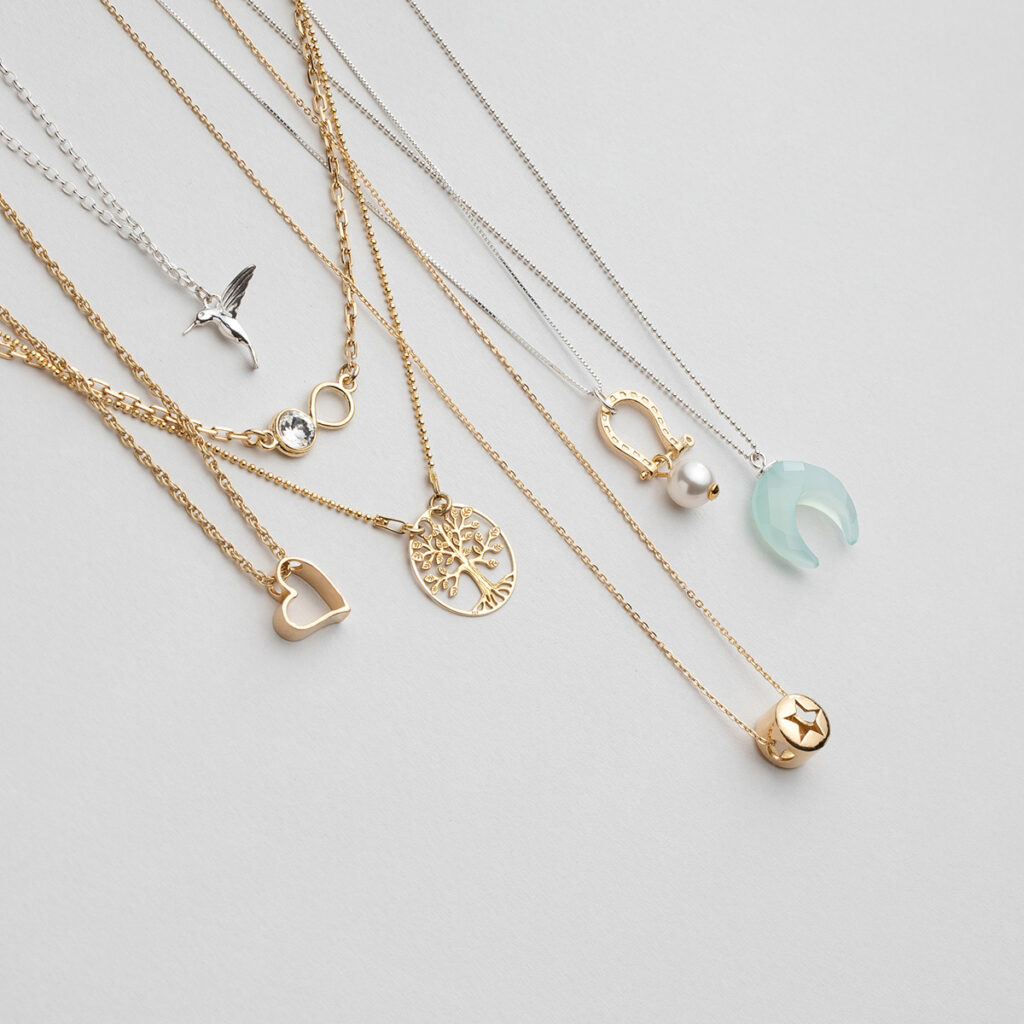
To save time and work more efficiently, shop professional jewellery making supplies at 925CRAFT and focus on creating refined, high-quality designs that stand out. If you want to speed up your workflow, explore ready-made jewellery making supplies collection which includes chains, earring bases, stone settings, wires, gemstones, pearls and other jewellery supplies that will help you to create good quality stunning jewellery.


Stay up to date


Do you have any questions? Leave them in the comments below and we’ll be happy to help!