
JEWELRY TRAINING 9: ESSENTIAL PPE FOR JEWELLERS – SAFETY EQUIPMENT FOR WORKING WITH PRECIOUS METALS
INTRODUCTION TO THE JEWELLERY MAKING COURSE
Contents
- 1. INTRODUCTION TO THE JEWELLERY MAKING COURSE
- 2. MODULE 1: WHY PPE IS CRUCIAL IN JEWELLERY MAKING
- 3. MODULE 2: FACE AND EYE PROTECTION
- 4. Safety Glasses
- 5. MODULE 3: RESPIRATORY PROTECTION
- 6. MODULE 4: HAND PROTECTION & ADDITIONAL SAFETY MEASURES
- 7. TRAINING SUMMARY
- 8. Want to know more?
- 9. Stay up to date
Welcome to this training dedicated to Personal Protective Equipment (PPE) for jewellers, essential when working with precious metals such as gold, silver, and platinum. Safety in jewellery making is a top priority—using the right protective equipment helps prevent serious injuries, skin irritation, and long-term serious health issues caused by metal dust, harmful chemicals and fumes.
Training Objectives
Learn about the most important types of personal protective equipment (masks, safety glasses, gloves).
Understand the specific hazardous health risks associated with working with precious metals.
Learn how to choose the right jewelry safety equipment for different jewellery making tasks.
This training is divided into 4 modules, guiding you through all key aspects of health and safety in making jewellery process.
MODULE 1: WHY PPE IS CRUCIAL IN JEWELLERY MAKING
Common Hazards in a Jeweler’s Workspace
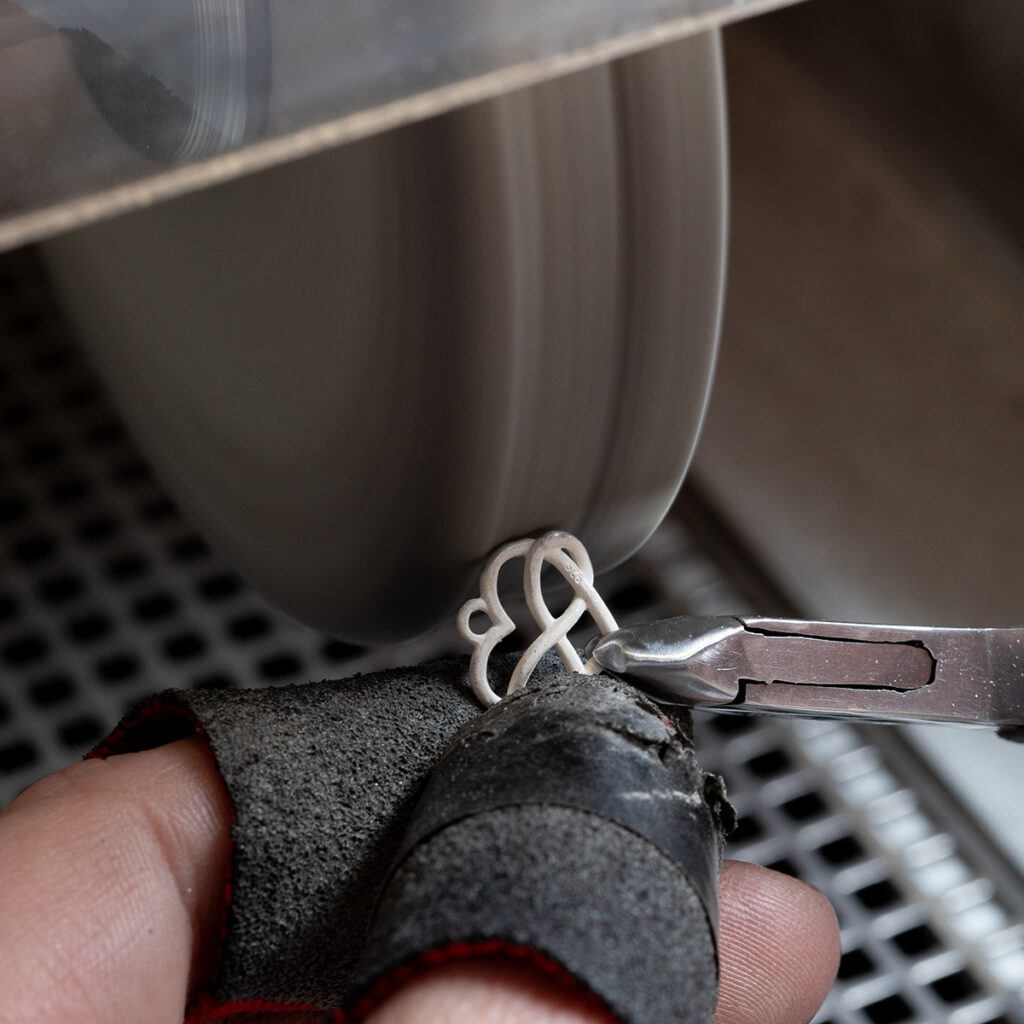
Metal filings and particles: cutting, sawing, sanding, grinding and polishing produce microscopic fragments, dust and flying debris that can enter the eyes or lungs and cause respiratory issues.
Dust and harmful fumes: polishing, soldering, and chemical use release harmful airborne substances.
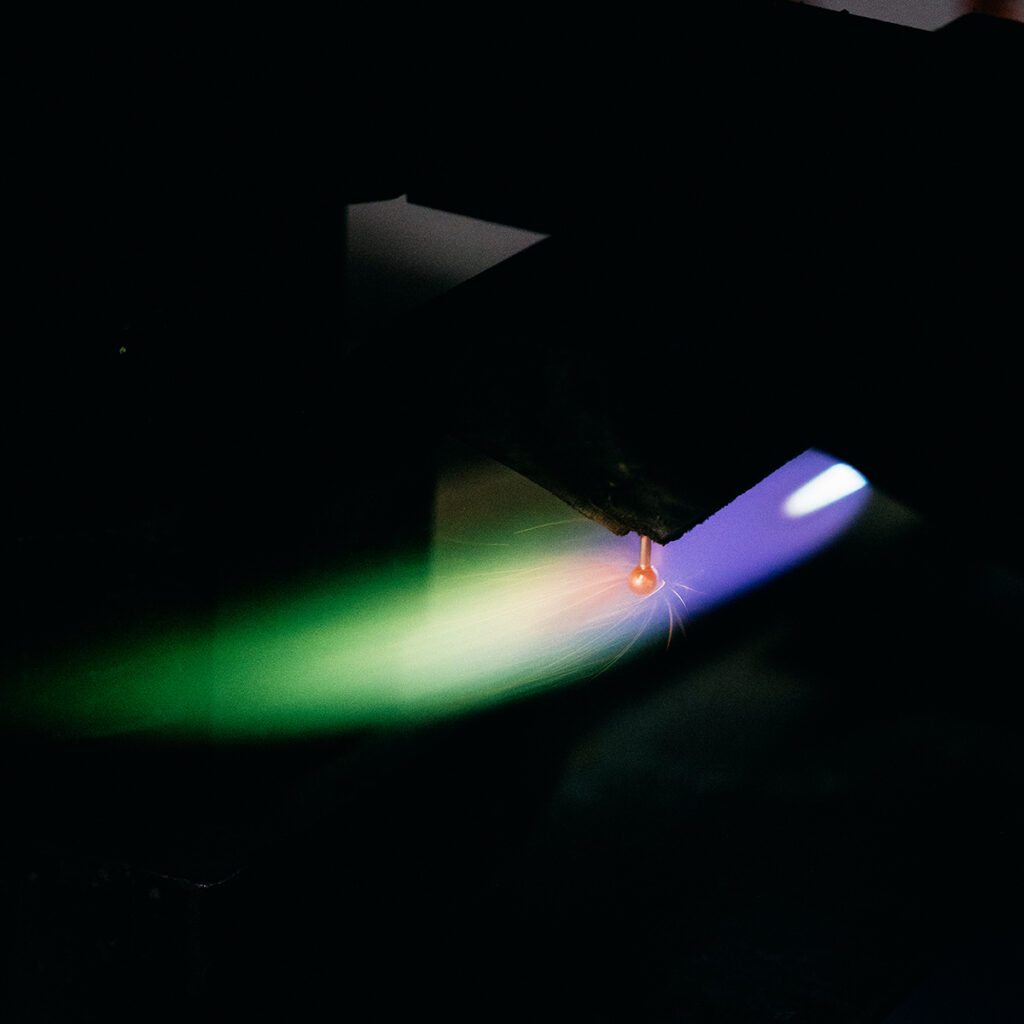
Heat and open flame: soldering involves high temperatures and burn risks.
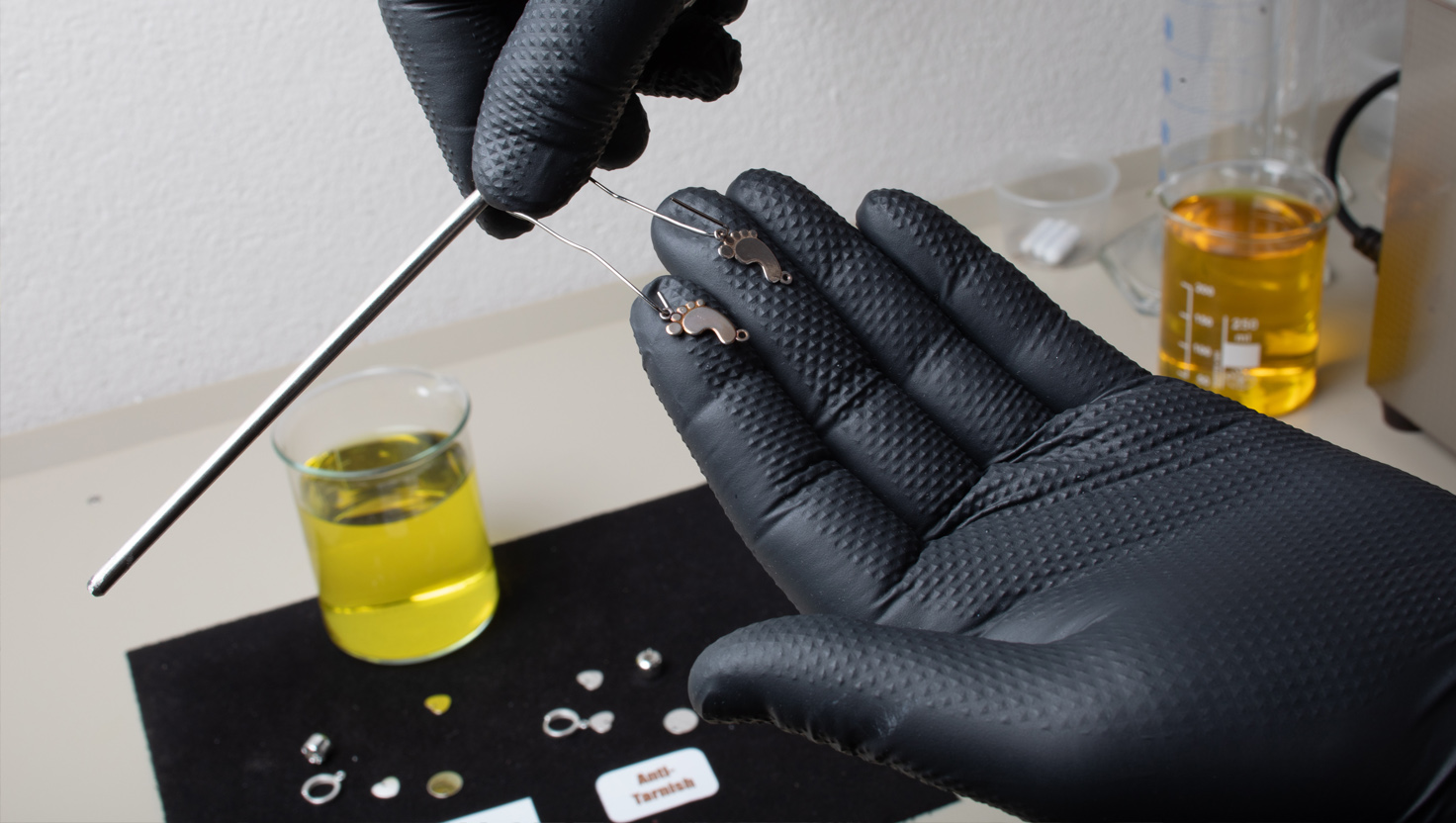
Chemicals: pickling solutions, acids, and fluxes may irritate skin and respiratory systems.
Health & Safety Fundamentals in Making Jewellery Work Area
Responsibility: jewelry making combines craftsmanship with exposure to real hazards.
Prevention: avoiding accidents is easier and safer than treating injuries.
Proper PPE selection: protective equipment must match the task—cutting, soldering, polishing, or chemical handling.
Conclusion
Understanding potential risks allows you to consciously select the right PPE and use extra protection and safe working environment during jewellery making work.
MODULE 2: FACE AND EYE PROTECTION
Safety Glasses
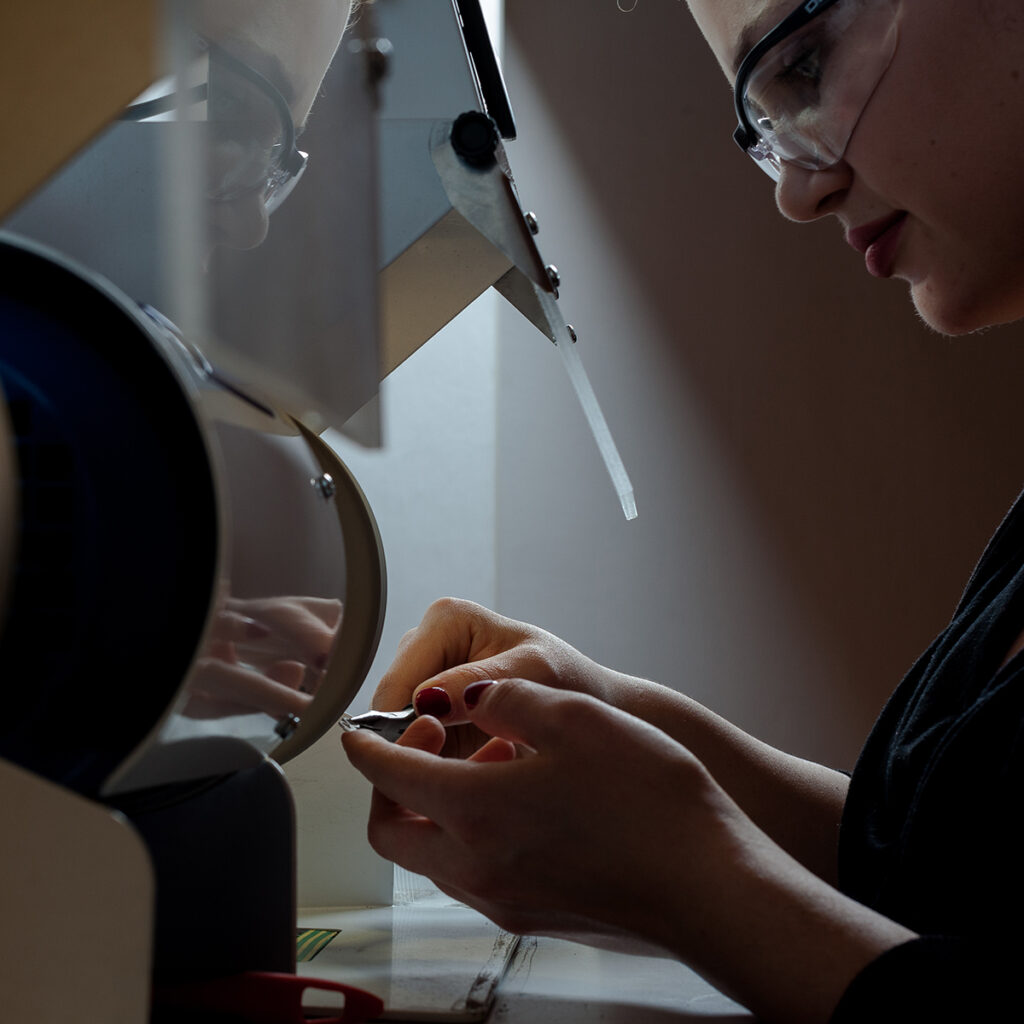
When to use eye protective gear: almost always—especially during cutting, grinding, polishing, and chemical handling.
Types
Wear safety glasses with side shields: general-purpose protection against metal chips.
Use full-seal safety goggles or dust mask: recommended for heavy grinding and dusty environments.
Key Features
Scratch resistance
High optical clarity
Certified safety standards (e.g., EN 166 in Europe)
Face Shields
When to use face protective equipment: during high-risk operations such as mechanical polishing or soldering with splashing flux.
Function: protect the entire face from sparks, flames, and chemical splashes.
Practical Tips
Clean lenses regularly to maintain visibility.
Store protective gear in cases or dedicated holders to prevent scratches.
Conclusion
Eye and face protection are absolutely essential—even a tiny metal fragment can cause serious injury.
MODULE 3: RESPIRATORY PROTECTION
Dust masks and Respirators
Why they are necessary: jewellery making generates dust and fumes, especially during polishing, soldering, and chemical processes.
Types
Disposable half masks (FFP2, FFP3): protect against fine metal dust.
Reusable respirators with replaceable filters:
P2 / P3 filters for metal dust
A, B, E, K filters for chemical vapors (depending on substances used)
How to Choose the Right Mask
Match the filter type to the hazard (dust vs. fumes).
Ensure proper fit—poor sealing dramatically reduces effectiveness.
Ventilation
PPE alone is not enough—proper ventilation is critical.
Use local exhaust systems, hoods, or at least window ventilation combined with fans.
Practical Tips
Replace filters according to manufacturer recommendations.
Regularly check mask tightness and condition.
Conclusion
Respiratory protection is vital for long-term health. Always choose masks based on the specific contaminants present in your jewelry workshop and pay attention to proper ventilation of your workspace.
MODULE 4: HAND PROTECTION & ADDITIONAL SAFETY MEASURES
Protective Gloves
Types and Uses
Latex / nitrile gloves: chemical handling (acids, pickling solutions).
Cut-resistant gloves (Kevlar or steel fiber): cutting metal and handling sharp edges.
Heat-resistant gloves: brief contact with hot metal during soldering.
Key considerations: wear gloves in correct size, with good grip, and flexibility—overly thick gloves reduce precision.
Protective Clothing for Jewellers
Apron or workwear: prevents clothing damage and avoids entanglement.
Non-slip footwear: essential when liquids or chemicals are present.
Additional Safety Equipment
Hearing protection: for extended use of polishing or grinding machines.
Hair protection: tie back long hair or use hair nets to avoid entanglement in rotating tools.
Maintenance and Replacement
Inspect gloves regularly and discard damaged ones.
Clean protective clothing according to instructions to maintain effectiveness.
Conclusion
Proper hand protection and clothing prevent cuts, burns, and chemical injuries during jewellery making. Always match protection to the task.

ADDITIONAL NOTES
In daily practice, continuously expanding your knowledge of precious metal safety helps you create high-quality silver and gold jewellery while maintaining professional standards. Precision and attention to detail are essential for both craftsmanship and safety. Remember that in the 925CRAFT collection, you will find a wide range of jewelry making supplies to support your work and speed up production.
TRAINING SUMMARY
Eye and face protection: shields against metal fragments, dust, and sparks.
Respiratory protection: essential for dust, fumes, and chemical vapors.
Protective gloves: selected based on chemical, mechanical, or thermal risks.
Additional PPE: clothing, hearing, and hair protection improve safety and comfort.
Final Reminder
Whether in a professional jewellery studio or a home workshop, using proper personal protective equipment for jewelers is not optional—it is essential. PPE allows you to pursue your passion safely while minimizing the risk of accidents and long-term health issues.
We wish you safe, productive, and creative work in the world of jewelry making!
Want to know more?
- Find out: How to create silver cufflinks with cufflink blanks?
- Read the article: Silver hoop earrings in a new version – part 2
- Get inspired: Cube beads with letters for jewellery making
- Check also: How to make cat themed jewelry
- Discover: Be yourself! Swarovski trends for Fall/Winter 2019/2020