
JEWELRY TRAINING 8: HOW TO SET UP A HOME JEWELLERY WORKSHOP – SAFETY, COMFORT, AND ERGONOMICS
INTRODUCTION TO THE JEWELLERY MAKING WORKSHOP
Contents
- 1. INTRODUCTION TO THE JEWELLERY MAKING WORKSHOP
- 2. MODULE 1: SAFETY BASICS IN A HOME JEWELLERY WORKSHOP
- 3. MODULE 2: ERGONOMICS – HOW TO WORK COMFORTABLY
- 4. Workbench Height
- 5. MODULE 3: EQUIPMENT AND TOOL ORGANIZATION
- 6. MODULE 4: VENTILATION, NOISE CONTROL, AND BUDGET PLANNING
- 7. TRAINING SUMMARY
- 8. Want to know more?
- 9. Stay up to date
Welcome to this beginner-friendly training for anyone planning to set up their first home jewelry workshop. A clean, well-designed, and safe workspace is the foundation for developing real jewelry making skills. In this course, you’ll learn how to build a practical and comfortable jewelry-making workspace at home, while protecting your health and working safely with precious metals and jewelry tools and equipment.
Jewellery Making Course Objectives
Learn essential health and safety rules for a home jewelry studio.
Understand basic ergonomics—how to position your bench, chair, desk lamps and tools to avoid strain.
Get practical top tips for organizing your studio and storing materials, tools, and jewellery making supplies.
This jewellery workshop is divided into 4 modules, guiding you step by step through setting up a safe and efficient home jewelry workshop.
MODULE 1: SAFETY BASICS IN A HOME JEWELLERY WORKSHOP
Choosing the Right Room
Pick a well-ventilated space: a room with a window, a basement with extraction, or any area with strong airflow.
Avoid setting up in the bedroom or kitchen—metal dust and polishing particles (especially from silver) should never contaminate sleeping or eating areas.
Safe Use of Fire and Chemicals
Jewellery making techniques often involves a torch for soldering—use a fireproof soldering surface (e.g., firebrick).
Store pickling solutions, acids, and flux in sealed, labeled containers, away from children and pets.
Keep a fire extinguisher nearby (dry powder type is a common choice) and ensure safe access to a power shut-off if you use electric tools.
Essential Safety Rules (PPE)
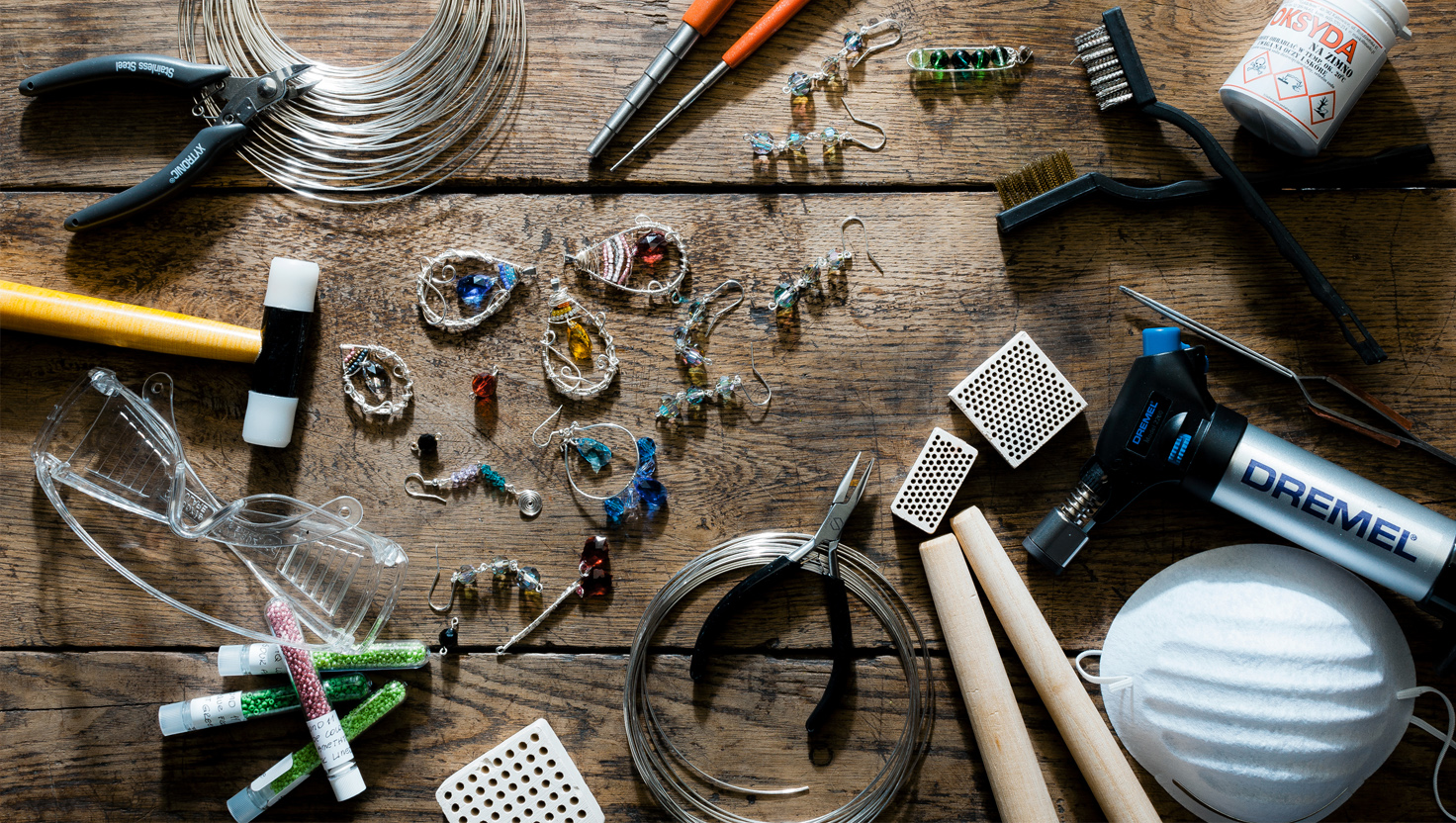
Safety glasses to protect from metal fragments, dust, and sparks.
Gloves for chemicals and sharp metal handling.
Mask or face shield for grinding and polishing to avoid inhaling dust.
Proper clothing: cotton apron or non-flammable clothing, no loose sleeves or accessories.
Conclusion
Safety must be your top priority—from room selection to fire protection, chemical storage, proper soldering area and correct PPE for own jewellery making.
MODULE 2: ERGONOMICS – HOW TO WORK COMFORTABLY
Workbench Height
A proper jewelry bench height helps prevent neck and back pain.
A practical rule: your work surface should be about 5–10 cm below your elbow for precision tasks like sawing, filing, and soldering. If possible, invest in a bench designed for jewellery making.
Lighting
Good lighting is non-negotiable:
Use an adjustable lamp and a bulb with high CRI (color accuracy), so you can clearly see metal tones and gemstone colors.
Use natural daylight when possible, but avoid glare and harsh shadows.
Chair and Back Support
Choose an adjustable chair with lumbar support.
If you often work standing, use an anti-fatigue mat to reduce strain.
Tool Placement and Workspace Organization
Keep your most-used tools and equipment within reach (saw, torch, pliers).
Use drawers and organizers for jewellery making supplies storage (jump rings, jewelry clasps, charms, beads, silver clay, stone settings and other jewelry components).
Maintain a clean bench—clutter reduces precision and increases accident risk. Store sheets, wires, chains, posts, solder and soldering parts in dedicated containers to prevent damage.
Conclusion
Good ergonomics = less fatigue, better precision, and faster progress in jewellery making.
MODULE 3: EQUIPMENT AND TOOL ORGANIZATION
Essential Jewelry Tools for Beginners
Jeweler’s saw (piercing saw) for precise cutting
Needle files and file sets for finishing
Pliers (flat, round, cutters) for bending and forming
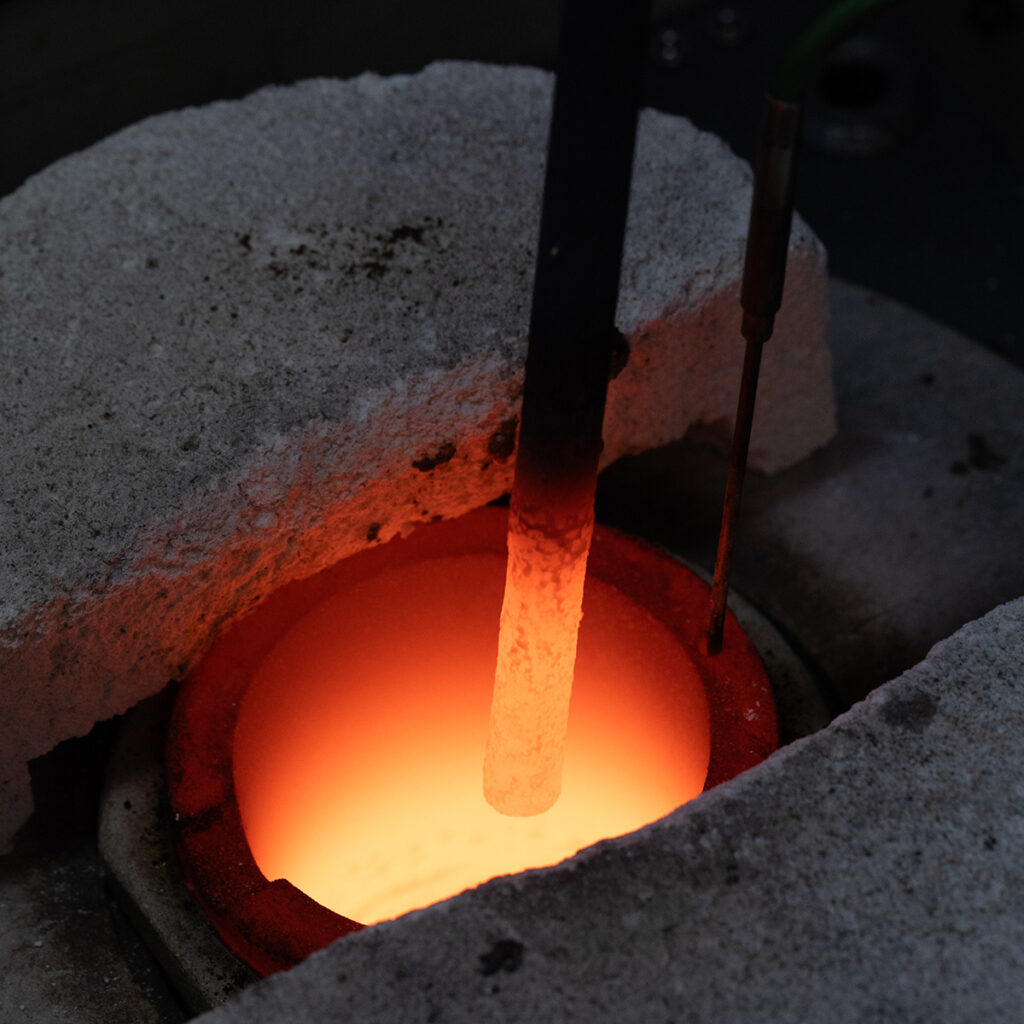
Small butane torch for soldering (easy flame control)
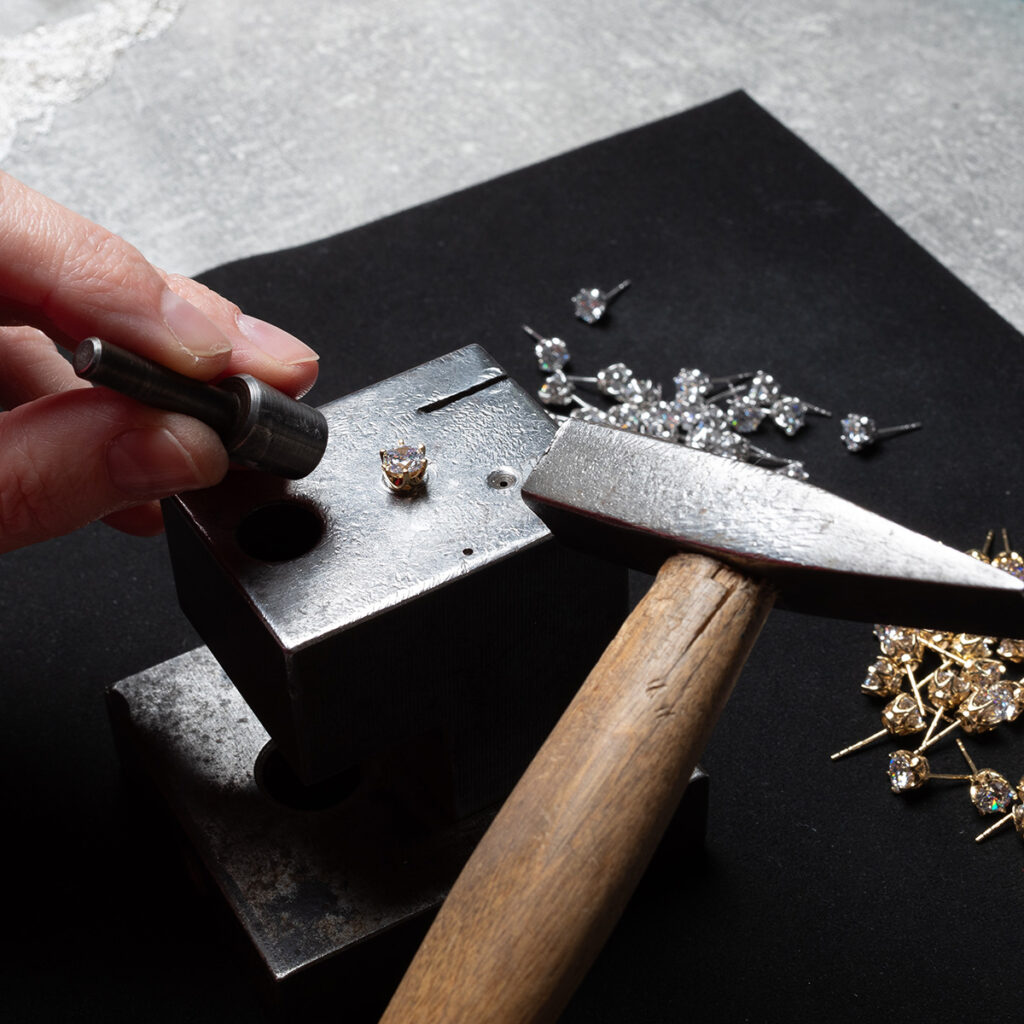
Hammers and bench blocks/anvils for shaping and texturing
Optional Devices to Upgrade Your Workshop
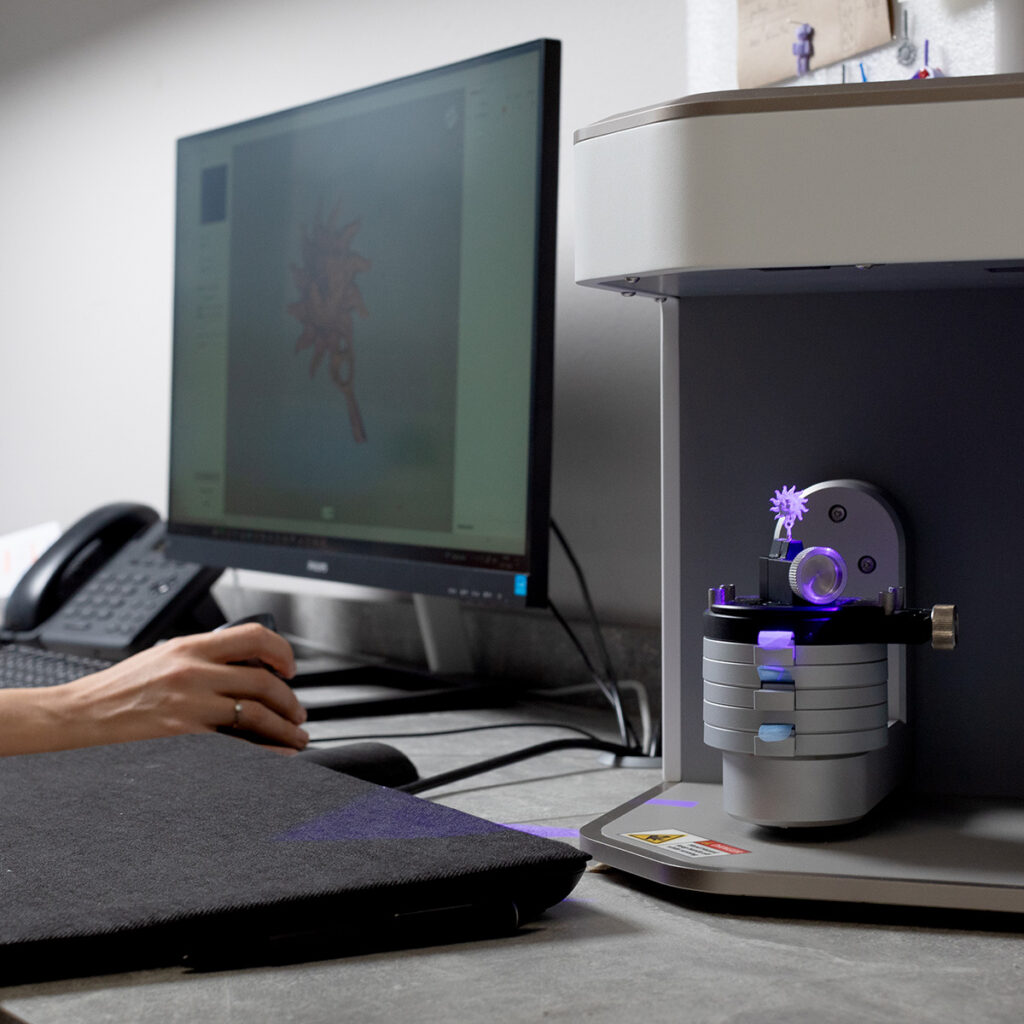
Small polishing machine or rotary tool attachments for finishing metal and stones
Ultrasonic cleaner to remove polishing compound and flux residue
Pickling setup (container + solution) for removing oxides after soldering
Tool Storage and Maintenance
Label tools and store them in fixed positions (drawers with dividers).
Maintain tools regularly (oil metal parts, keep surfaces clean).
Remove metal dust often—particles can scratch jewelry creations during polishing.
Material Storage
Store sterling silver, gold, and other jewelry and findings separately to prevent mixing and stock confusion.
Keep gemstones and settings in padded boxes to prevent scratches and chipping.
Conclusion
Start with the essentials. A well-organized jewelry workshop saves time, reduces losses, and improves craftsmanship.
MODULE 4: VENTILATION, NOISE CONTROL, AND BUDGET PLANNING
Ventilation and Air Filtration
Soldering techniques and chemicals create fumes—use:
A window + fan system
A hood or extraction unit where possible
Filtering masks (e.g., carbon filters) when working with irritating substances
Noise Reduction
Grinding, polishing, hammering, and mechanical jewellery making techniques can be loud:
Use vibration pads under machines
Consider sound-dampening mats
Wear hearing protection during intense work sessions
Budget Planning
You don’t need to buy the most expensive equipment immediately:
Start with reliable beginner jewelry making tools
Upgrade gradually as your skill grows
Consider used equipment from closing workshops, jewellery businesses and jewellers or trusted second-hand shops
Eco-Friendly Jewellery Workshop Habits
Separate jewellery making supplies waste: metal filings, used chemicals, polishing residue
Never dispose of chemicals in regular trash
Collect sterling silver and gold scraps separately—they can be refined or sold as precious metal scrap
Conclusion
Ventilation, noise control, and smart budgeting directly affect your comfort, safety, and long-term workshop success.


TRAINING SUMMARY
Safety
Choose a ventilated room and use proper PPE (glasses, gloves, masks).
Store chemicals and torches safely and reduce fire risk.
Ergonomics
Adjust bench height, chair, and lighting to reduce strain.
Keep your workspace clean and organized for better precision.
Jewellery Tools Organization
Start with essential jewellery making tools and maintain them regularly.
Use labeled storage to protect tools and prevent lost jewellery making supplies.
Comfort and Sustainability
Prioritize ventilation and noise reduction.
Plan your budget wisely—upgrade gradually.
Recycle metal scraps and manage workshop waste responsibly.
By the end of this course, you’ll have a solid foundation for building a safe, ergonomic, and productive home jewelry workshop. The better your setup, the more enjoyable jewellery making becomes—and the faster your skills grow.
If you want to speed up your workflow, you can also use ready-made 925CRAFT wholesale jewelry supplies. In our store you’ll find a wide range of jewelry findings and supplies such as chains, wires, charms, pearls, crystals, semi precious stones and gemstones to create gold and sterling silver jewellery. You can also order custom designs for your own jewellery business. Visit the 925CRAFT blog for inspiration, ideas and guides on hallmarking, laser cut, castings, jewellery trends, and practical jewellery making top tips.
Good luck—and enjoy building your home jewelry studio!
Want to know more?
- Find out: Fall 2022 jewelry trends
- Read the article: Ring blanks – design stylish jewellery for hands – part 2
- Get inspired: Pearl settings – how to make jewelry with pearlsim
- Check also: Semi-precious stones and crystals from GAVBARI
- Discover: How to make string bracelets – a guide for jewelry makers from 925CRAFT