How to Make Jewelry: A Step-by-Step Guide for Beginners
November 13, 2026
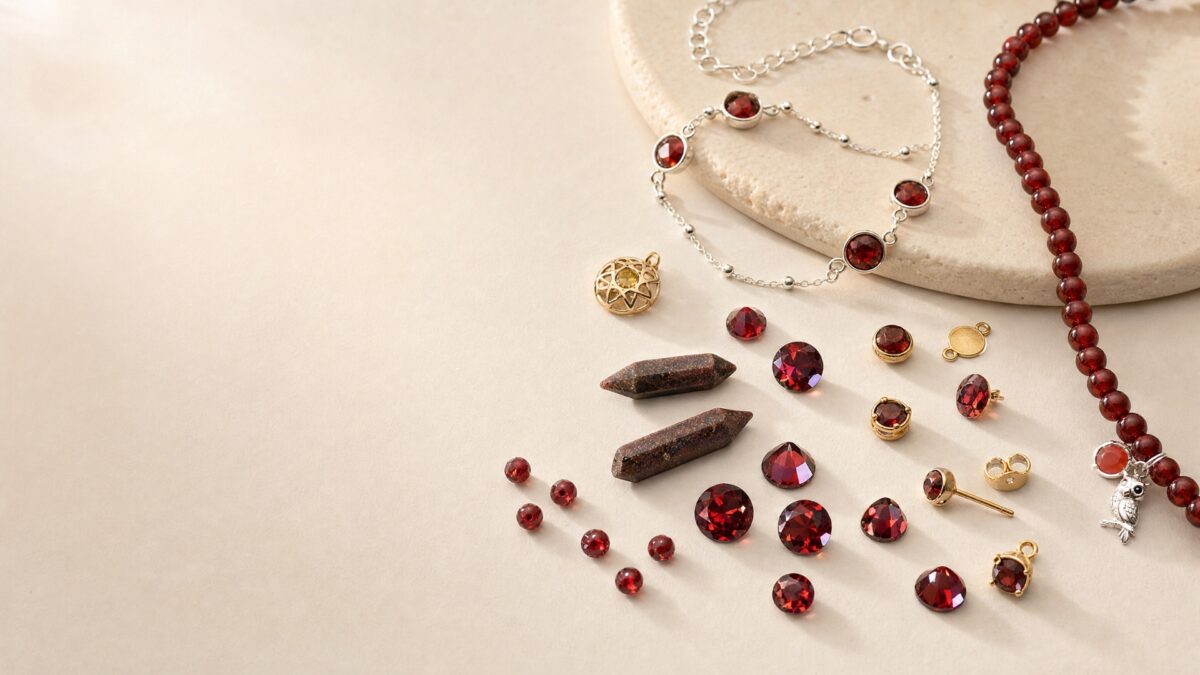
Deep red, beautifully reflective, and full of character, garnet is a natural gemstone that has fascinated jewelers and gemstone lovers for thousands of years. Its rich color often resembles the seeds of a ripe pomegranate, making it instantly recognizable in rings, necklaces, earrings, and bracelets. But there's more to garnet than its familiar burgundy appearance. This remarkable gemstone family includes vivid greens, warm oranges, delicate pinks, and even rare color-changing varieties. From understated everyday accessories to elaborate fine jewelry, garnet offers an impressive range of creative possibilities. Throughout history, garnet has been associated with love, passion, loyalty, courage, and protection. Today, it's appreciated both for its symbolism and its attractive physical properties. A small, carefully cut garnet can bring a touch of sophistication to a simple sterling silver necklace, while a larger stone set in gold can become the centerpiece of an elegant statement ring. If you enjoy making your own jewelry, garnet is particularly inspiring. You can use tiny drilled beads to create delicate bracelets, faceted stones for classic earrings, or elongated gemstone drops for contemporary pendants.
In this guide, you'll discover garnet gemstone properties, meaning, history, colors, and jewelry making applications. You'll also learn how to identify natural garnet, care for garnet jewelry, choose complementary gemstones, and work with sterling silver and gold jewelry findings from 925CRAFT.
Whether you're designing your first gemstone bracelet or developing a professional jewelry collection, understanding garnet will help you make more confident choices.

1. What Is Garnet? Origin, History, and Formation
When you hear the word garnet, you probably picture a dark red gemstone. However, garnet isn't a single mineral. It belongs to a family of closely related silicate minerals with similar crystal structures but different chemical compositions. The garnet group includes several important species, such as almandine, pyrope, spessartine, grossular, and andradite. Their chemistry influences their color, appearance, and other gemological properties. Red garnets are especially familiar in jewelry, but the mineral family is far more diverse than many people realize.
Where Does the Name Garnet Come From?
The name garnet is connected to the Latin word granatus, referring to seeds or grain-like forms. Its association with the pomegranate is easy to understand when you compare a cluster of red gemstones with the glossy seeds inside the fruit. The gemstone has a remarkably long history. Ancient Egyptians used garnet in jewelry and decorative objects thousands of years ago. In ancient Rome, engraved garnets were frequently incorporated into signet rings used to make impressions in wax. Later, garnet became a favorite in European jewelry, particularly during the Victorian era. Bohemian garnet jewelry, often featuring numerous small red stones arranged in decorative clusters, remains one of the most recognizable historical styles.
Where Is Garnet Found?
Garnet occurs in many parts of the world, although the availability of jewelry-quality material varies considerably. Important sources include India, Sri Lanka, Brazil, Madagascar, Tanzania, Kenya, and the Czech Republic. Many garnets develop in metamorphic rocks, where existing minerals are transformed under elevated temperatures and pressures. Others form in different geological environments, depending on their composition. Not every garnet crystal found in nature is suitable for jewelry. Gem-quality specimens must have the appearance, durability, and cutting potential required for decorative use.
Why Has Garnet Remained Popular for So Long?
Part of its appeal lies in its color. Deep red garnet looks equally convincing in antique jewelry and modern minimalist designs. It also combines attractive brilliance with a level of hardness that makes many varieties suitable for regular wear. For jewelry designers, this means you can experiment with classic gemstone settings, delicate beadwork, and personalized accessories without limiting yourself to a single style.

2. Garnet Gemstone Properties and Durability
Before choosing garnet for your next jewelry project, it's worth understanding its physical characteristics. These properties help determine which settings to use, how to protect the stone, and whether it's suitable for a particular type of jewelry.
How Hard Is Garnet?
Garnet measures approximately 6.5 to 7.5 on the Mohs hardness scale, depending on the variety. This makes it reasonably resistant to everyday scratching, although it's softer than sapphire and diamond. Garnet is suitable for earrings, pendants, necklaces, and many ring designs. However, jewelry intended for frequent wear should be designed carefully. A gemstone doesn't have to be particularly soft to suffer damage from a strong impact. Even a polished garnet can chip if it strikes a hard surface. For rings that you plan to wear regularly, consider settings that protect the stone's most vulnerable edges.
Brilliance and Transparency
Garnet typically has a vitreous, or glass-like, luster. Depending on its variety and quality, it can be transparent, translucent, or opaque. Faceted garnets are particularly attractive because their polished surfaces reflect light in different directions. Some dark red garnets may appear almost black in dim lighting. When illuminated from a suitable angle, however, their deep burgundy and red reflections become much more visible.
Key Garnet Gemstone Properties
|
Property |
Description |
|---|---|
|
Mineral group |
Silicate minerals, garnet group |
|
Mohs hardness |
Approximately 6.5–7.5 |
|
Crystal system |
Cubic |
|
Typical luster |
Vitreous |
|
Transparency |
Transparent to opaque |
|
Colors |
Red, purple, pink, orange, green, yellow, and others |
|
Jewelry uses |
Rings, earrings, pendants, necklaces, bracelets |
Is Garnet Durable Enough for Everyday Jewelry?
For many designs, yes. Garnet is particularly practical for earrings and pendants because these pieces are generally less exposed to accidental knocks than rings. If you're creating a gemstone bracelet, make sure the stones aren't continually rubbing against harder materials. For everyday rings, select a protective setting and avoid wearing the jewelry during activities that could expose it to repeated impacts.
3. Garnet Colors and Varieties: More Than a Red Gemstone
One of the most surprising facts about garnet is its exceptional range of colors. Although red garnet is the most widely recognized, the broader garnet family includes gemstones in green, orange, pink, purple, yellow, and several other shades. Understanding these varieties can help you select stones that complement your jewelry designs.
Red Garnet: Almandine and Pyrope
Almandine and pyrope are among the best-known red garnets.
Almandine garnet commonly displays dark red, wine-red, and reddish-brown tones. Its rich color creates a striking contrast with polished sterling silver. It's particularly attractive in minimalist earrings, gemstone rings, and delicate pendants.
Pyrope garnet is associated with deep red coloration, sometimes with subtle purplish tones. When combined with yellow gold 585, it can create a sophisticated, traditional appearance.
Rhodolite Garnet: Raspberry and Purple-Red
Rhodolite is a trade name commonly used for garnets in the pyrope-almandine series that display attractive pinkish-red to purplish-red colors. Compared with some darker red garnets, rhodolite often creates a brighter, more romantic impression. It's an excellent option for delicate rings, gemstone earrings, and feminine pendant designs.
Spessartine Garnet: Warm Orange
Spessartine is known for its orange to reddish-orange coloration. Some specimens display vivid mandarin-like shades, making them particularly attractive alongside yellow gold. If you enjoy warm jewelry color palettes, orange spessartine can provide an interesting alternative to citrine or carnelian.
Tsavorite Garnet: Brilliant Green
Tsavorite is a green variety of grossular garnet. Its vibrant color can resemble emerald, although the two gemstones belong to different mineral groups. Fine tsavorite is valued for its lively green appearance and is frequently used in luxury jewelry. A simple gold pendant or elegant gemstone ring can beautifully showcase its color.
Demantoid Garnet: Exceptional Sparkle
Demantoid is a green variety of andradite garnet. It's particularly admired for its dispersion, which can produce colorful flashes of light in well-cut stones. These optical effects make fine demantoid an appealing choice for high-end jewelry.
Color-Changing Garnets
Some rare garnets display different colors depending on the light source. A stone may appear one color under daylight and another under certain artificial lighting conditions. This optical phenomenon makes color-change garnets particularly interesting to collectors.
4. Garnet Meaning, Symbolism, and Spiritual Beliefs
The symbolism of garnet is almost as fascinating as its geological history. For centuries, the gemstone has been associated with passion, love, courage, loyalty, and perseverance. Its deep red appearance naturally connects it with the heart, emotional intensity, and personal commitment.
What Does Garnet Symbolize?
Garnet traditionally symbolizes love, passion, protection, courage, and lasting friendship. This symbolism makes it a meaningful choice for personalized jewelry. A small garnet pendant can represent an important relationship. A garnet ring may become a romantic anniversary gift, while a bracelet featuring the gemstone can serve as a personal reminder of determination or strength. If you're designing a jewelry collection with symbolic motifs, consider combining garnet with sterling silver hearts, infinity charms, initials, or engraved pendants.
Garnet Spiritual Meaning
In crystal healing traditions, garnet is often described as a grounding stone associated with motivation, confidence, and emotional strength. It's also commonly connected with the root chakra in contemporary spiritual practices. However, these associations belong to cultural and spiritual belief systems. There is no reliable scientific evidence that wearing garnet can treat medical conditions, regulate circulation, or produce therapeutic energy. You can still appreciate garnet as a meaningful personal symbol without treating these beliefs as established medical facts.
Garnet as a Stone of Love
Garnet's connection with affection and commitment makes it particularly suitable for romantic jewelry. Consider creating a delicate necklace with a garnet gemstone and a small sterling silver heart charm. Another elegant option is a pair of red garnet earrings paired with a matching bracelet. Garnet is also traditionally associated with the second wedding anniversary, making it a thoughtful choice for anniversary jewelry.
5. Garnet Birthstone and Zodiac Signs
Gemstones have long been associated with astrology, birth months, and personal symbolism. If you're designing personalized jewelry, these traditions can provide inspiration for meaningful gifts and themed collections.
What Month Is Garnet the Birthstone For?
Garnet is the traditional birthstone for January. That makes it a natural choice for January birthday necklaces, gemstone bracelets, and personalized birthstone earrings. You can create a particularly attractive birthday gift by combining a small garnet with an initial pendant or zodiac charm.
What Zodiac Signs Are Associated with Garnet?
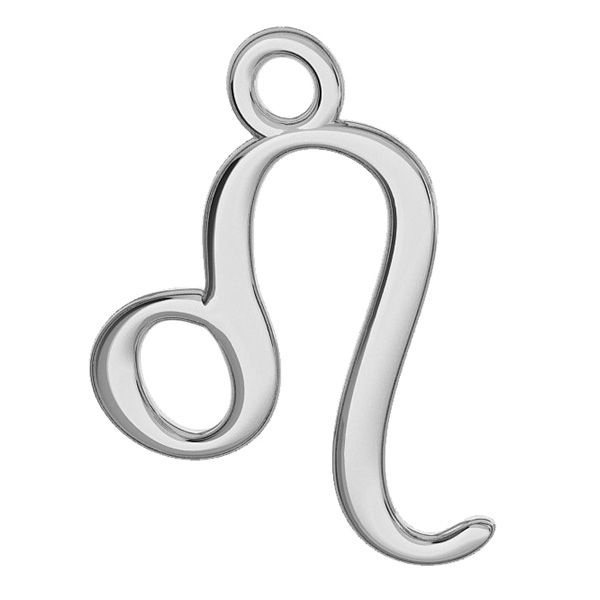
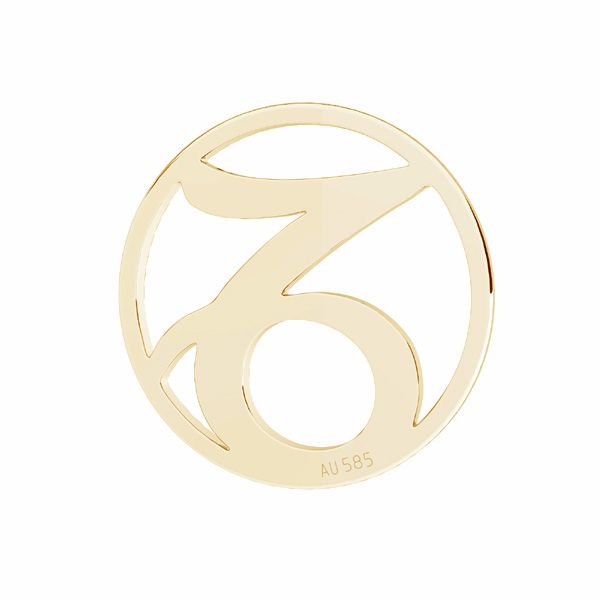
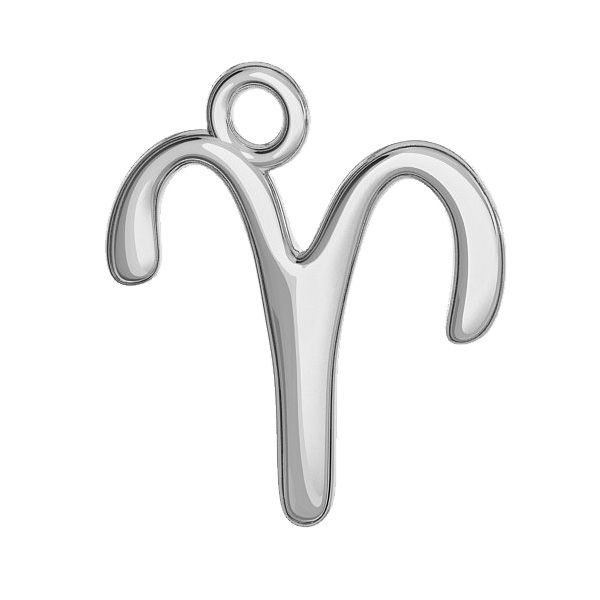
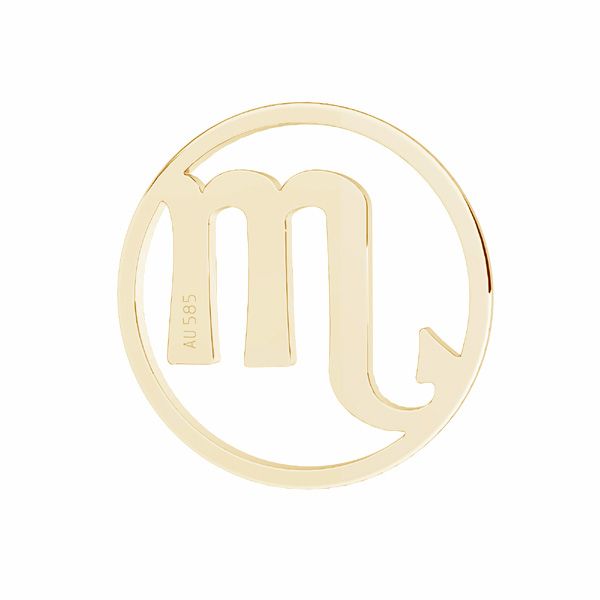
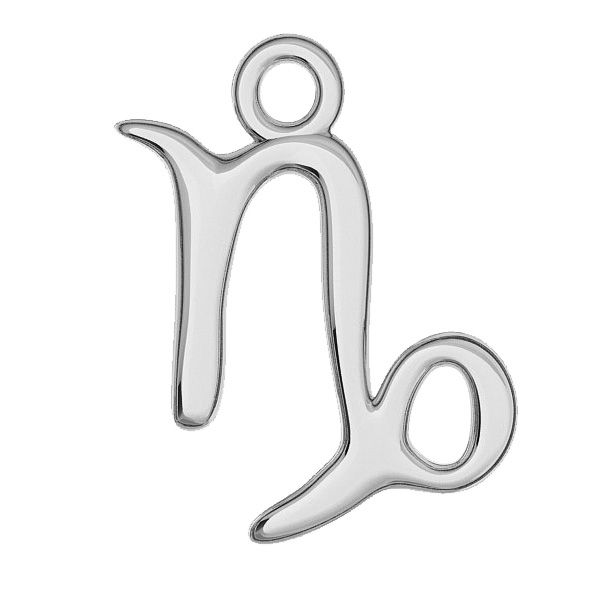
There is no single universally accepted system for matching garnet to zodiac signs. However, garnet is frequently associated in modern crystal and astrology traditions with Capricorn, Aries, Leo, and Scorpio.
Capricorn: Garnet is symbolically connected with persistence, responsibility, and determination. A minimalist silver garnet necklace can reflect these qualities.
Aries: The gemstone's vibrant red color is often associated with courage, enthusiasm, and action. Garnet drop earrings or a statement bracelet make an expressive choice.
Leo: Garnet's connection with confidence and passion suits jewelry designed to make an impression. Consider an eye-catching gold ring featuring a faceted garnet.
Scorpio: Deep burgundy shades complement the emotional intensity traditionally associated with this sign. A garnet pendant on an oxidized silver chain can create a distinctive design.
The connections between zodiac signs and stones are traditional interpretations rather than scientifically established effects.
Who Should Wear Garnet?
From a styling perspective, anyone who appreciates rich gemstone colors can wear garnet. It's particularly attractive if you prefer classic jewelry, warm color palettes, or designs with a personal story. You don't need to be born in January or belong to a particular zodiac sign to enjoy garnet jewelry.
6. Garnet Jewelry: Sterling Silver or Gold?
One of garnet's greatest advantages is how beautifully it works with different precious metals. The same red gemstone can look modern and understated in sterling silver or warm and luxurious in gold.
Garnet and Sterling Silver: Modern Elegance
The cool appearance of 925 sterling silver creates an attractive contrast with red garnet. This combination is particularly suitable for minimalist jewelry. Imagine small garnet stud earrings in polished silver, a delicate cable-chain necklace with a single gemstone pendant, or a bracelet featuring tiny garnet beads and silver spacers. Rhodium-plated sterling silver offers an especially bright finish that can emphasize the contrast between the metal and the gemstone. For contemporary designs, consider geometric settings and relatively simple silhouettes.
Garnet and 14K Gold: Timeless Luxury
14K gold, also marked 585, contains 58.5% pure gold. Yellow gold complements the warm undertones of many red garnets and creates a rich, classic appearance. This combination works beautifully in rings, elegant earrings, and statement necklaces. Rose gold can also complement garnets with pinkish-red or purplish tones.
How to Style Garnet Jewelry
Red garnet pairs beautifully with black, cream, beige, white, navy blue, and neutral earth tones. For evening wear, choose a single statement piece, such as garnet earrings with a simple black dress. For everyday styling, a small garnet pendant can add just enough color to a neutral outfit. If you prefer layered necklaces, combine a short gemstone necklace with a longer, delicate sterling silver chain.
7. What Gemstones Go Well with Garnet?
Garnet can become the focal point of a jewelry design or work alongside other gemstones. The best combination depends on whether you want a romantic, modern, colorful, or understated effect.
|
Gemstone combination |
Visual effect |
Jewelry idea |
|---|---|---|
|
Garnet + clear quartz |
Red and transparent contrast |
Beaded necklace |
|
Garnet + pearls |
Romantic elegance |
Earrings or bracelet |
|
Garnet + black onyx |
Bold, contemporary style |
Unisex bracelet |
|
Garnet + rose quartz |
Soft pink and burgundy |
Gemstone necklace |
|
Garnet + amethyst |
Red and purple tones |
Drop earrings |
|
Garnet + hematite |
Red with metallic accents |
Bracelet |
|
Garnet + citrine |
Warm, contrasting colors |
Bohemian necklace |
Garnet and Pearls
This is an especially attractive pairing for romantic jewelry. The soft appearance of pearls balances the intensity of red garnet. Try combining small garnet beads with freshwater pearls and delicate sterling silver spacers.
Garnet and Black Onyx
If you want a more contemporary design, black onyx provides a dramatic contrast. This combination works particularly well in minimalist men's jewelry, unisex bracelets, and geometric accessories.
Garnet and Rose Quartz
Rose quartz creates a softer color palette, transitioning from pale pink to deep burgundy. You can use this pairing in delicate necklaces or bracelets designed around romantic symbolism.
Garnet and Clear Quartz
Clear quartz adds transparency and brightness without introducing another strong color. A bracelet with alternating garnet and clear quartz beads can look elegant without becoming overly decorative.
How to Keep Your Design Balanced
Choose one dominant gemstone and use the others as supporting accents. For example, a garnet bracelet with occasional clear quartz beads creates a more controlled rhythm than a random mixture of many colors and sizes. Also consider gemstone hardness. Softer materials, especially pearls, may benefit from protective spacers or knotted construction.
8. Garnet Jewelry Making Ideas with 925CRAFT
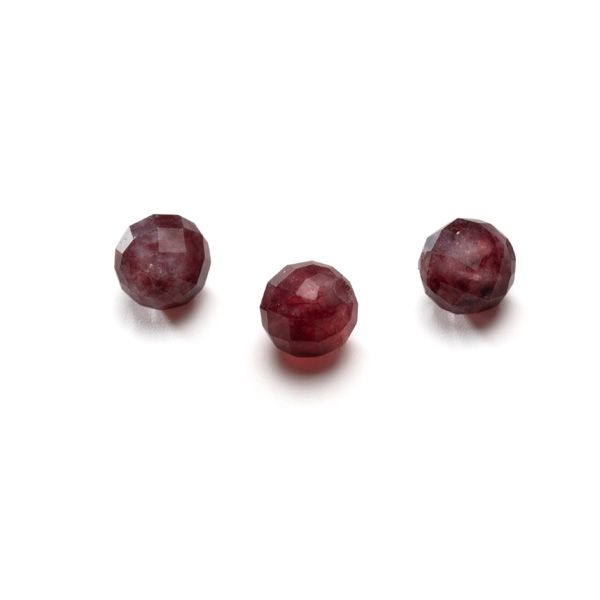
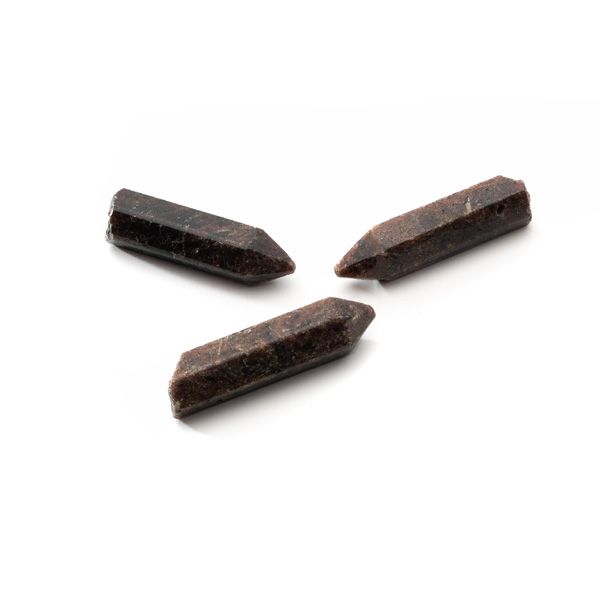
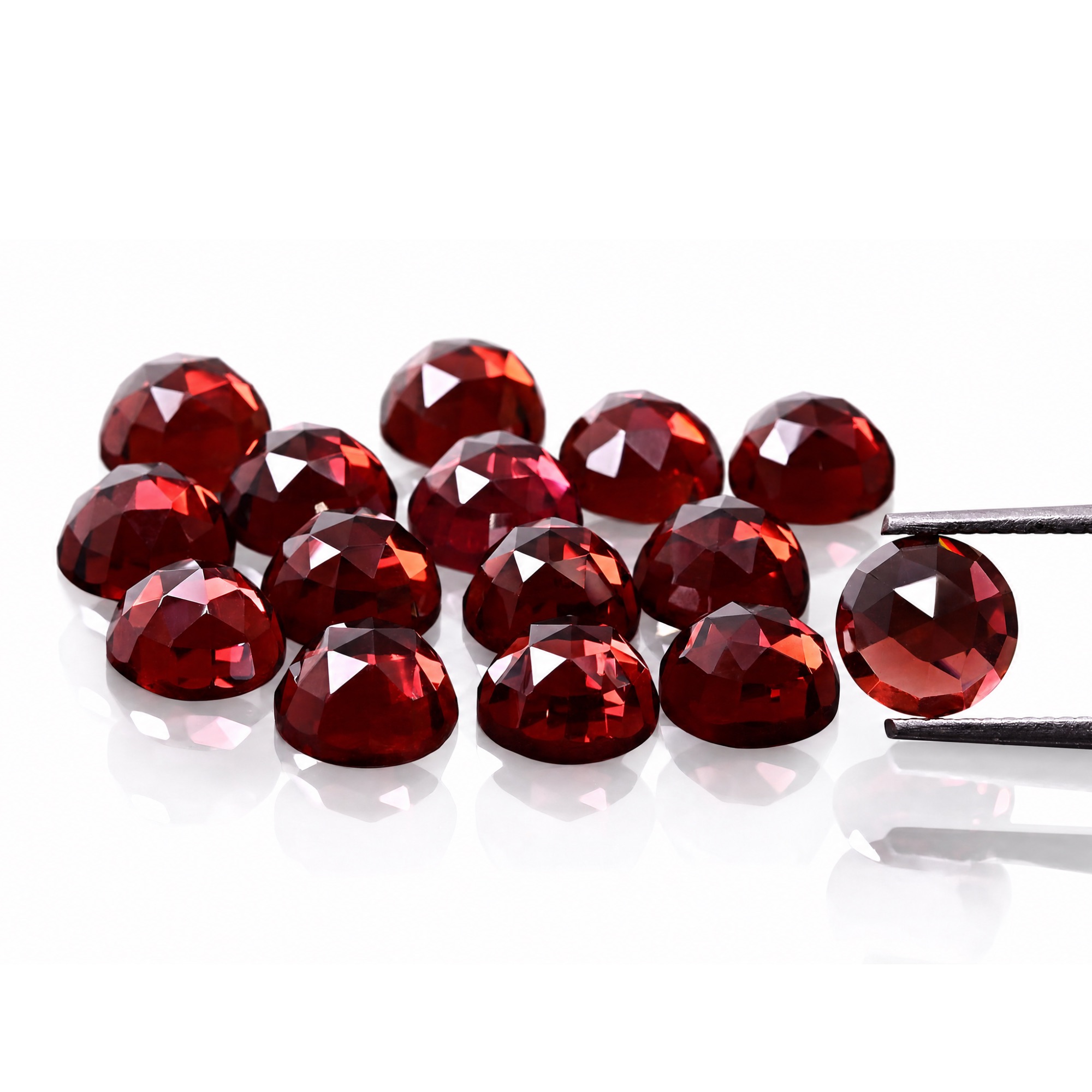
If you enjoy DIY jewelry making, garnet offers many creative possibilities. Its rich color works beautifully in minimalist pieces, romantic accessories, and more elaborate gemstone jewelry. At 925CRAFT, garnet is available in several practical forms, including 3 mm and 6 mm drilled round beads, faceted flat-back rosette stones, round and oval pointed-back gemstones, and elongated spike-shaped drops. Each shape is suited to different jewelry making techniques.
Small Garnet Beads: Delicate 3 mm Jewelry
3 mm garnet beads are ideal for fine, lightweight jewelry. You can thread them onto suitable beading wire to create a delicate bracelet or necklace, combining them with small sterling silver spacers. A garnet choker featuring uniformly sized beads can look particularly elegant with a simple silver clasp. For a softer appearance, introduce a few freshwater pearls or clear quartz beads. You can also thread individual garnet beads onto appropriately sized headpins to create tiny decorative drops.
Design idea: Create a delicate garnet bracelet using 3 mm beads, sterling silver spacers, and a small heart charm.
6 mm Garnet Beads: Classic Gemstone Bracelets
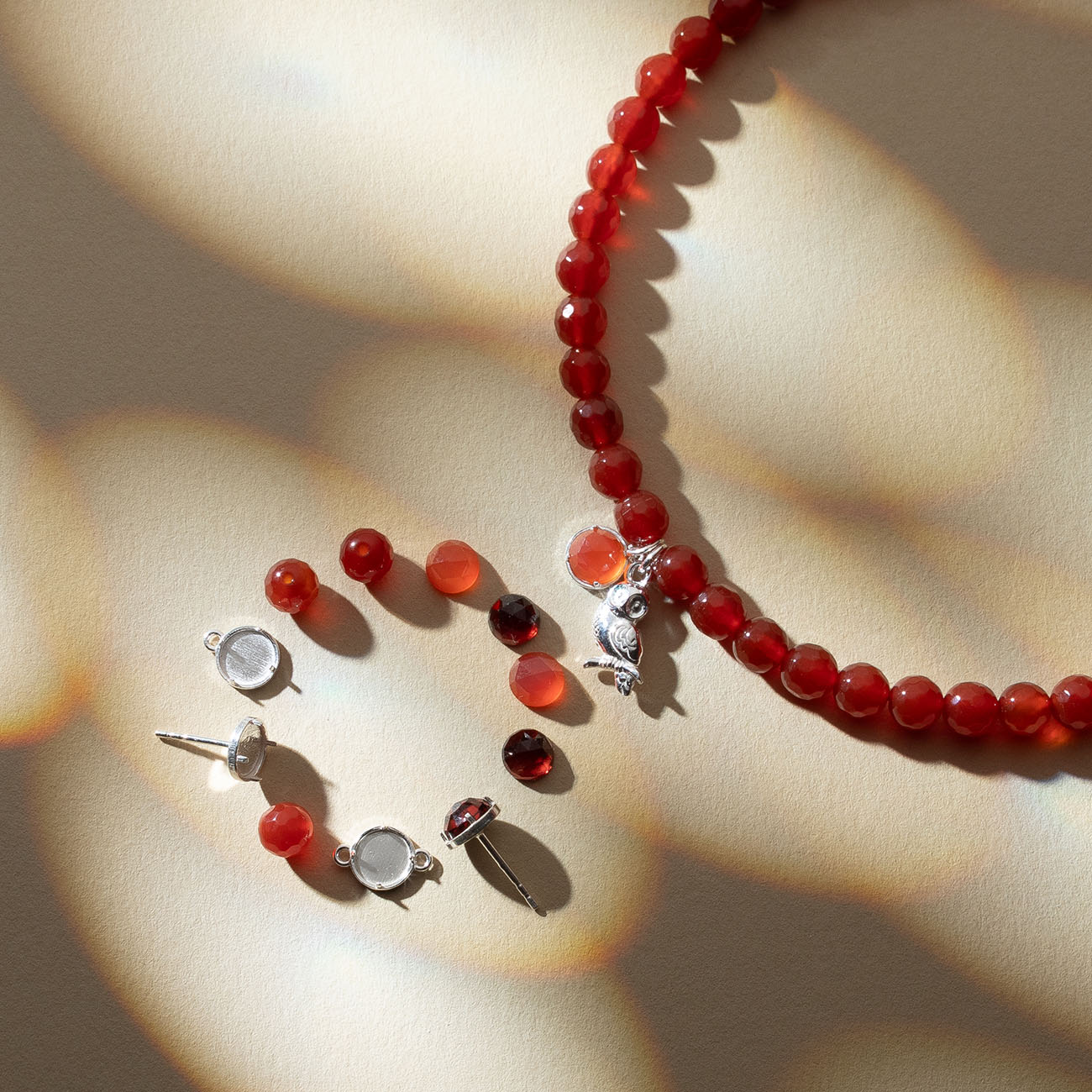
6 mm garnet beads create a stronger visual effect and work particularly well in beaded bracelets. You can string them onto flexible beading wire and finish the piece with correctly sized crimps and a lobster clasp. For personalization, attach a sterling silver initial, infinity charm, or zodiac pendant. These larger beads are also suitable for traditional gemstone strand necklaces. If you're working with a longer strand, consider adding a few silver accent beads to break up the continuous red color.
Design idea: Combine 6 mm garnet beads with a sterling silver clasp and a single symbolic charm for an elegant everyday bracelet.
Faceted Flat-Back Garnet Rosettes: Earrings and Rings
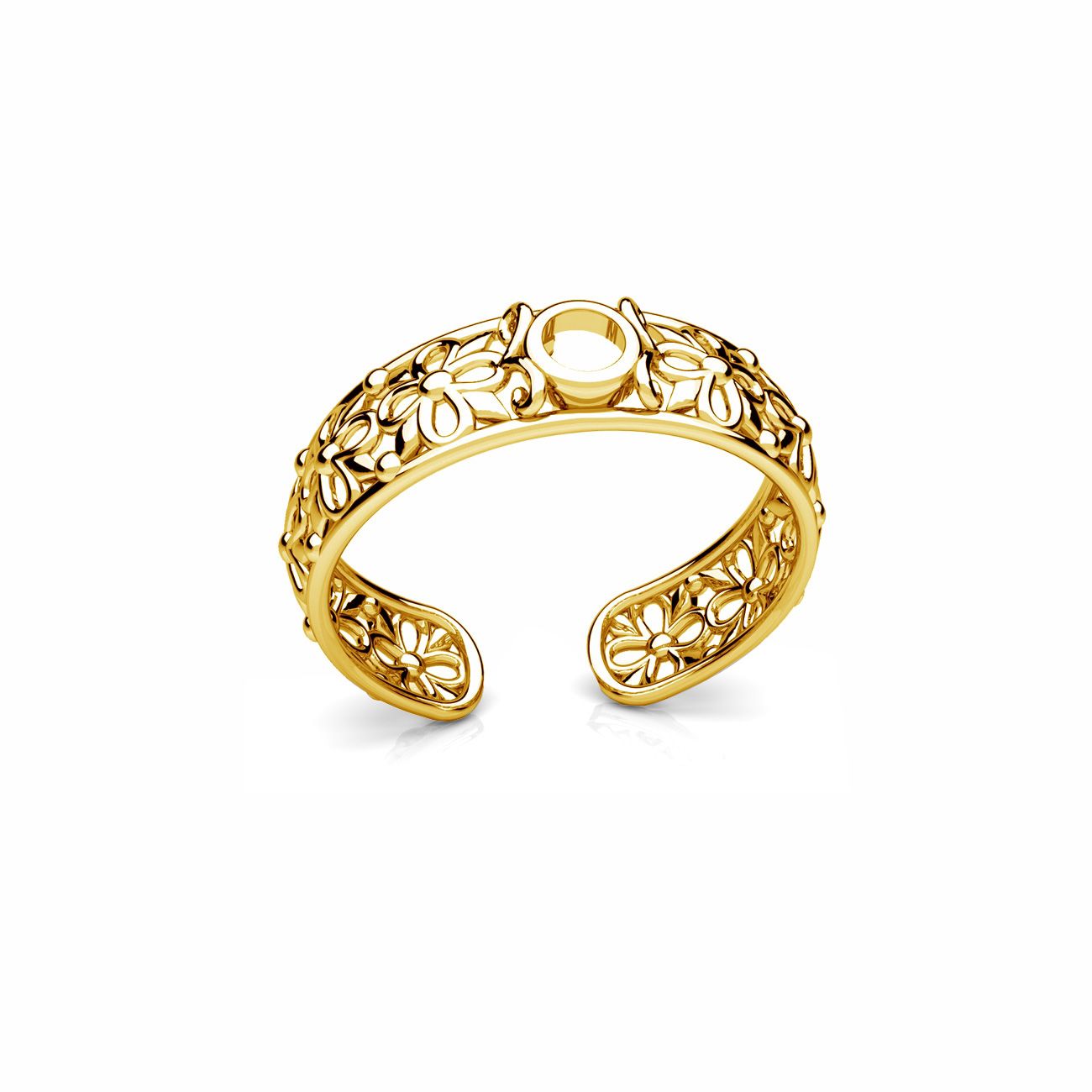
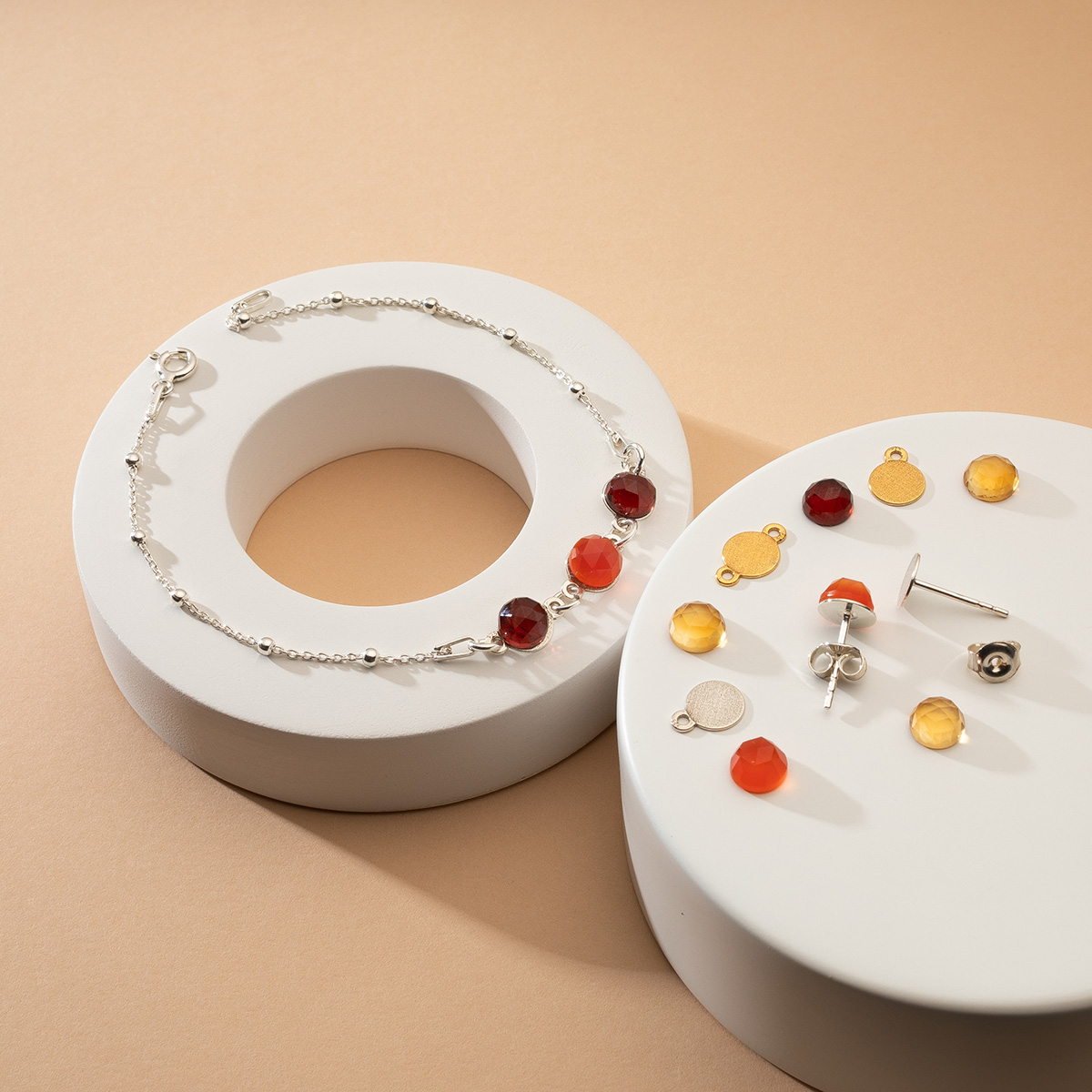
Faceted garnet rosettes with flat backs are particularly useful for jewelry settings designed for adhesive mounting. You can incorporate them into sterling silver stud earring bases, ring blanks, pendant plates, and decorative connectors. The faceted upper surface reflects light, while the flat base allows the gemstone to sit against a compatible mounting surface. Before attaching the stone, confirm that the dimensions match the setting and choose a jewelry adhesive suitable for the materials.
Design idea: Create minimalist garnet stud earrings using silver flat-pad settings or appropriately sized cups.
Round Pointed-Back Garnets: Classic Gemstone Settings
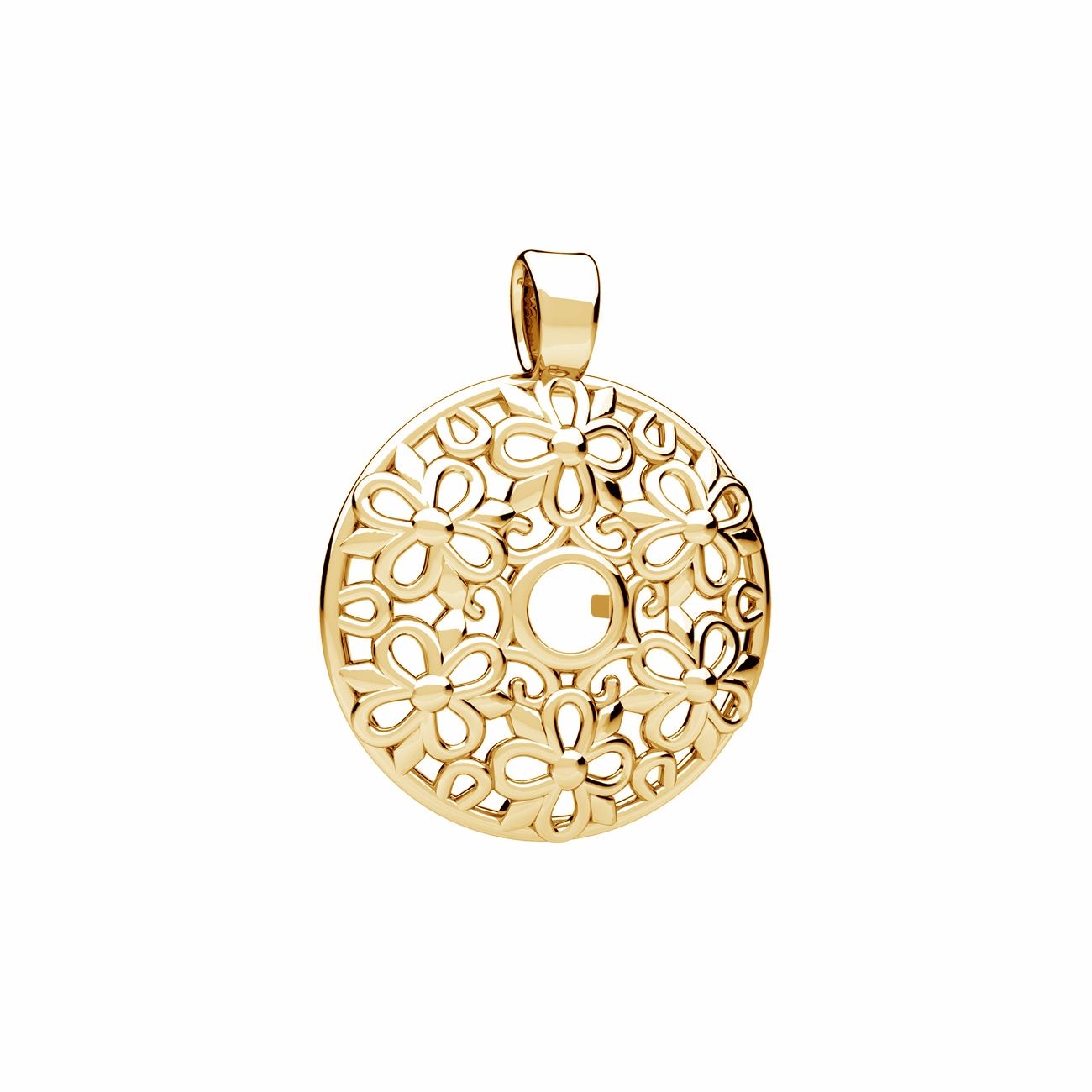
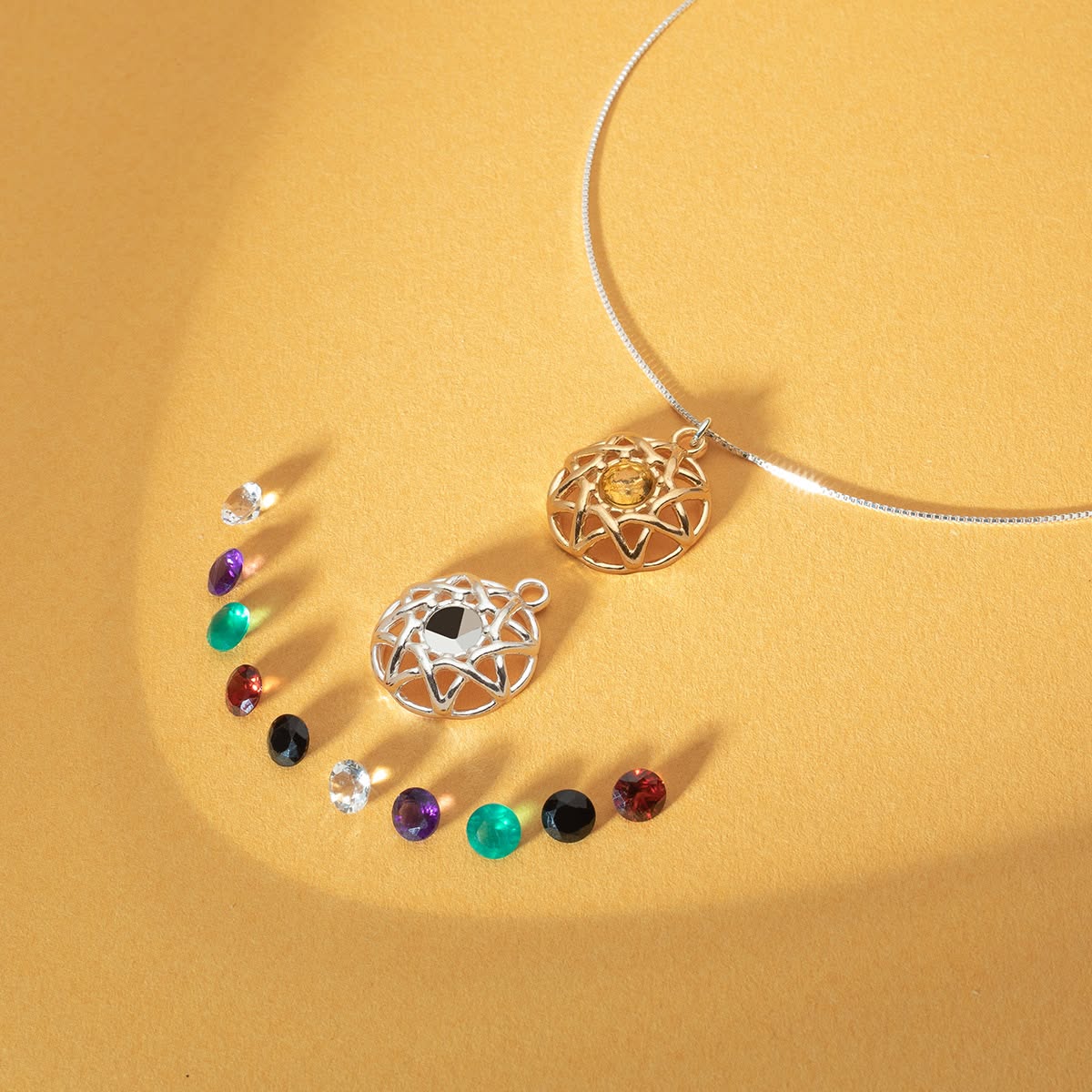
Round garnets with pointed backs are designed for settings that accommodate their depth. These stones are attractive in traditional stud earrings, rings, and gemstone pendants. For a delicate everyday piece, select a small faceted garnet and mount it in a compatible sterling silver setting. A matching pendant and pair of earrings can form a coordinated jewelry set. Unlike flat-back stones, pointed-back gems usually require a suitably designed setting. A flat adhesive pad may not provide the correct support.
Design idea: Use round pointed-back garnets in matching silver earring and pendant settings to create a coordinated gift set.
Oval Pointed-Back Garnets: Vintage-Inspired Jewelry
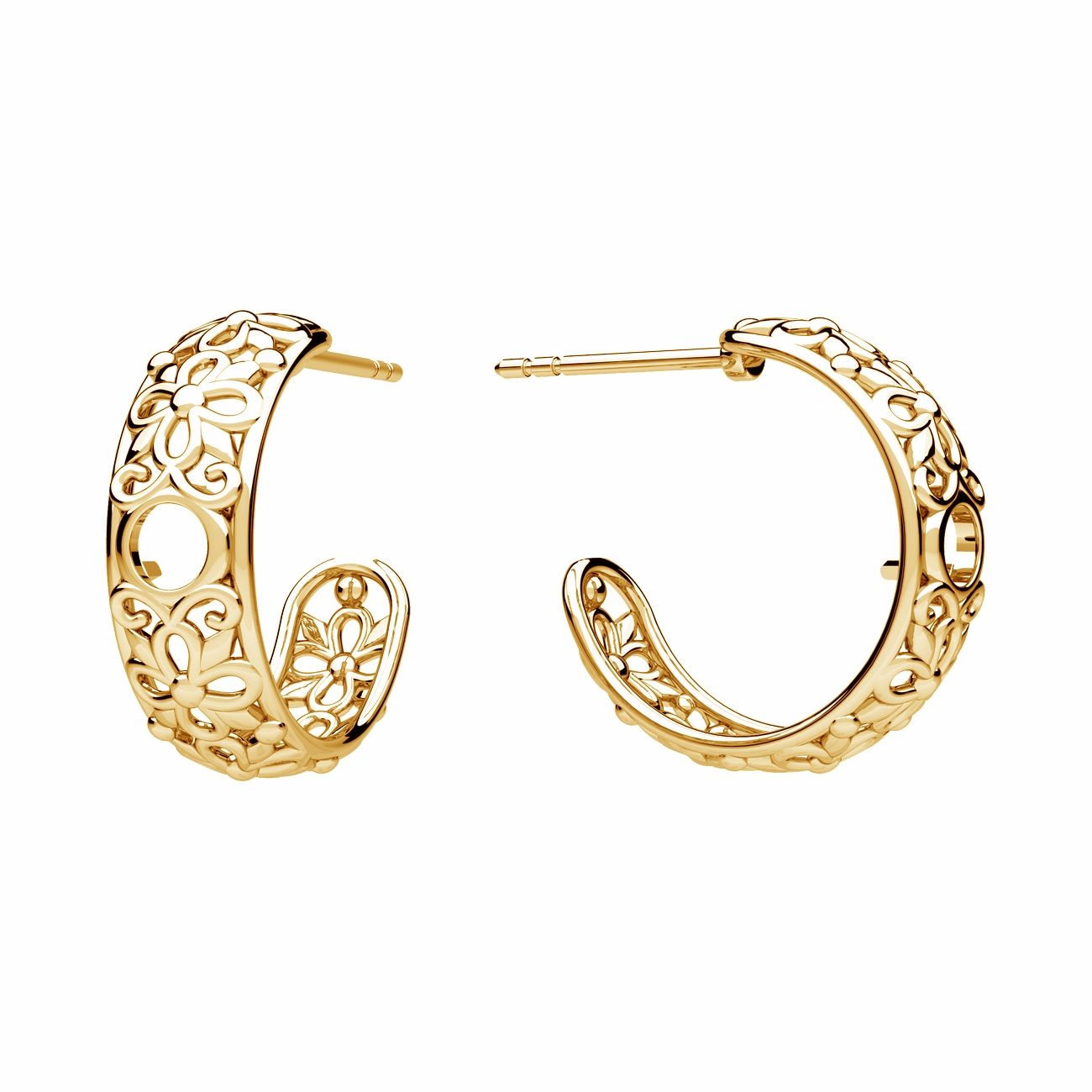
Oval gemstones are particularly attractive in traditional and vintage-inspired designs. Their elongated shape can create a flattering visual effect in rings and pendants. You could mount an oval garnet in a silver ring setting or suspend a compatible oval gemstone setting from an elegant pair of leverback earrings. Yellow gold is another excellent choice if you're aiming for a richer, more traditional appearance.
Design idea: Create vintage-inspired drop earrings using oval garnets in suitable settings and sterling silver leverbacks.
Garnet Spike Pendants: Contemporary Necklaces
Elongated garnet drops, sometimes described as gemstone spikes, points, or icicle-shaped pendants, create a distinctive geometric effect. If the stone has an appropriate drilled hole, you can attach it using a compatible jewelry pin, connector, or pendant bail. Suspend the finished pendant from a delicate sterling silver cable chain or rolo chain. For a more dramatic design, use two matching gemstone drops to create dangling earrings. Their elongated silhouette works particularly well with minimalist clothing and layered necklace styling.
Design idea: Make a contemporary necklace featuring a single garnet spike pendant on a sterling silver chain.
Garnet Cufflinks and Unisex Jewelry
Garnet isn't limited to traditionally feminine accessories. Round or oval stones mounted in suitable cufflink settings can become elegant additions to formal clothing. Dark red garnet contrasts beautifully with polished sterling silver, particularly in simple geometric designs. You can also combine small garnet beads with black onyx and silver components to make a unisex bracelet.
Choosing the Right Jewelry Findings
The success of your gemstone jewelry depends on more than the stone itself. Before assembling your design, check the size and construction of the setting, the weight of the gemstone, and the strength of the connecting elements. At 925CRAFT, you'll find sterling silver and gold jewelry findings that can support a wide variety of jewelry making projects, from simple gemstone pendants to more elaborate earrings and rings.
9. How to Identify Natural Garnet and Evaluate Quality
When buying garnet gemstones, examine their color, clarity, cut, and overall condition. These characteristics influence the stone's appearance and suitability for jewelry.
Evaluate Garnet Color
Color is one of the most important factors in choosing garnet. For red garnets, look for an attractive, reasonably even color that remains visible under ordinary lighting conditions. Some very dark specimens may look almost black except under strong illumination. If possible, examine the stone in both daylight and indoor lighting before selecting it for a jewelry project.
Look at Clarity and Inclusions
Natural gemstones may contain internal characteristics known as inclusions. These can provide clues about formation and sometimes help gemologists identify a gemstone. However, the absence of visible inclusions doesn't mean a stone is artificial. Many red garnets appear very clean to the unaided eye.
Check the Quality of the Cut
A well-cut gemstone should have an attractive overall shape, neatly finished surfaces, and proportions suited to its intended setting. When working with calibrated stones, accurate dimensions are particularly important. A stone may have the correct nominal width but a depth that makes it unsuitable for a particular mounting.
Can Garnet Be Confused with Ruby?
Yes. Red garnet can resemble ruby, red spinel, and various gemstone imitations. Color alone isn't enough to identify a gemstone reliably. Professional identification may involve measuring optical properties, examining inclusions, and testing other gemological characteristics. Avoid destructive scratch tests on finished jewelry. For valuable gemstones, consult a qualified gemologist or reputable laboratory.
Are Garnets Treated?
Many garnets are sold without treatment because their natural colors are already attractive. However, some garnets may undergo treatments, including rare clarity-enhancing procedures. Reliable sellers should disclose known treatments that require special care or affect the gemstone's value.
10. How to Clean and Care for Garnet Jewelry
Proper care helps maintain a garnet's natural appearance and protects the jewelry findings holding it in place. The most suitable cleaning method depends on both the gemstone and the construction of the finished piece.
How Do You Clean Garnet Safely?
For most untreated garnets, warm water with a small amount of mild soap is a suitable cleaning method. Gently remove dirt using a soft cloth or suitable soft brush. Rinse carefully and dry thoroughly. If the gemstone is glued into a setting, consider the adhesive and any other delicate components before exposing the entire piece to water.
What Should You Avoid?
Avoid strong impacts, harsh chemicals, and sudden temperature changes. Steam cleaning isn't recommended for garnet jewelry. Ultrasonic cleaning may be suitable for some sound, untreated garnets, but it's inappropriate for stones with fractures or certain treatments. If you're uncertain about the stone or its setting, choose gentle manual cleaning instead.
How Should You Store Garnet Jewelry?
Keep your garnet jewelry in a soft pouch or a separate compartment of your jewelry box. Harder gemstones, particularly diamonds and sapphires, can scratch garnet when stored together. Garnet itself can also scratch softer materials such as pearls. If you're selling handmade garnet jewelry, include simple care instructions with the finished product. It's a small professional detail that can help customers maintain their jewelry correctly.

- Use different garnet bead sizes strategically - Choose 3 mm beads for delicate necklaces and 6 mm beads for more noticeable bracelets, creating a coordinated collection without purchasing many different gemstone types.
- Buy jewelry findings directly from a manufacturer - Compare suppliers such as 925CRAFT to source compatible sterling silver and gold components and potentially reduce purchasing costs.
- Choose ready-made gemstone settings - Ring blanks, earring settings, and pendant bases can save assembly time and eliminate the need to fabricate every mounting from scratch.
- Match gemstones to settings before ordering - Check dimensions carefully to reduce waste from incompatible stones and jewelry findings.
- Create versatile jewelry designs - A delicate garnet necklace can work as everyday jewelry, a January birthstone gift, or a symbolic anniversary present.
Conclusion: Discover Garnet Jewelry with 925CRAFT
Garnet is a versatile natural gemstone with a fascinating history, attractive physical properties, and meaningful symbolism. Its familiar deep red color has inspired jewelry designers for centuries, while the wider garnet family offers an extraordinary variety of shades and visual effects. Whether you're designing delicate earrings, gemstone rings, elegant necklaces, or handmade bracelets, garnet gives you countless creative possibilities. By selecting appropriate 925 sterling silver and 14K gold jewelry findings, you can create jewelry that combines beautiful gemstones with carefully considered construction. Explore the 925CRAFT range of jewelry making components and discover how drilled garnet beads, faceted flat-back stones, pointed-back gemstones, and elongated drops can become the starting point for your next collection. Experiment with proportions, explore complementary gemstones, and choose designs that allow the beauty of garnet to take center stage. Sometimes a single deep red gemstone is all you need to give an entire piece of jewelry its character.
FAQ – Frequently Asked Questions About Garnet
Want to know more?
- Find out: Swarovski crystals – how to check if they are original?
- Read the article: Types of jewelry clasps
- Get inspired: How to make jewelry for communion
- Check out also: The most fashionable hoop earrings – discover the jewellery supplies
- Discover: Jewelry services – electroplating silver and gold