LESSON 3: SELECTING METAL ALLOYS FOR PEOPLE WITH ALLERGIES. WHAT ARE METAL CONTACT ALLERGIES, HOW TO PREVENT THEM, AND HOW TO GUIDE CLIENTS TO SAFE, HYPOALLERGENIC JEWELLERY.
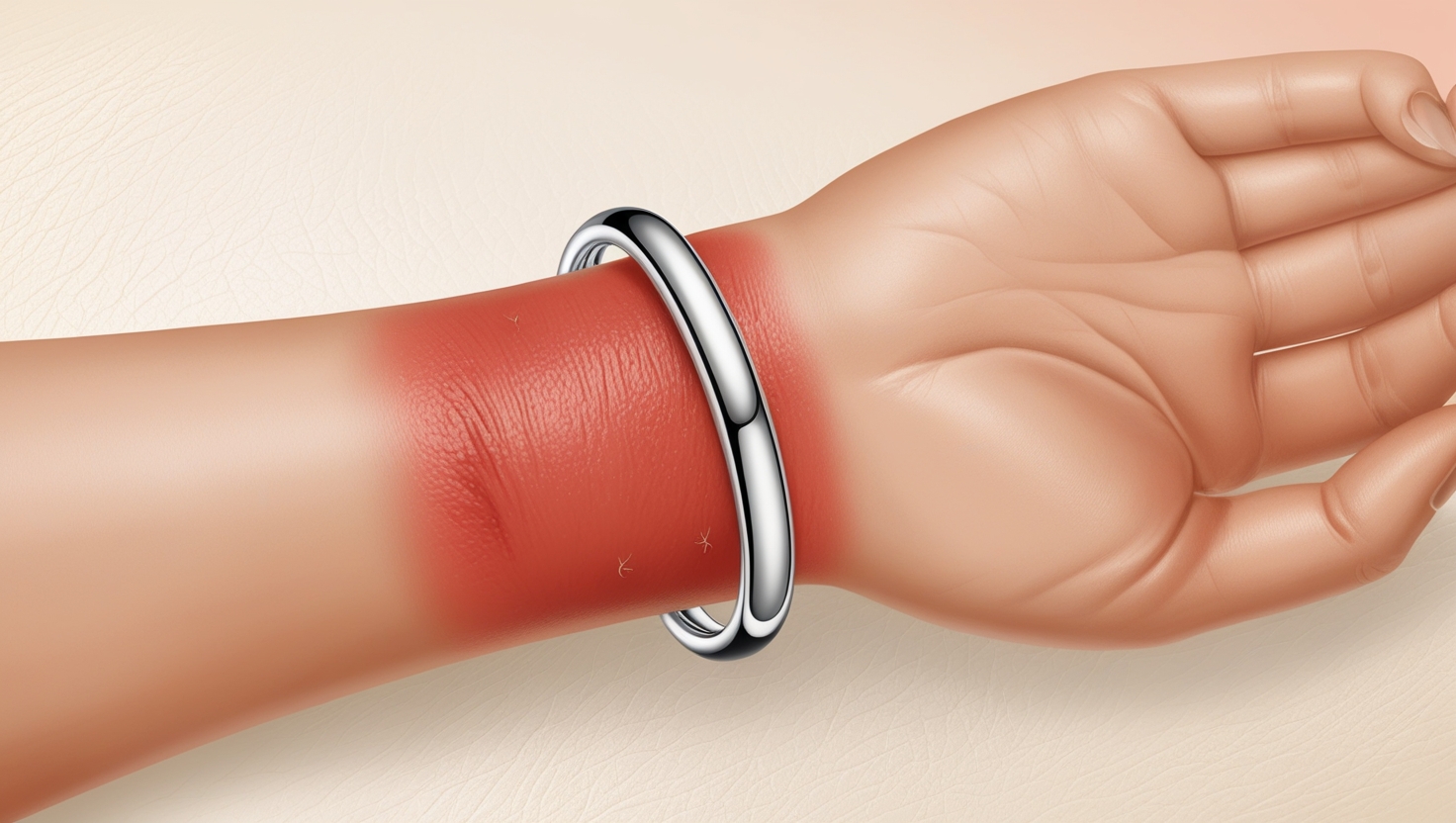
Jewelry has fascinated humanity for centuries with its beauty and symbolism, yet for some people, contact with certain metals can cause discomfort. Imagine a customer who buys a dream ring only to experience itching and burning the same day.
Today’s jewelry market values not only stunning design, but also comfort, safety and hypoallergenic materials. That’s why this workshop will help you understand which metal alloys are safe for sensitive skin, how to avoid allergic reactions, and how to gain deeper trust from your customers.
INTRODUCTION TO THE JEWELLERY COURSE
Contents
- 1 INTRODUCTION TO THE JEWELLERY COURSE
- 2 MODULE 1: THE BASICS OF METAL ALLERGIES
- 3 MODULE 2: OVERVIEW OF METALS & ALLOYS – WHICH ARE BEST FOR ALLERGY-PRONE CUSTOMERS?
- 4 MODULE 3: PRACTICAL GUIDELINES FOR SELECTING SAFE MATERIALS
- 5 MODULE 4: CUSTOMER SERVICE – HOW TO GUIDE ALLERGY-PRONE CLIENTS
- 6 TRAINING SUMMARY
- 7 Want to know more?
- 8 Stay up to date
Let’s begin with why every jeweler and jewelry maker should understand metal allergies. Jewellery has always held social, cultural and financial significance. Today, clients expect not only premium quality and refined jewellery design but also hypoallergenic, skin-safe jewelry—especially when investing in silver, gold or platinum.
Training goals:
Understand what metal contact allergies are and which alloys most commonly cause reactions.
Learn about hypoallergenic metals recommended for clients with sensitive skin.
Discover how to professionally advise customers to avoid complaints, returns and negative experiences.
Mastering these principles builds long-term trust and strengthens your reputation as a responsible jewellery business.
This workshop consists of 4 modules.
MODULE 1: THE BASICS OF METAL ALLERGIES
Where do contact allergies come from?
Most allergic reactions are caused by nickel, which remains the most common metal allergen worldwide. Even though EU regulations limit nickel release from alloys, the problem still exists and cannot be fully eliminated. Symptoms range from mild redness to intense itching and burning.
Most common allergens in jewelry:
Nickel — the leading cause of metal allergies.
Cobalt and chromium — less common, but still capable of causing reactions.
Legal regulations – why you must know them
In Poland and across the EU, strict rules regulate nickel content and release. Knowing basic hallmarking and metal compliance rules helps avoid legal issues and ensures your customer receives safe, hypoallergenic jewelry.
MODULE 2: OVERVIEW OF METALS & ALLOYS – WHICH ARE BEST FOR ALLERGY-PRONE CUSTOMERS?
High-karat gold (18K, 22K)
Gold has always symbolized prestige. Higher karats contain fewer alloying metals, reducing allergy risk. With white gold, it’s essential to check whether nickel or palladium was used—palladium alloys are more hypoallergenic.
Platinum
Considered the pinnacle of luxury and one of the most hypoallergenic metals available. Very rarely causes irritation.
Palladium
Less common than platinum but highly valued for clients seeking hypoallergenic white metals.
Titanium and niobium
Known in medical applications for being extremely biocompatible. Titanium is strong, lightweight and ideal for sensitive-skin jewellery. Niobium is less common but excellent for highly allergic individuals.
Surgical stainless steel (316L)
Often marketed as hypoallergenic, but still contains small amounts of nickel. Because nickel release is low, many people tolerate it well—but for nickel-sensitive clients, irritation may still occur. Always inform customers honestly.
MODULE 3: PRACTICAL GUIDELINES FOR SELECTING SAFE MATERIALS
Hallmarks, alloy markings and composition
Just like with hallmarking and assay marks, you should know the meaning behind each number:
750 = 18K gold
950 = platinum
Always check manufacturer specifications and communicate openly with clients.
Plating (rhodium, gold plating)
Rhodium plating can provide a temporary protective barrier, but it wears off with time, revealing the base alloy. Clients must be informed about maintenance and wear.
Skin test recommendations
For highly sensitive customers, you may suggest a short “wear test” to check if any irritation occurs.
Customized designs
Clients with strong allergies often prefer custom jewelry in specific metals (e.g., titanium or platinum). If you run a workshop or handmade studio, you can offer fully personalized hypoallergenic jewelry.

MODULE 4: CUSTOMER SERVICE – HOW TO GUIDE ALLERGY-PRONE CLIENTS
Honest communication
Ask about past reactions:
Have they worn stainless steel?
Do they react to low-karat gold?
Have they experienced nickel allergy symptoms before?
This helps you identify safe options.
Highlight benefits
Explain that choosing platinum, palladium or high-karat gold is an investment in long-term comfort and safety.
Extra precautions
For customers with extreme sensitivities, suggest titanium or niobium and avoid all nickel-containing alloys.
Building your professional reputation
Transparent communication about alloy content, plating durability and allergy risks builds authority and customer loyalty. Satisfied clients return and recommend your brand.
TRAINING SUMMARY
Choosing the right materials in jewellery making is not only about style—it’s about health, comfort and long-term satisfaction. People with allergies can enjoy beautiful jewelry as long as you guide them toward safe alloys such as:
High-karat gold (without nickel)
Platinum
Palladium
Titanium
Niobium
Or, when appropriate, carefully selected 316L steel
Clients appreciate expertise, honesty and individualized support. By offering hypoallergenic, skin-friendly solutions, you elevate your brand, reduce returns, and build a reputation based on trust.
In our offer, you will also find high-quality hypoallergenic jewellery making components such as jump rings, ring-making supplies, eye pins, stone settings, earring findings, clasps, bracelet chains, pendants, charms, necklace components, as well as gemstones, beads, pearls, crystals, chains by the meter, wires, and professional soldering components. Explore our sterling silver and gold findings at 925CRAFT.
Want to know more?
- Find out: Angel Pendant, Silver, Gold – Manufacturer Professional jewelry guide for creators and jewelry brand owners
- Read the article: Natural stones for jewelry making
- Get inspired: New jewelry findings by 925CRAFT – silver settings for stones and crystals
- Check also: Pearl settings – how to make jewelry with pearlsim
- Discover: Zodiac silver pendants and celestial jewelry findings