TRAINING 22: JEWELRY TOOL MAINTENANCE & CARE

INTRODUCTION

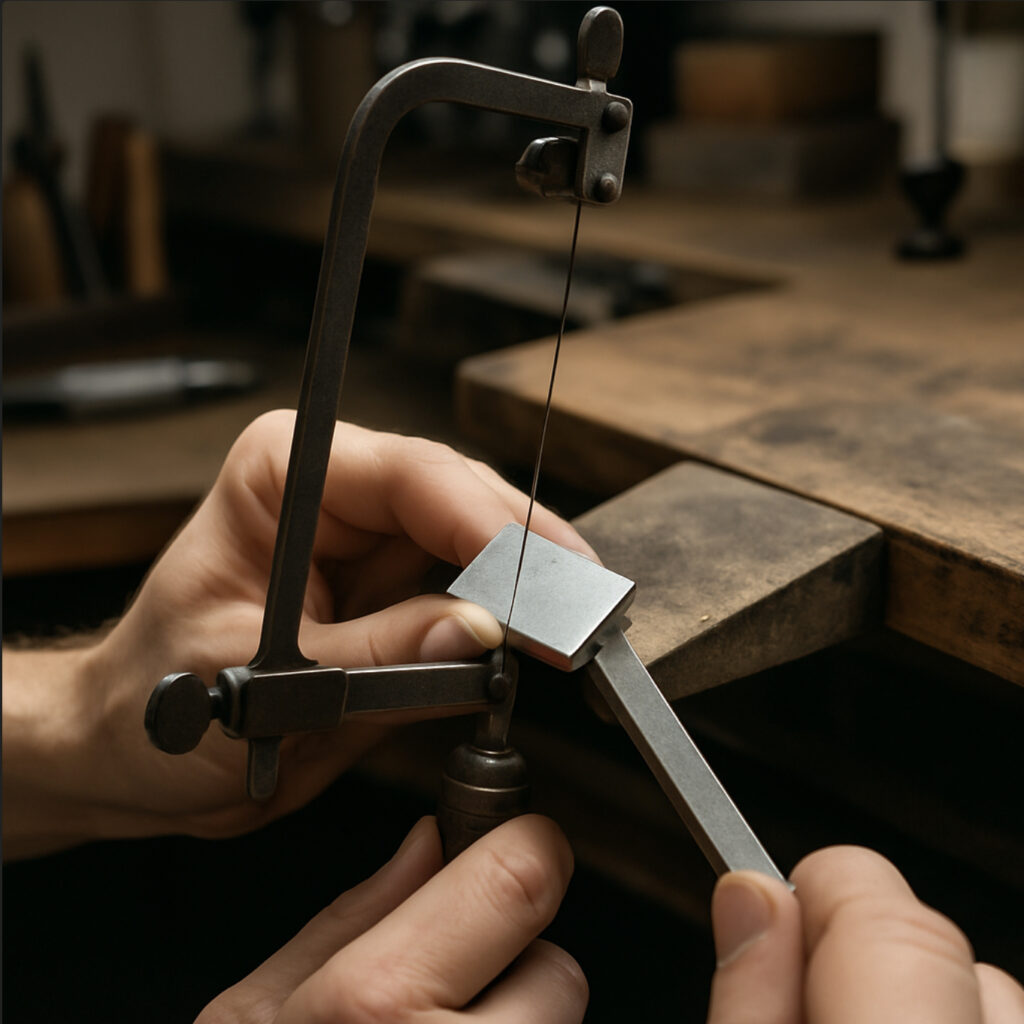
Regular jewelry tools care is non-negotiable – it directly affects precision, workshop safety, and real long-term savings. In this jewellery making training, you’ll learn how to build a simple daily and periodic care routine that extends the life of your pliers, files, burs, micro-motors, and every essential tool used in jewellery making techniques.

Jewelry Online Course Goals

  • Understand why tool care is a responsibility, not an option.

  • Learn the maintenance needs of different tool categories (hand tools, cutting tools, rotary tools, measuring tools).

  • Create a daily, weekly, and monthly routine for cleaning, lubrication, and storage.

  • Identify common mistakes and learn how to avoid them.

  • Build your own starter maintenance kit for jewelry making tools.

This jewelry workshop is divided into 6 modules that walk you step by step through caring for tools used in making jewellery at home and in a professional studio.

MODULE 1: WHY JEWELLERY TOOL CARE MATTERS

The role of tools in jewellery making

  • Precision and finish quality – clean cuts, smooth surfaces, accurate dimensions.

  • User safety – well-maintained tools reduce slips, breakage, and accidents.

  • Efficiency – fewer corrections, fewer remakes, faster workflow.

What happens when jewellers neglect maintenance

  • Rust and corrosion (especially in humid environments).

  • Dull edges and uneven cutting/sanding results.

  • Metal dust and polishing compounds transferring onto finished jewellery.

The real cost

  • Replacing a full tool set vs. the small cost of oil and microfiber cloths.

  • Jewellery production downtime when a tool fails at the wrong moment.

Jewellery making psychology

  • Well-kept tools = more satisfaction, confidence, and a stronger professional mindset.

Conclusion:
Consistent, intentional tool care gives you precision, safety, and savings – while helping you work like a pro every day.

jewellery design
stone setting
making your own jewellery

MODULE 2: TOOL CATEGORIES & THEIR MAINTENANCE NEEDS

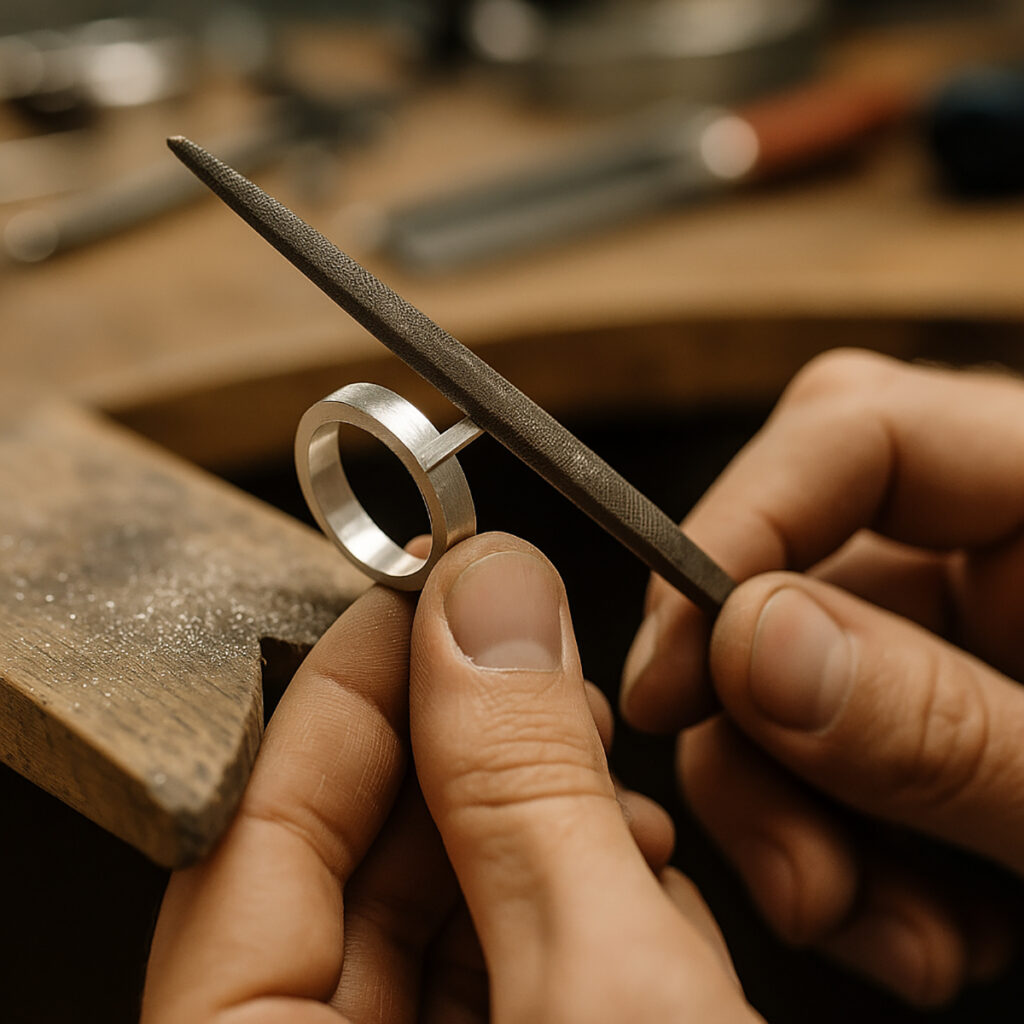
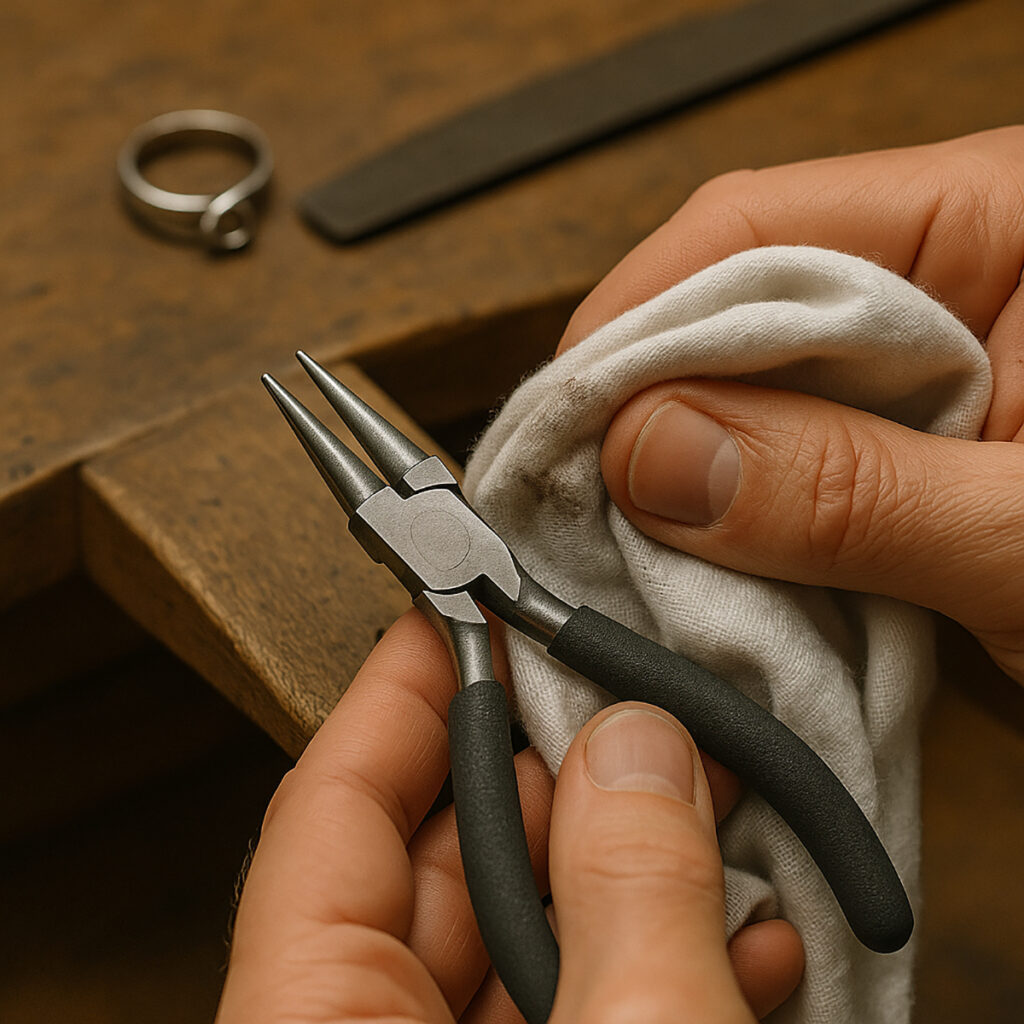
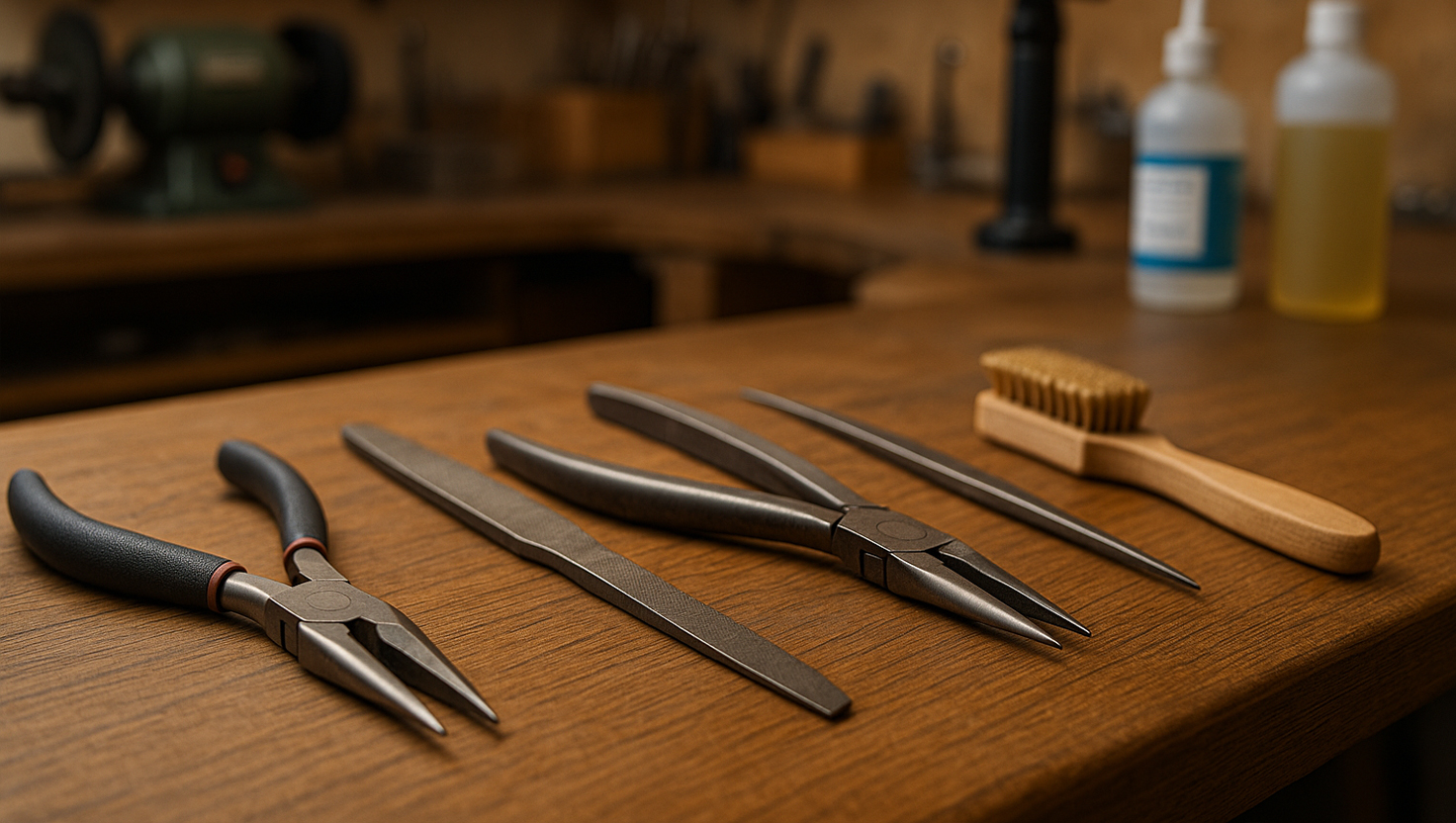
Hand tools (jewellery pliers, files, tweezers)

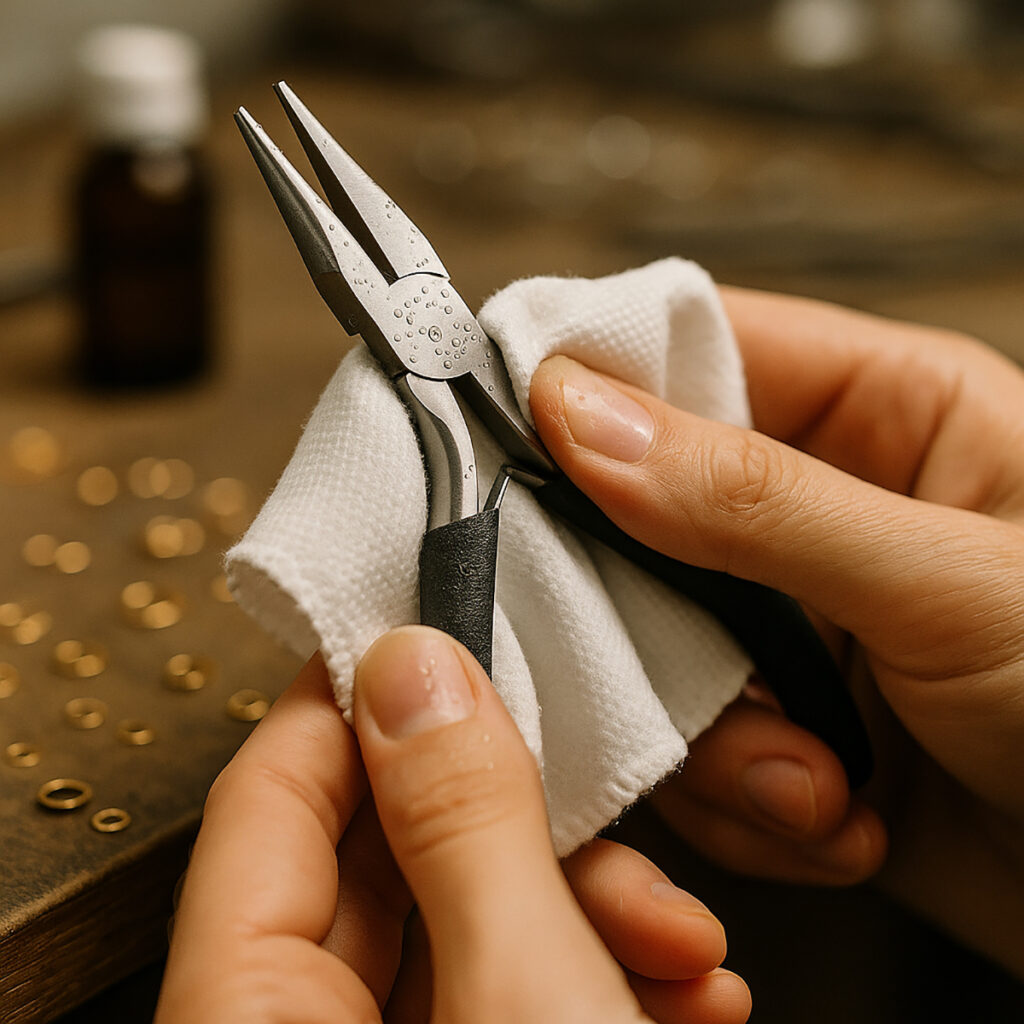
  • Wipe after every use with a microfiber cloth.

  • Lubricate joints/pivots with light machine oil.

  • Store in separators, racks, or holders with tip protection.

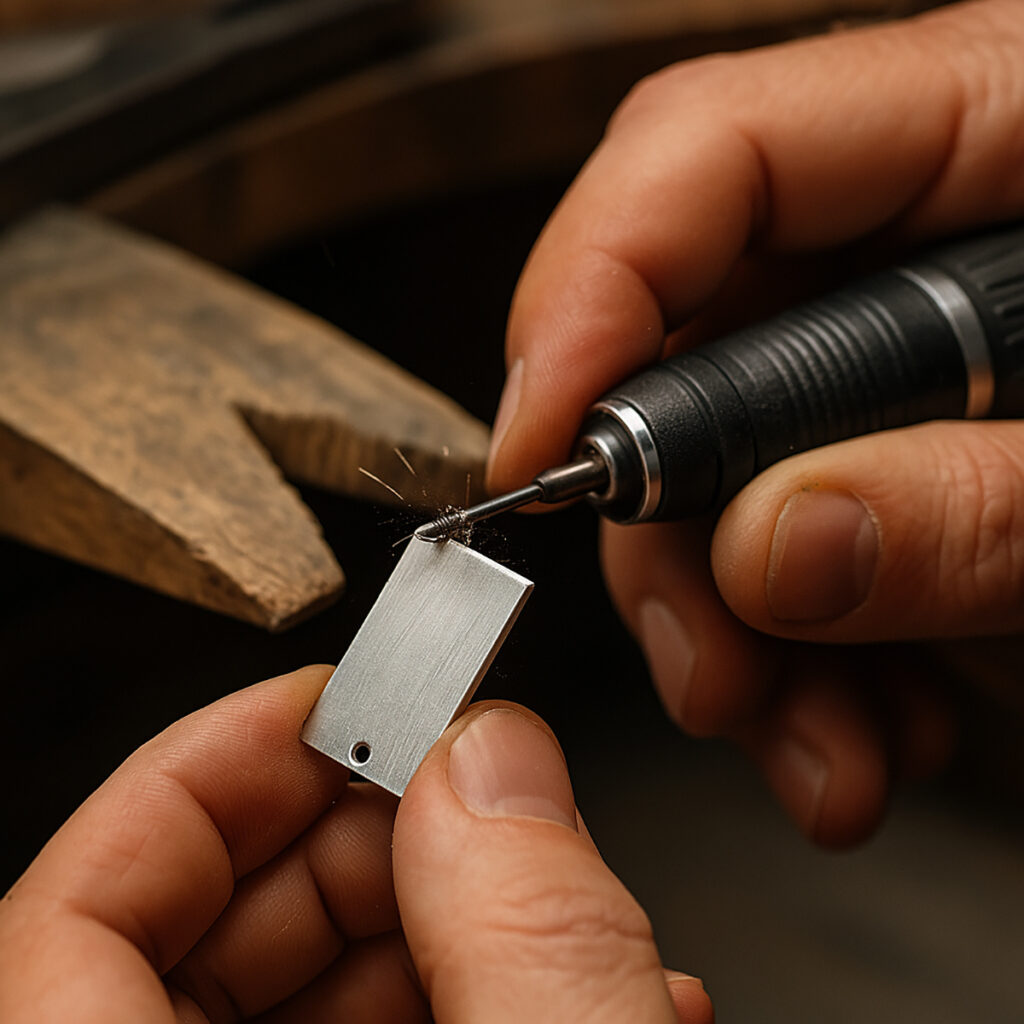
Cutting tools & abrasives (saw blades, drill bits, burs)

  • Remove metal dust using compressed air.

  • Lightly coat tips with paraffin oil (or similar protective oil).

  • Store in a dry place – humidity equals rust.

Rotary & mechanical tools (micro-motors, polishing machines)

  • Blow out dust regularly with compressed air.

  • Inspect cables, sockets, handpieces and chucks.

  • Replace collets and consumables according to the manufacturer’s instructions.

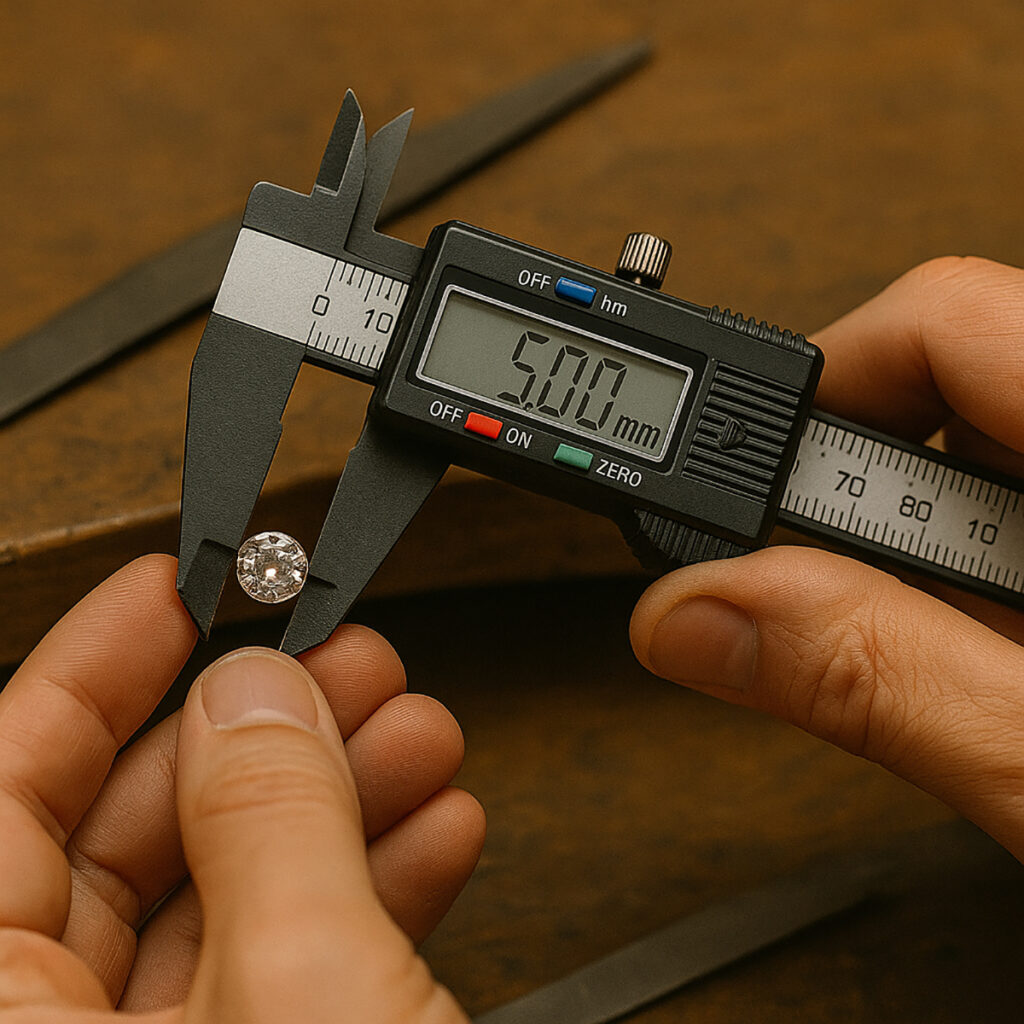
Measuring tools (calipers, micrometers)

  • Store in dry cases with a moisture absorber.

  • Calibrate periodically to keep measurements accurate.

  • Avoid contact with harsh chemicals.

Conclusion:
Each tool group needs its own cleaning, lubrication, and storage strategy – this is how you keep tools fully functional and accurate.

MODULE 3: WORKSHOP ORGANIZATION & ENVIRONMENT

  • How temperature and humidity affect metal tools and moving parts.

  • Why good lighting and ergonomics reduce tool wear (and mistakes).

  • Organization matters: a jewellery workshop isn’t a garage – every tool needs a home.

  • Clean vs. dirty zones: what to separate and how to label it properly.

Conclusion:
A controlled, well-organized workspace protects tools and speeds up jewellery making process.

MODULE 4: DAILY & PERIODIC MAINTENANCE ROUTINE

Daily

  • Wipe and put every tool back in its place.

  • Remove dust, metal filings, and polishing compound residue.

  • Protect cutting edges with a thin oil film or a silicone cover.

Weekly

  • Check for wear, looseness, and play in moving parts.

  • Lubricate joints, guides, and pivots.

  • Clean hard-to-reach areas properly.

Monthly

  • Perform a full check of mechanical tools.

  • Inventory spare parts and consumables.

  • Calibrate measuring tools and do minor maintenance tasks.

Conclusion:
A daily/weekly/monthly routine extends tool life and helps you spot wear early – before it becomes a problem.

jewellery masterpiece
jewellery making guidance
jewellery making practice

MODULE 5: COMMON JEWELRY TOOLS MAINTENANCE MISTAKES

  • Working with dirty tools that contaminate jewellery surfaces.

  • Putting tools away without cleaning them first.

  • Storing tools in damp drawers with no airflow.

  • Using one tool for everything (e.g., pliers instead of a hammer).

  • No labeling for tools dedicated to specific materials (cross-contamination).

Conclusion:
Avoiding these mistakes prevents expensive failures and protects the quality of your jewellery collection.

MODULE 6: STARTER KIT FOR JEWELLERY TOOL MAINTENANCE

  • Microfiber cloths.

  • Precision oils (Ballistol, WD-40 Specialist, paraffin oil).

  • A container with rice or silica gel (moisture control).

  • Compressed air (canned).

  • Brass and nylon brushes.

  • Compartment boxes and organizers.

  • Labels and markers.

Conclusion:
A complete starter kit gives jewellers everything needed for consistent, effective tool maintenance.

TRAINING FOR JEWELLERS SUMMARY

  • Clean, well-maintained jewellery tools deliver precision and safety.

  • Systematic care is far cheaper than constant replacement.

  • Workshop organization protects tools and improves jewellery making workflow.

  • Regular inspections help you catch wear early – before it becomes a real issue.

Tool care is an investment in your workshop and your future. Without reliable tools, you won’t reach true mastery – good luck keeping your equipment in top condition!

And while handmade jewellery is incredibly rewarding – and wide selection of jewellery supplies can be made at home – it often makes sense to use high-quality ready-made professional supplies to speed up production and achieve a consistent and well designed collection for your customers.

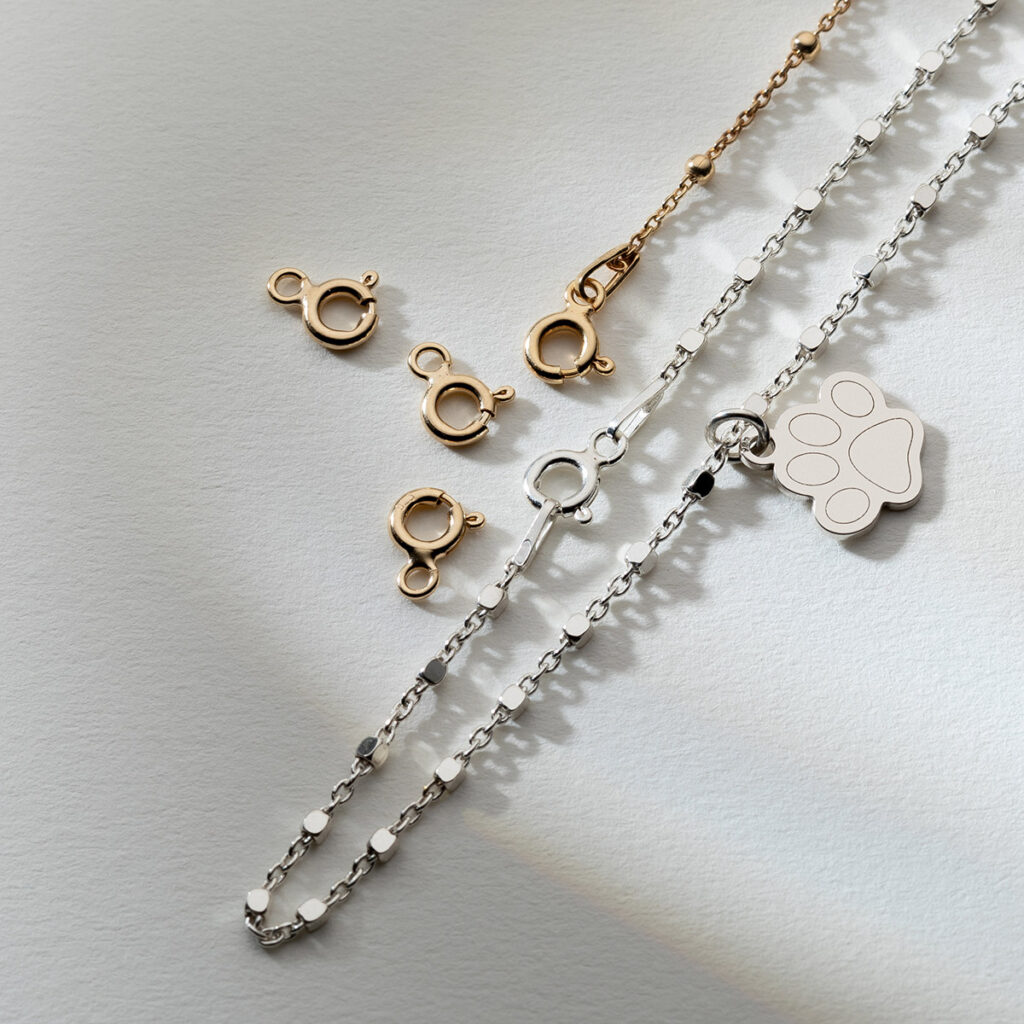
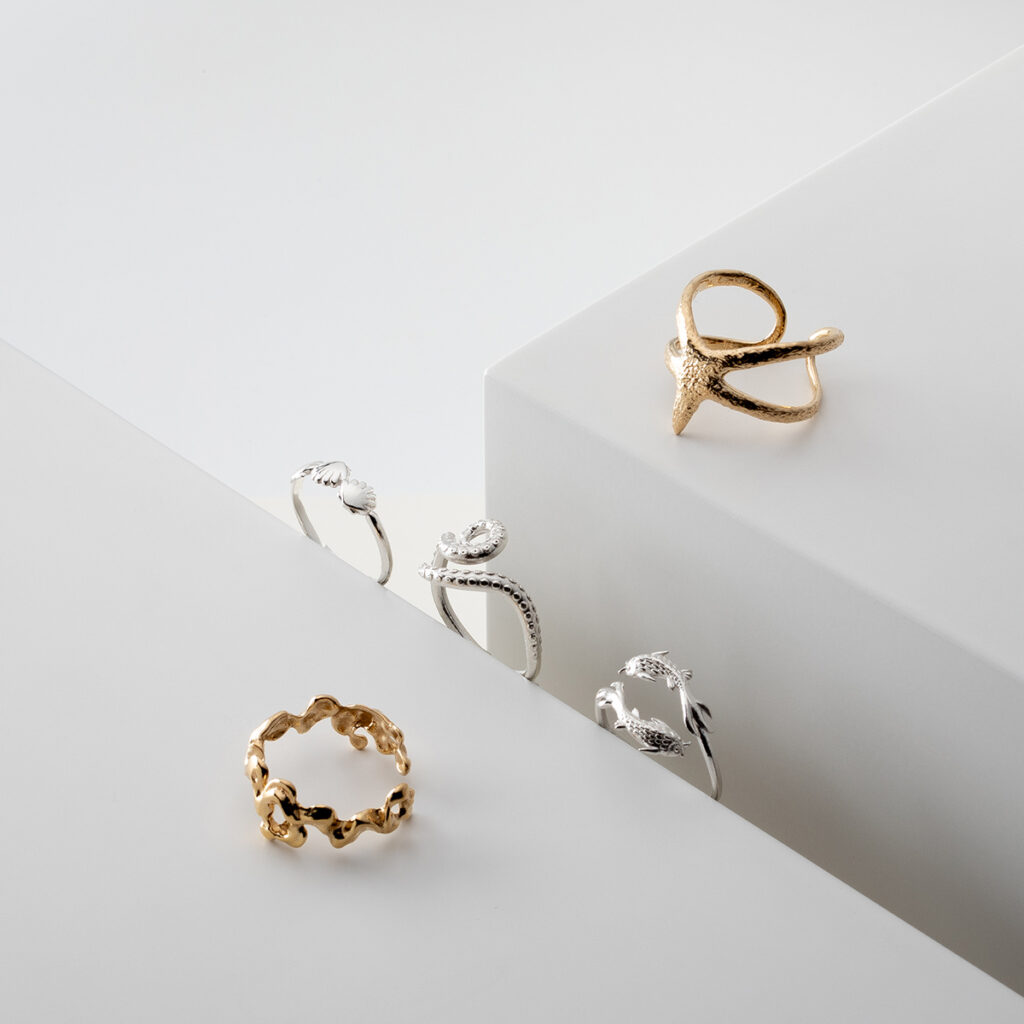
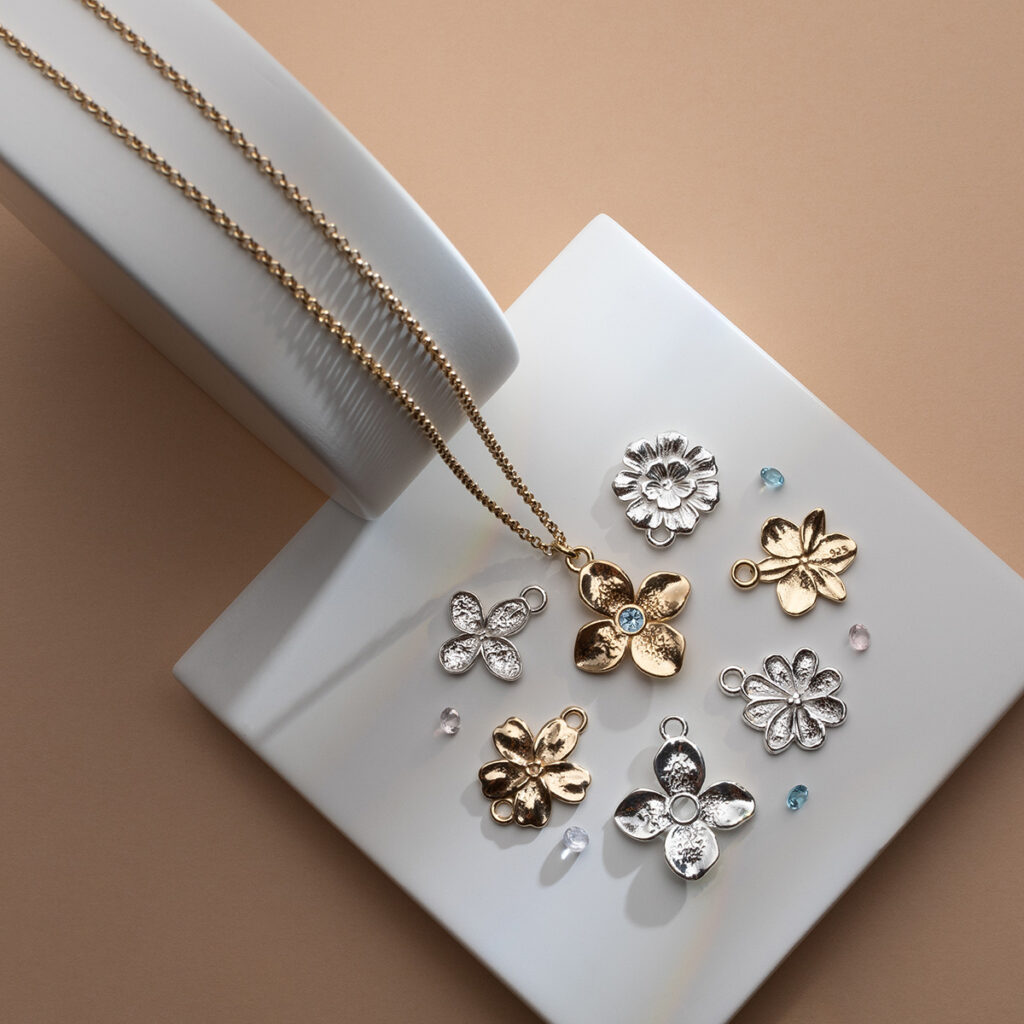
As a jewelry findings manufacturer, we offer headpins, necklace chains, charms (cast parts and laser-cut metal sheets), clasps, connectors, jump rings, earring posts and ear wires, ring blanks, wire wrapping wire, stone settings, as well as gold findings, gemstones, semi-precious stones, pearls, beads, crystals, and other professional jewelry-making supplies.

Discover high-quality 925CRAFT supplies, and start creating earrings, necklaces, bracelets, rings, cufflinks, and well designed, whole jewellery collections – saving time while achieving a professional result.

Stay up to date


Do you have any questions? Leave them in the comments below and we’ll be happy to help!