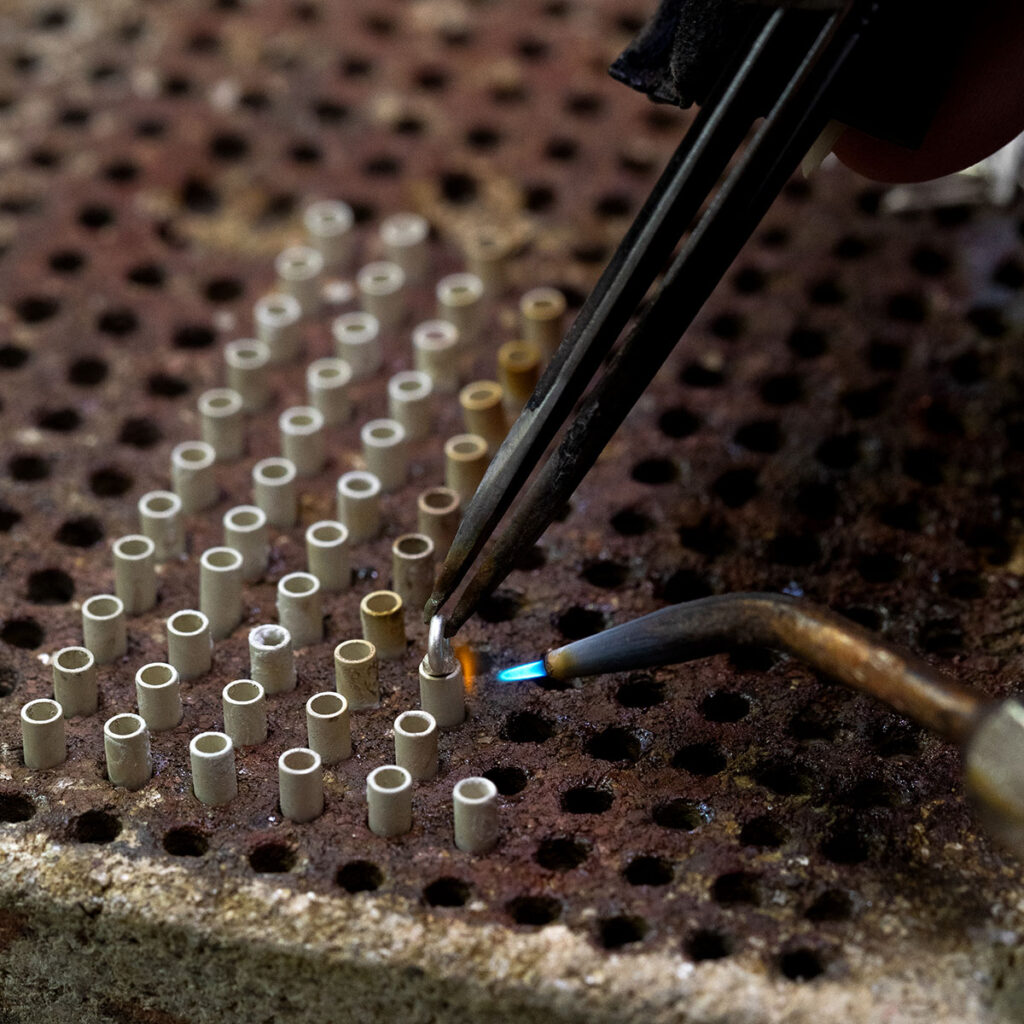
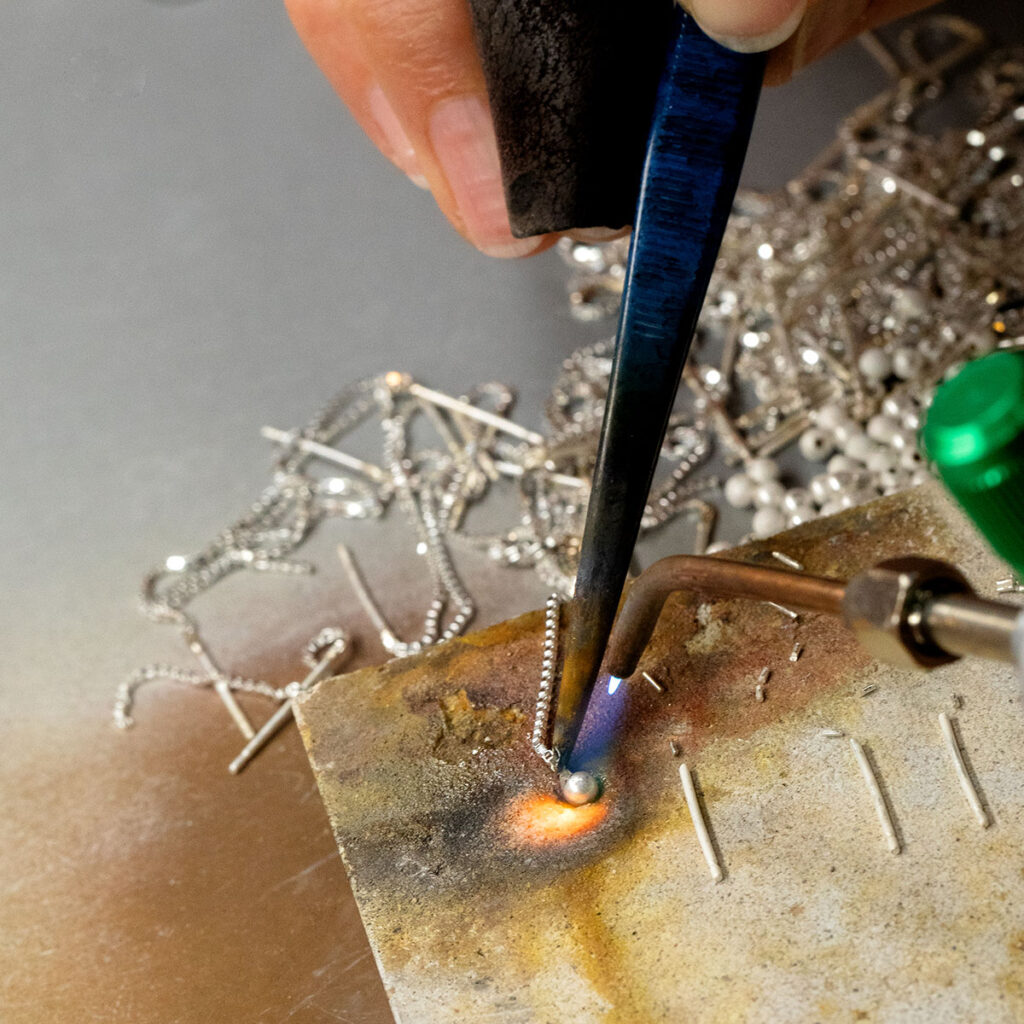
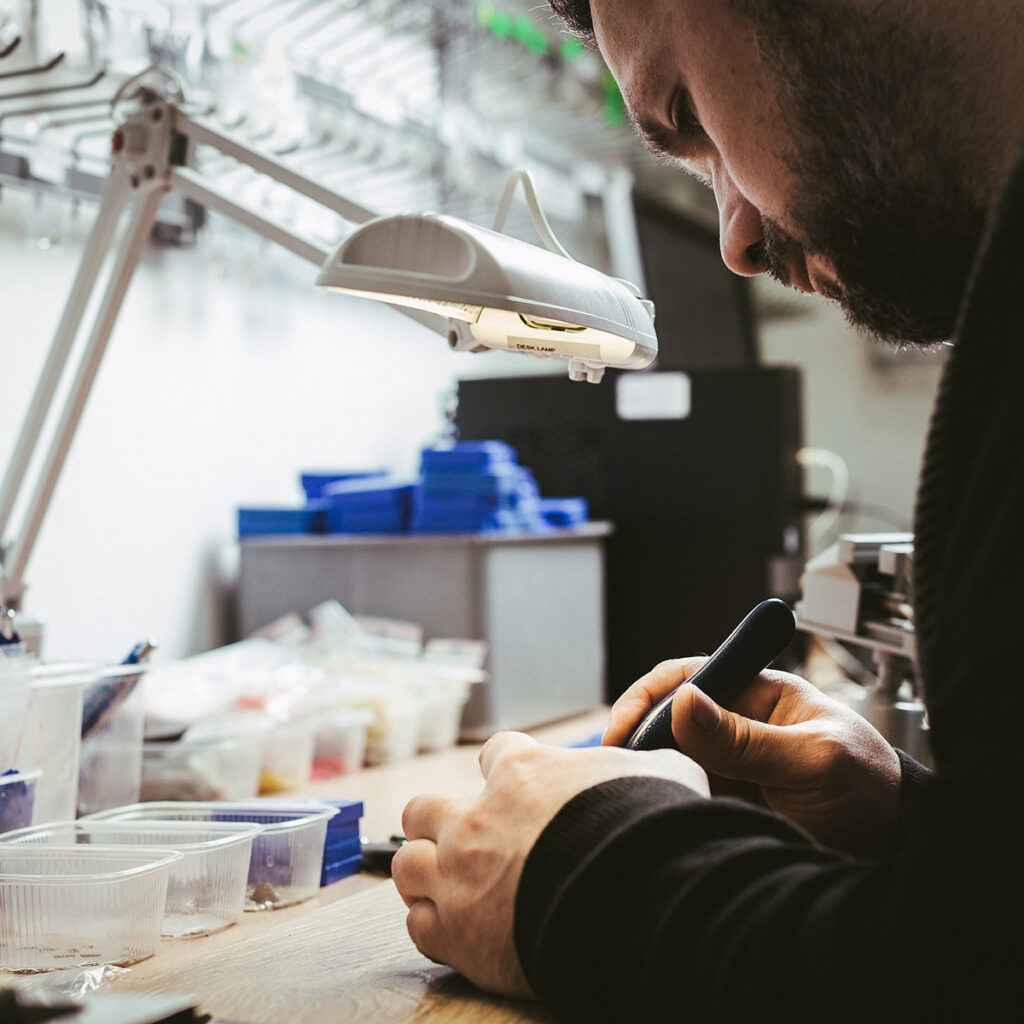
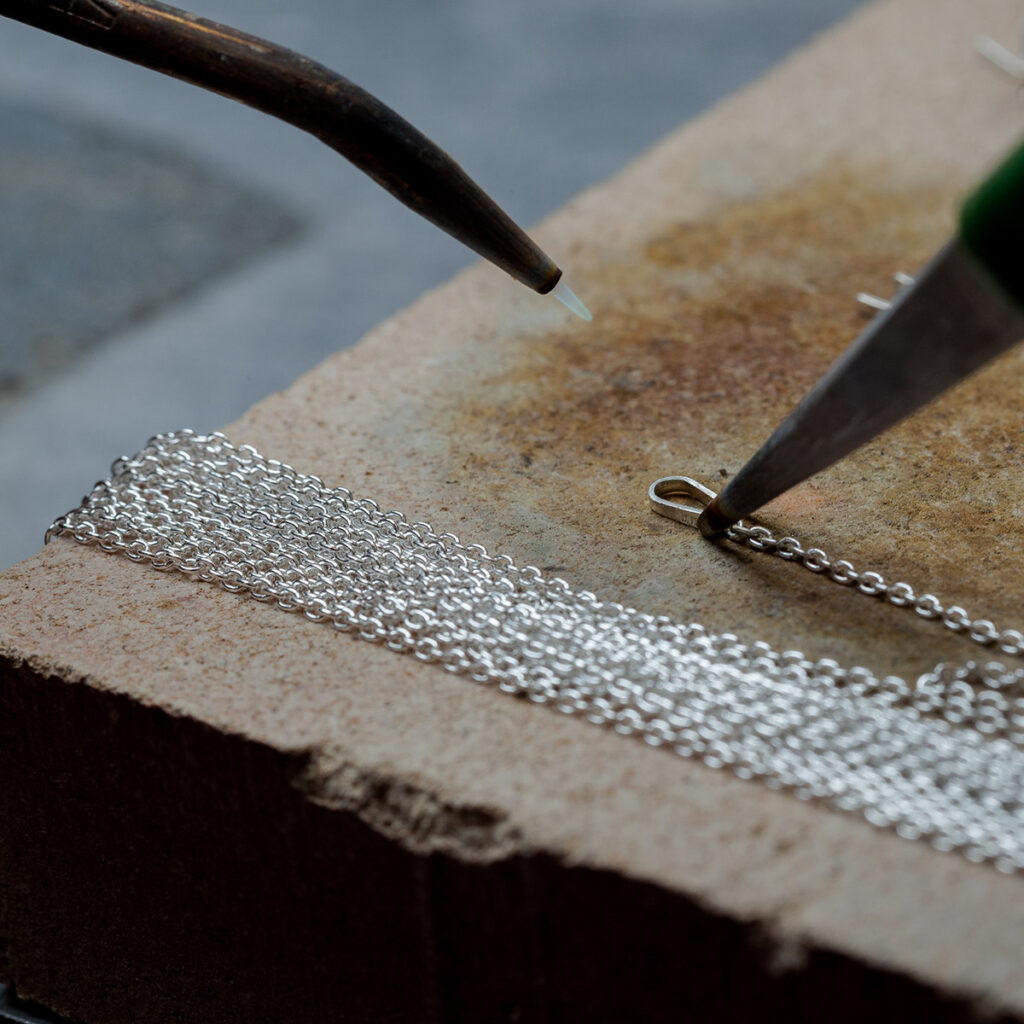
TRAINING 25: HOW TO PREVENT SOLDERING PROCESS DEFECTS THAT CAUSE CRACKS IN JEWELRY

INTRODUCTION

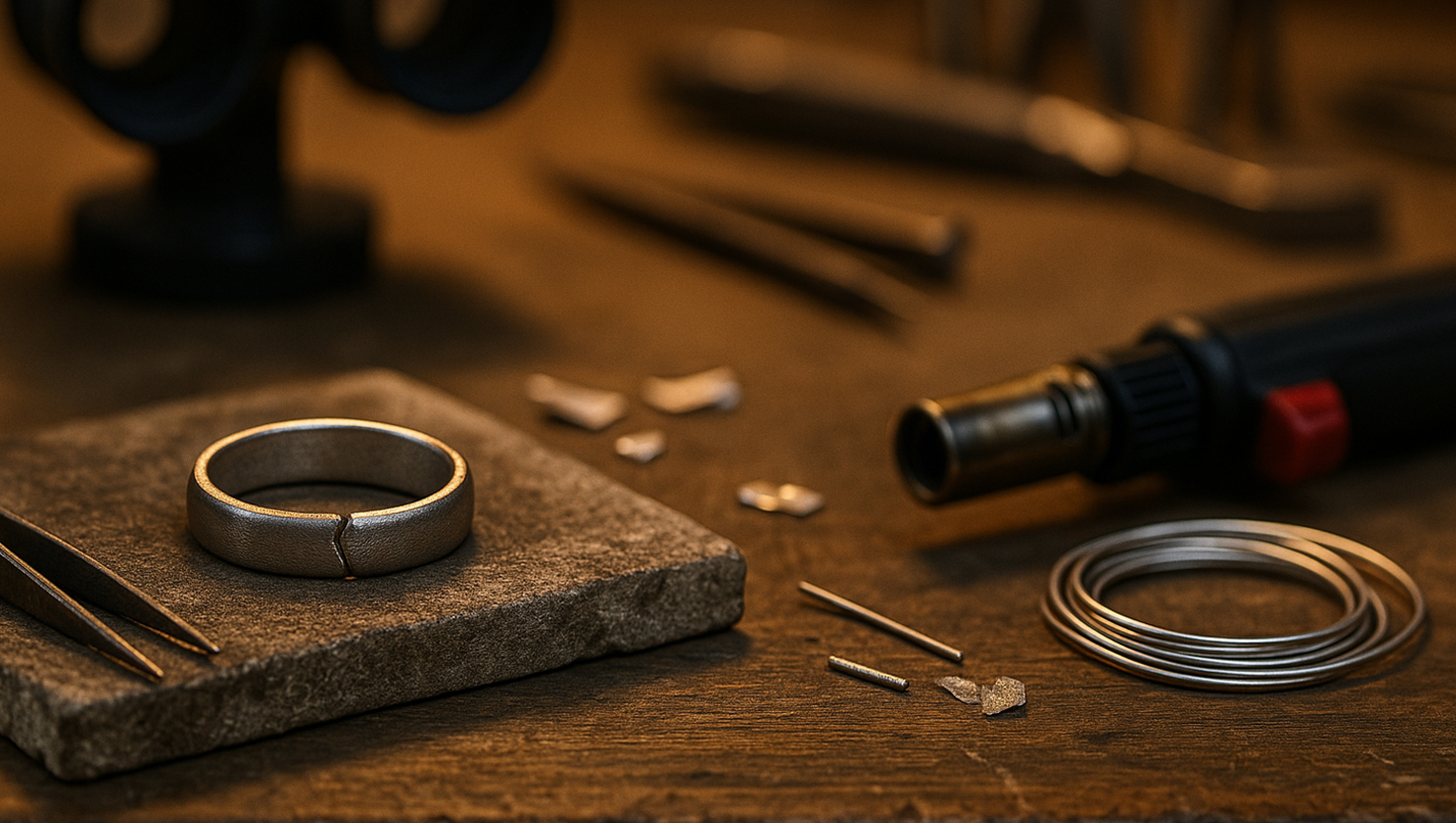
Cracked solder joints – and jewelry that breaks during wear – are among the most common problems for beginner jewelry makers. Reliable, good solder joints are the foundation of any jeweler’s reputation. Every repair of a failed solder seam means wasted time, wasted metal, and lost customer trust.

In this online jewellery making course, you’ll master practical rules and tips that help you create high quality jewelry that stands up to time and everyday use.

Online Jewelry Training Goals

  • Understand why solder joints crack and how to prevent failure.

  • Learn how to choose correct silver soldering and gold soldering temperatures – and the right solder.

  • Design and reinforce solder joints so jewelry survives daily wear.

  • Diagnose and repair cracks step by step.

This jewelry course online consists of 4 modules that take you from root causes to practical solutions.

MODULE 1: IDENTIFYING THE CAUSES OF CRACKED SOLDER JOINTS AND BREAKING JEWELRY

  • Analyze stress in the design (metal thickness, bending points, load zones).

  • Understand differences in thermal expansion: silver vs. gold (and mixed-metal risks).

  • Surface preparation mistakes: contamination, oxides, uneven fit.

  • Too much or too little solder → poor gap fill and weak bonding.

  • Thermal shock cooling after soldering process → microcracks and brittle seams.

Key takeaway:
Poor surface prep and sudden temperature changes are the #1 causes of cracked solder joints.

MODULE 2: HOW TO SOLDER SILVER AND GOLD CORRECTLY — TEMPERATURES, SOLDERS, FLUX

  • Match solder to the metal/alloy: hard / medium / easy solder.

  • Respect melt ranges: solder flow temperature vs. base metal melting point – avoid too much heat.

  • Use proper fluxes and soldering pastes to prevent oxidation during heating.

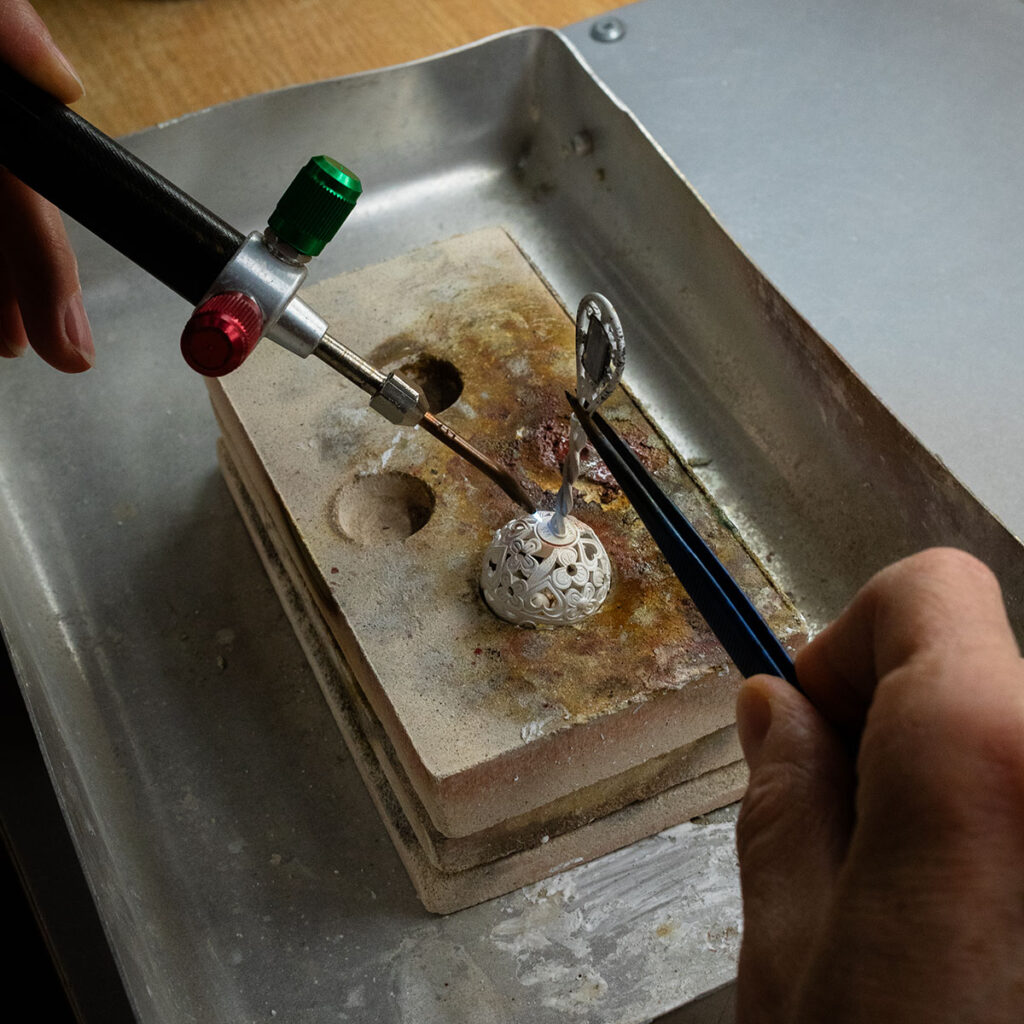
  • Control the torch flame: size, angle, and distance.

  • Use the technique: “heat the whole piece – flow the solder last” to avoid localized overheating.

Key takeaway:
The right jewelry solder + precise heat control creates the foundation for durable joints in components and produced jewelry.

MODULE 3: REINFORCING SOLDERED JOINTS AND BUILDING DURABLE HANDMADE JEWELRY

  • Design for forces: avoid sharp angles and point-load stress.

  • Use stronger link choices on chains exposed to pulling (necklaces and bracelets).

  • Double-solder critical zones (stone-set rings, pendants, stressed connectors).

  • Back-plate technique: reinforce delicate parts with a supportive metal plate.

  • Anneal after soldering process to reduce internal stress and improve durability.

Key takeaway:
Smart construction and stress distribution dramatically increase jewelry lifespan and prevent cracking.

MODULE 4: DIAGNOSIS AND REPAIR — HOW TO SAVE CRACKING JEWELRY

  • Inspect under a 10× loupe: locate the microcrack or broken part and clean it with a bur.

  • Remove set stones before re-soldering (heat protection).

  • Remove old solder → fresh metal surface = better adhesion.

  • Reinforce with a higher-hardness solder or add a strengthening sleeve/tube.

  • Final check: a controlled 30° bend test (where applicable) and polishing.

Key takeaway:
Effective repair requires accurate diagnosis, removal of old solder, and rebuilding the solder joint stronger than before.

SUMMARY

Cracked solder joints don’t have to be your nightmare. When you understand correct soldering technique, joint design, and repair strategy, you turn fragile seams into durable links of jewelry craftsmanship.

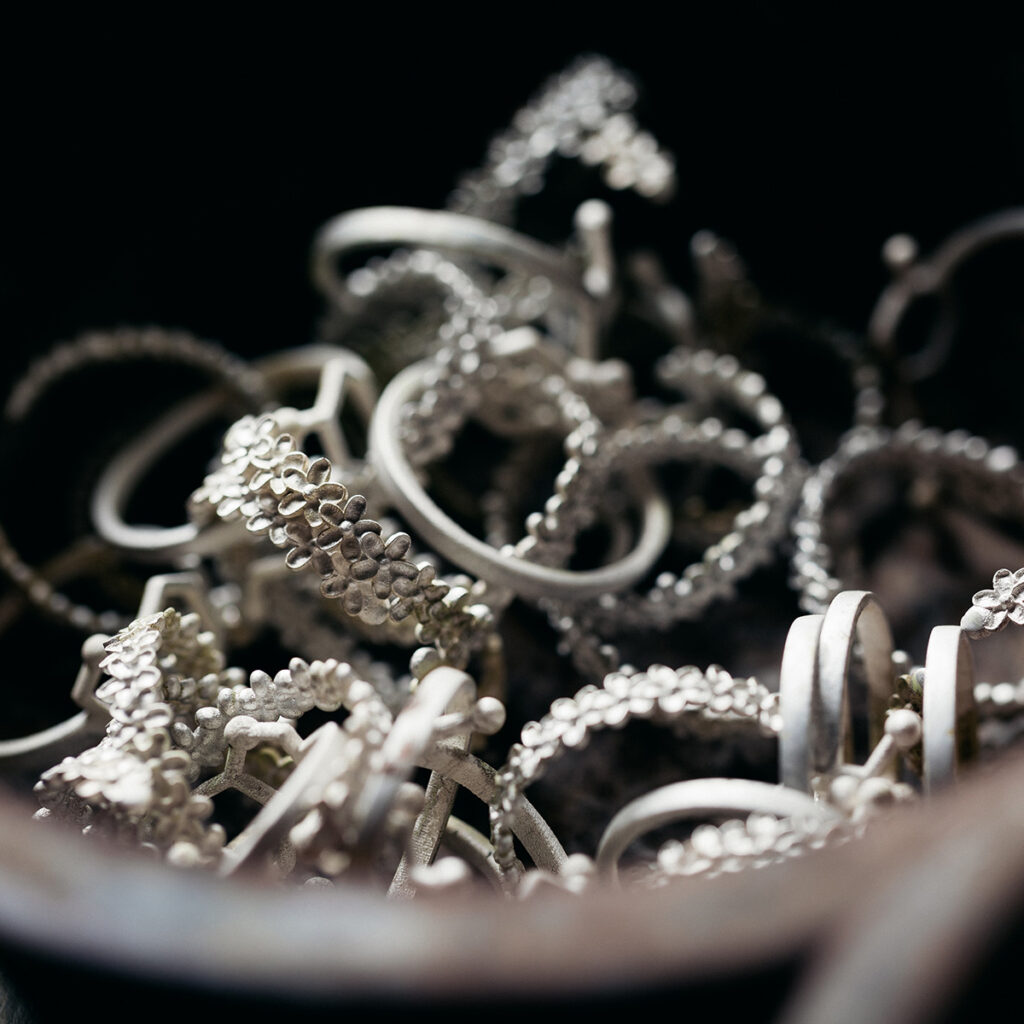
And remember: 925CRAFT, as a manufacturer of sterling silver and gold jewelry making supplies, offers a wide selection of components such as earring, necklace, bracelet and ring bases, charms, bails, jump rings, headpins, chains by the meter, fine silver 999 wire, pearls, crystals, and natural gemstones – so you can create both silver and gold jewelry collection.

Beyond jewelry components, we also provide jewelry services such as soft soldering and hard soldering, CNC cutting, silver casting, rhodium, ruthenium, platinum and gold plating, engraving, and custom jewelry production based on your idea.

Learn more on our blog: How to Start Your Own Jewelry Brand – and contact us to discuss details: Yes! I want to create my own jewelry.


Stay up to date


Do you have any questions? Leave them in the comments below and we’ll be happy to help!