
LESSON 1: HOW TO BECOME A JEWELER? A COMPREHENSIVE GUIDE FOR BEAUTY ENTHUSIASTS AND FUTURE JEWELLERY MAKERS
INTRODUCTION TO THE COURSE
When we picture jewelry making, we often see a small studio scented with metal, hot torches, glittering stones—and a focused craftsperson peering through a loupe. Not long ago, becoming a jeweller meant years of apprenticeship and renting a space in a high-end gallery. Today the world moves faster and the rules have changed—you don’t need an expensive storefront or a huge setup to start creating and selling jewelry. You can work with 925 sterling silver findings, gold, natural gemstones, or cubic zirconia and sell your pieces in a small online shop you can set up in just a few days.
This jewelry guide shows that jewellery making—while still full of magic—has become truly accessible, even if you’re just starting out. You’ll learn what to look for when choosing metals and jewelry findings (including options from 925CRAFT), why selling online is worth it, and how to think about your marketing strategy. We’ll also cover the most common beginner mistakes—so you can start your journey with confidence and passion.
1. A SHORT HISTORY OF JEWELRY—AND WHY ITS APPEAL NEVER FADES
Let’s quickly ask why earrings, rings, and necklaces have captivated us for millennia. In ancient civilizations (Egypt, Mesopotamia, Greece), jewellery played not only a decorative but also a symbolic role. In Egypt, gold jewelry signaled divinity and power; in Rome, it was often believed to protect the wearer.
Styles, finishes, and metalwork changed across centuries, but one thing stayed constant: jewellery is a language of luxury, beauty, and artistry. We still love timeless motifs—nature-inspired shapes, classic bands—yet modern tools and easily available basic materials mean anyone with imagination and patience can try this craft. That blend of tradition and free-form creativity is what makes jewellery making so compelling.
2. WHY START A JEWELRY BUSINESS?
Low investment risk
Launching a jewellery business is stressful. Food brands, for example, fight expiry dates. Jewellery industry is different—its “shelf life” is practically endless. Silver and gold don’t spoil, and you don’t worry about use-by dates.
Precious metals also tend to hold value over time. Even if your idea needs longer to take off, you’re unlikely to face losses like you would with perishable goods. For many beginners, that’s a decisive reason to choose jewellery making as a side hustle or core venture.
Small space, low overhead
Jewellery is small and light. You don’t need a big workshop full of heavy machinery—just a sturdy table, a few drawers and shelves, and compact tools that fit comfortably at home. That’s a huge advantage if you’re starting out or living in an apartment. You save on rent because you don’t need a large production space.
Easy logistics & low shipping costs
Shipping jewelry is simple and inexpensive. Parcels are small and light, which lowers your costs both when you order jewelry making supplies (e.g., from 925CRAFT) and when you ship finished pieces to customers. Light parcels are budget-friendly and rarely cause logistical headaches.

3. FIRST STEPS—FROM IDEA TO ACTION PLAN
Before you grab a torch or place your first wholesale jewelry supplies order, ask yourself:
• What’s my design direction? Minimalist or richly decorated? Classic or abstract?
• Who is my customer? Bridal accessories, men’s leather-and-silver bracelets, or everyday pieces? A clear audience guides your jewellery design and branding.
• Which sales channels will I use? Pure e-commerce, a small home showroom, craft fairs?
Sketch a simple business plan—no need for heavy spreadsheets. List your basic costs (jewellery making courses, materials, tools, bookkeeping) and potential revenue. You’ll know how much you need up front and where you can grow.
4. HOW TO DESIGN JEWELRY THAT GETS NOTICED
Jewellery design is where inspiration meets technique. Decide where your ideas will come from and how you’ll turn them into products.
Track jewellery trends—then make them yours
Jewelry trends shift fast: one season favors delicate chains and dots, the next celebrates bold, chunky statement pieces. Watch marketplaces (Discover Etsy and local equivalents) professionals and designers on Instagram—not to copy, but to inspire your own direction.
Minimalist or expressive?
Simple forms are beginner-friendly and widely appealing—think a fine necklace with a tiny pendant or a subtle bracelet with one gemstone. If you love drama, go bold with color, multi-stone settings, and distinctive engravings. You won’t please everyone, but you’ll delight your niche.
Refine your prototypes
Make quick sketches or basic mockups in a graphics app. Check proportions and usability: Are the earrings too heavy? Will the clasp snag on clothing? For stone-set designs, choose the right setting. Some natural stones (e.g., faceted, transparent) need extra care to avoid chipping or loosening. Advanced tasks—like precision diamond setting—can be outsourced while you focus on design and finishing.
5. ONLINE STORE OR PHYSICAL BOUTIQUE? WHY MODERN BRANDS GO DIGITAL
A charming street-level boutique has romance: you meet clients, show pieces in person, and even demo your process. But it’s costly and risky for beginners. Many modern jewelry brands skip malls and go online instead:
• Lower overhead: no high rent.
• Financially safer: start small without long leases.
• Flexible: the store is open 24/7; you set your working hours.
• Global reach: with smart marketing and reliable shipping, your work travels worldwide.
Some jewelry makers mix both: pop-up displays at home studios + a strong online presence—keeping fixed costs low while building local relationships.
6. ESSENTIAL LEGAL BASICS (POLAND EXAMPLE)
When you start selling—online or offline—you’re a business owner. Key points (for Poland):
• Business registration: file CEIDG-1 online, choose your tax form, and a PKD code (e.g., 32.12.Z).
• Accounting & taxes: general rules, flat tax, or lump sum (if eligible). Hire a bookkeeper if numbers aren’t your thing.
• Precious metal hallmarks: silver, gold, and platinum elements above set weights require assay office testing/hallmarking. Buying findings from reputable suppliers (e.g., 925CRAFT) helps ensure proper standards. Customers typically have 14 days to withdraw (personalized items like engraved pieces may be exempt).
• Returns and complaints: for online sales, you must comply with consumer protection law. Remember that the customer has the right to withdraw from the contract within a specified period (usually 14 days), although different rules may apply to personalized products (e.g., engraved names or dates).
Don’t fear the admin—most of it looks scarier than it is. There are plenty of guides and supportive communities online.
7. WORKING WITH FINDINGS SUPPLIERS—PRACTICAL TIPS THAT SAVE YOU MONEY
Suppliers are your key allies. Even in the 1990s, success hinged on a reliable partner with quality materials. Poor-quality silver leads to tarnishing and breakage—nothing drives customers away faster.
Today most purchases happen online, but the rule stands: a trusted supplier is gold. Bargain hunting abroad can work, but the risk of defects rises. Check how other makers rate the jewelry findings suppliers.
What to look for in a findings supplier:
• Metal quality: sterling silver should truly be 925—otherwise expect returns.
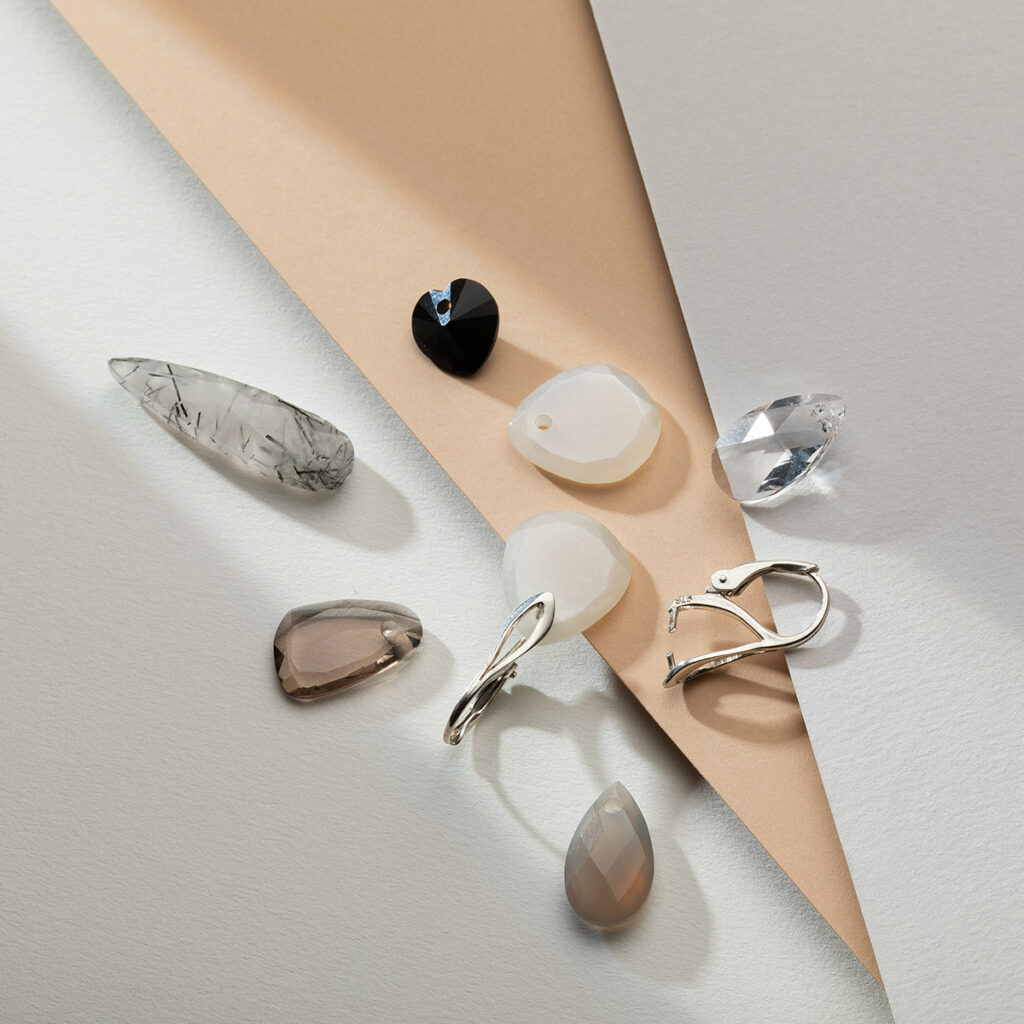
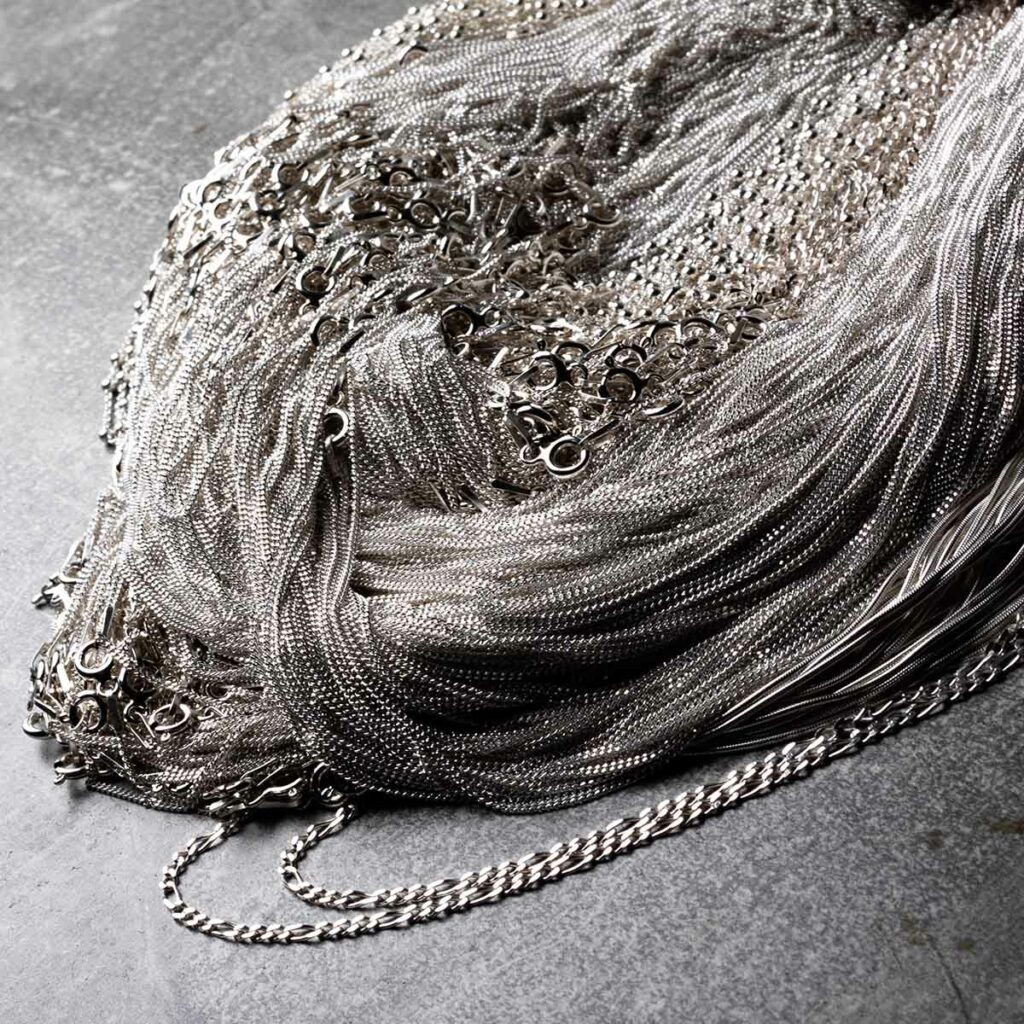
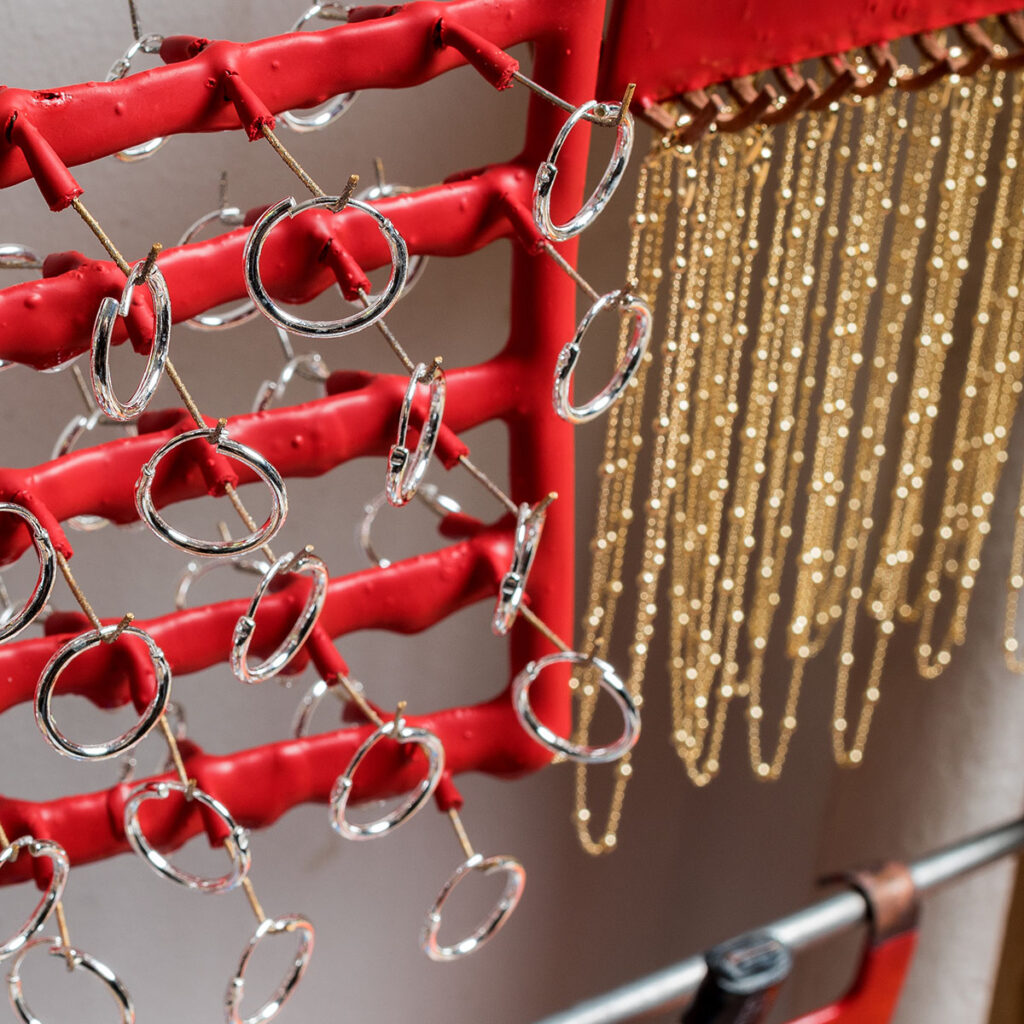
• Assortment depth: jump rings, ear wires, jewelry clasps, chains for making necklaces and bracelets, stone settings, all in one place.
• Expert support: the ability to ask about materials and techniques is invaluable.
• Stock reliability: when a design hits, you’ll need quick replenishment.
In Poland, 925CRAFT stands out for sterling silver findings and related jewelry services (e.g., casting, jewelry services, galvanization). Ordering online is easy and their advice is genuinely helpful—especially when you’re choosing the right clasp or chain for a new design. A good supplier removes stress: deliveries on time, quality consistent batch to batch.
8. JEWELLERY MAKING—STEP BY STEP
Concept & prototype
Start with a sketch or a simple wire/cabochon mockup. Wear-test on yourself or friends.
Forming & soldering
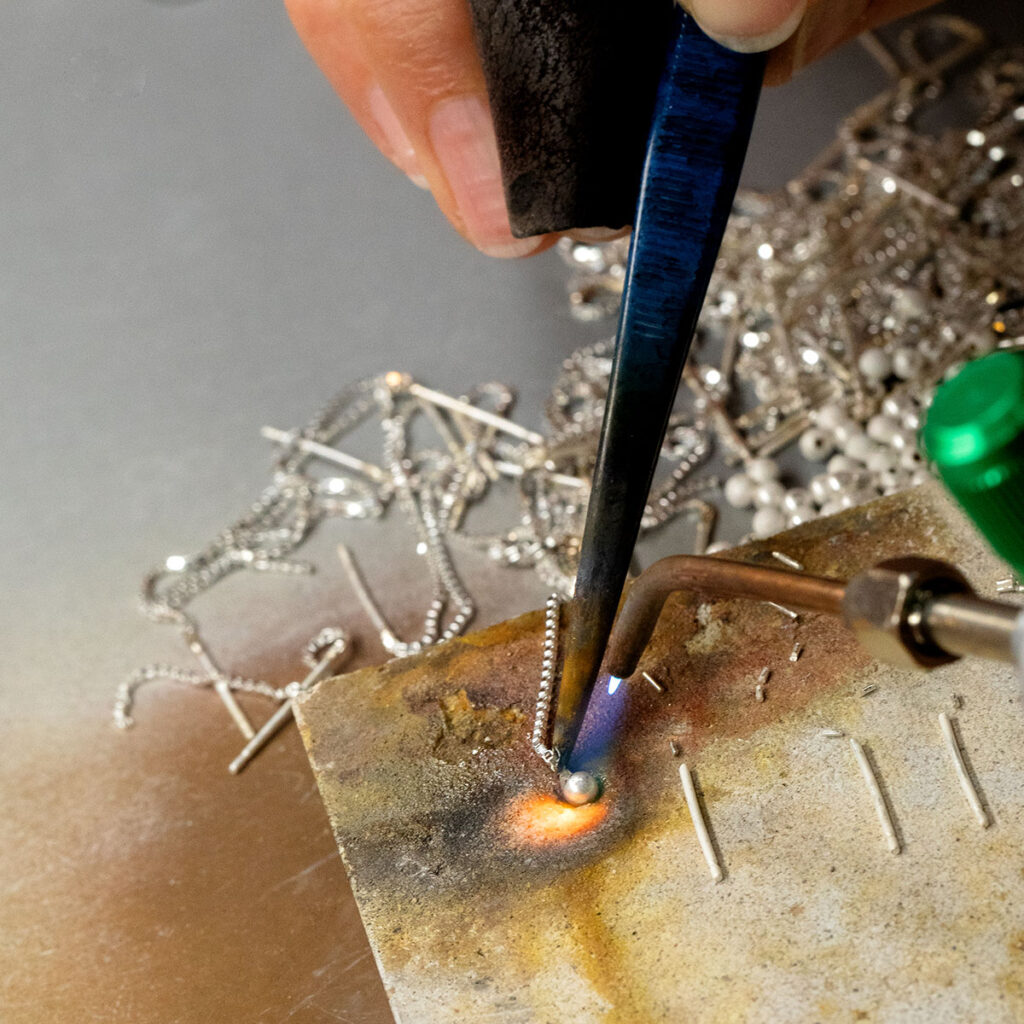
If your piece needs soldering (closing jump rings, joining bands), you’ll need a torch, flux, and practice. YouTube has excellent tutorials for soldering silver or gold at home. Safety first: ventilation/extraction, gloves, and eye protection.
Detailing & finishing
Add character with engraving, hammer texturing, oxidation (for darkened relief), or a high polish.
Quality control
Never ship a piece you haven’t checked yourself. Inspect every solder seam, test clasps, and ensure stones are secure. This step prevents returns and protects your reputation.
9. STYLING & CUSTOMER ADVICE—BE THE INDUSTRY EXPERT THEY REMEMBER
Years ago I bought a birthday ring for a friend. The salesperson simply showed boxes—no guidance on stones, settings, or daily wear. I left confused and the gift missed the mark. That experience taught me how powerful knowledgeable advice can be. As a maker, you’re part stylist.
How to guide customers:
• Ask questions: Where will the piece be worn—daily, work, special events? If it’s a gift, ask about the recipient’s style.
• Offer alternatives: If someone considers CZ earrings, also show a similar design with a natural stone—they might prefer uniqueness.
• Mind color: Match stones to skin tones and favorite wardrobe colors.
• Show how to wear it: Suggest stackable combos, ear styling ideas, or bracelet-watch pairings. People love practical inspiration.
Great products plus thoughtful advice = loyalty and repeat sales.
10. GROWTH—WHAT TO DO WHEN ORDERS PICK UP
Imagine your first customers post glowing reviews, and friends of friends start asking for more. It’s time to scale smartly.
Ways to grow:
• Hire help: a part-time assistant for emails and packing, or bench help for repetitive tasks.
• Launch new collections: if you mainly sell silver, add gold 585 or gold-plated jewelry lines. Explore bridal or men’s jewellery.
• Attend trade shows: meet buyers and media, and learn from peers.
• Market intentionally: sooner or later you’ll want a professional website, a newsletter, a blog, and collaborations with creators/influencers.
Grow deliberately. Test, measure, then invest in what works.
11. WHY 925CRAFT CAN BE YOUR SUCCESS PARTNER
A final word on 925CRAFT: beyond quality metals, makers praise their friendly support—even for “beginner” questions like, “Will this chain carry that pendant?” or “Which clasp fits these earrings best?” or “how to design jewelry”.
925CRAFT also:
• Care about correct fineness—reducing returns from poor alloys.
• Offer add-on services—casting, engraving, and more when you need complexity.
• Let you order everything online—ideal for home-based makers.
Details matter in jewellery. A steady, reliable partner, such as 925CRAFT keeps those details right.

12. AVOID THE TRAPS—COMMON BEGINNER MISTAKES
No coherent style
Trying to please everyone leads to scattered collections. Experiment, yes—but build a recognizable signature.
Cutting corners on quality
Cheap, low-grade components cost more in returns and bad reviews. Invest in solid brands (e.g., 925CRAFT) and protect your reputation.
Ignoring marketing
Beautiful pieces don’t sell if no one sees them. If social media isn’t your thing, get help. If it is, double down on crisp photos and compelling descriptions.
No financial plan
Impulse buying tools and gemstones drains budgets. Start with a tight product set, validate demand, then expand.
SUMMARY—FIND YOUR PASSION, BUILD YOUR BRAND
Jewellery making blends beauty and precision with real business potential. The good news: you don’t need huge capital or a big studio. You can have your workshop at home and use the internet for sales and promotion.
Stay curious—seek creative inspiration, refine your craft, and watch trends. Add a dose of entrepreneurship: consistent branding, simple marketing, and reliable jewellery findings suppliers. Tie it all together, and you’ll earn devoted customers who come back for more.
Dreaming of a small studio? Set one up in a quiet corner at home. Want to try ecommerce? Launch on a trusted platform or build your own site. The most important moment is the first step—ordering materials, sitting down at the bench, and creating. Before you know it, pieces with your maker’s mark may grace hands, necks, and ears around the world.
Don’t fear challenges or missteps—they’re part of the craft. Precious metals are forgiving: they don’t expire, and you can remelt or repurpose them if a project stalls. That flexibility is a huge advantage.
May working with metal and stones bring you the joy it has brought makers for centuries. Share your work, talk to customers, advise them, and listen closely. With heart and commitment, jewellery making can become not just your income, but a lifelong passion.
Want to know more?
- Find out: Silver jewelry perfect for spring!
- Read the article: Sports jewelry – silver and gold findings for making jewelry for active people
- Get inspired: Ring blanks – design stylish jewellery for hands – part 1
- Check also: Handmade jewellery. Something that is worthing or not?
- Discover: The most fashionable chain types – part 2