TRAINING 13: GOLD COLORS EXPLAINED – HOW TO CREATE WHITE, ROSE AND YELLOW GOLD AND HOW THEY DIFFER IN JEWELLERY MAKING

INTRODUCTION TO THE TRAINING FOR JEWELLERS

Welcome to this jewelry workshop focused on gold colours and their practical differences in gold jewellery making. While gold is most commonly associated with its classic warm yellow tone, combining pure gold with other metals allows jewellers to achieve a wide range of colours — from cool white gold to warm rose gold. Understanding how different gold alloys are created and how they behave during processing is essential for professional jewelry making. Knowledge of gold content directly affects soldering, forming, polishing, durability, and final aesthetics of your jewellery collection.

Jewelry Training Goals:

  • Understand how alloying metals influence gold colour

  • Learn the compositions of white, rose, and yellow gold

  • Discover key differences in processing, soldering, and finishing gold jewellery

This online jewelry course is divided into 4 modules.

MODULE 1: GOLD PURITY AND ALLOY COMPOSITION

Pure Gold (24K)

  • Contains 99.9% gold

  • Extremely soft and highly malleable

  • Rarely used alone in European jewellery design due to low durability

Gold Alloys

To improve hardness and achieve different colours, gold is alloyed with metals such as copper, silver, palladium, nickel, or zinc.

Common gold purities – fineness:

  • 9K (375) – 37.5% gold

  • 14K (585) – 58.5% gold

  • 18K (750) – 75% gold

The alloy composition determines:

  • color

  • hardness

  • melting temperature

  • workability

Conclusion:
Gold color is always the result of alloying metals. The type and proportion of added metals define both the appearance and mechanical properties of the final material.

MODULE 2: GOLD COLOURS – WHITE, ROSE AND YELLOW GOLD

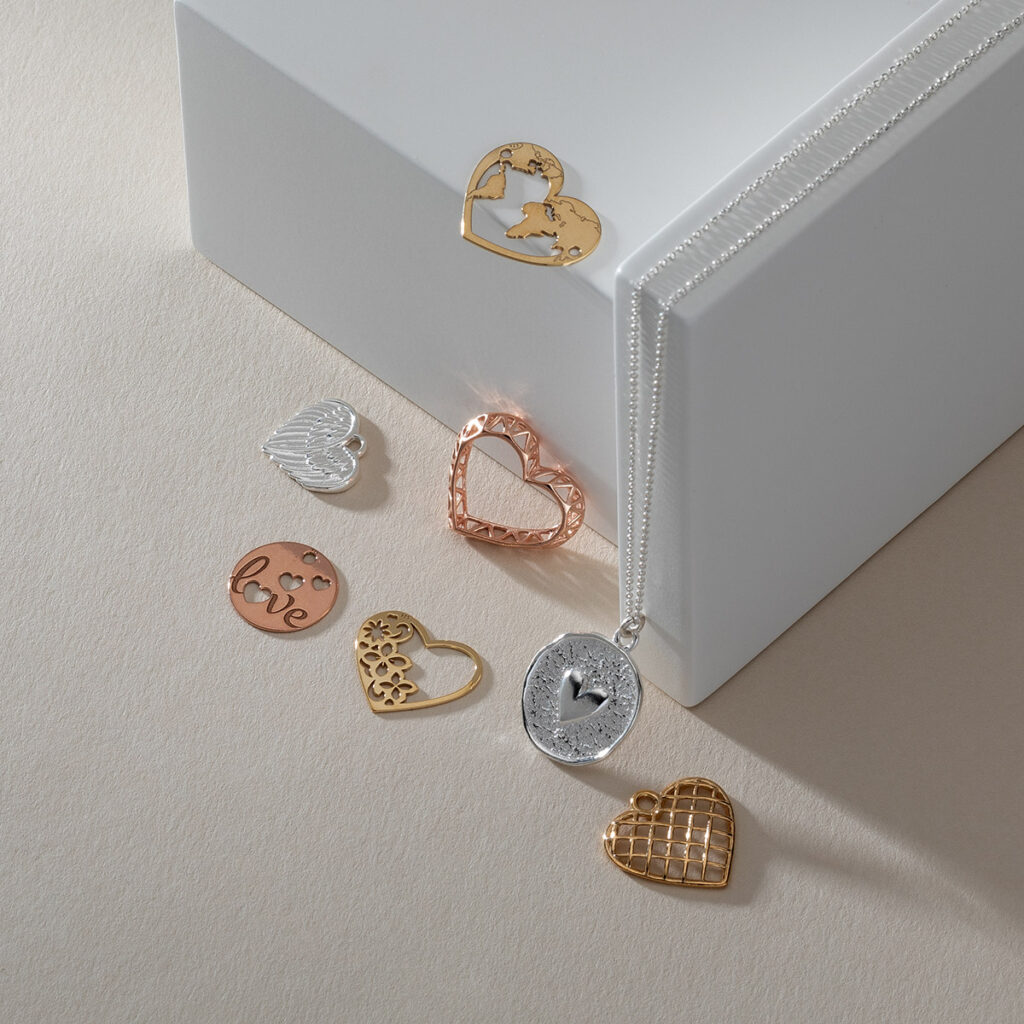
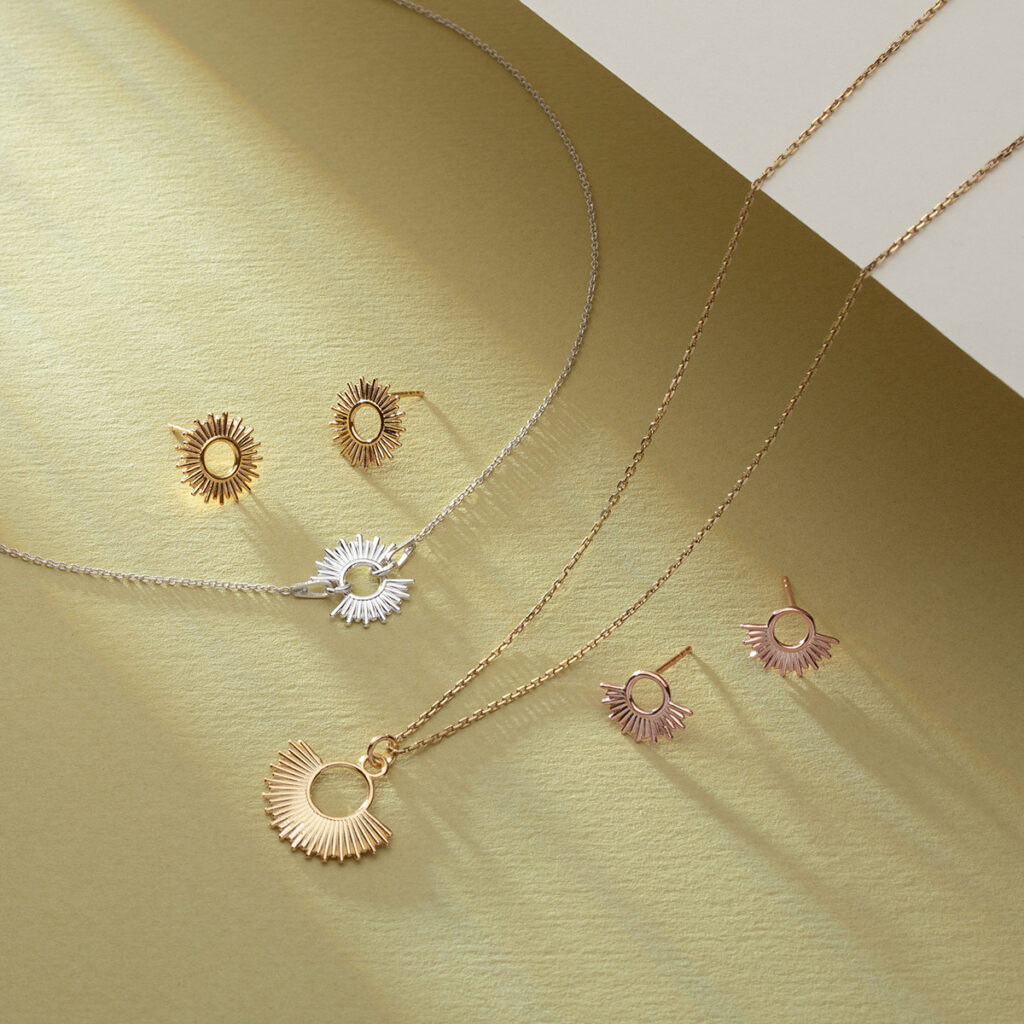
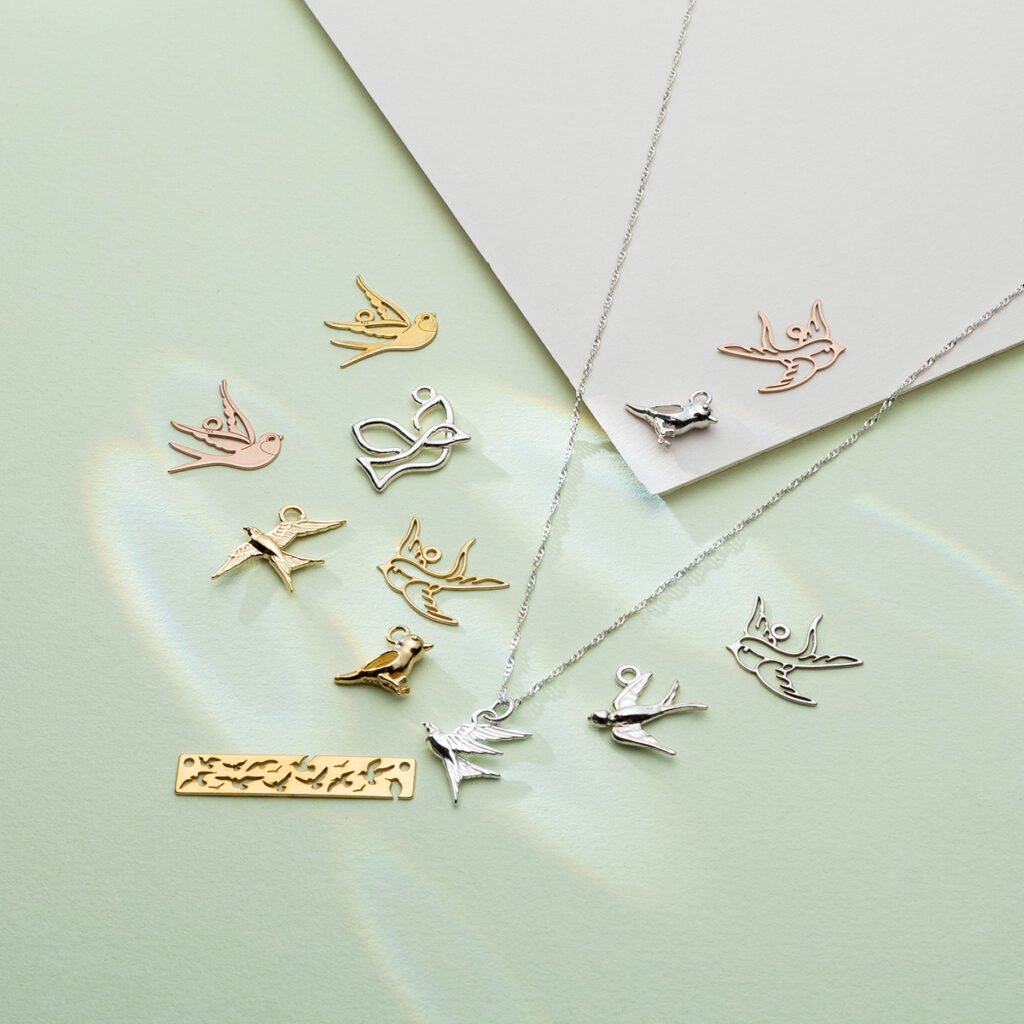
Yellow Gold

  • Composition: gold + silver + copper (sometimes zinc)

  • Characteristics: closest to natural gold color

  • More silver → lighter tone

  • More copper → deeper, warmer yellow

Rose Gold

  • Composition: gold + higher copper content

  • Characteristics: warm pink to reddish hue

  • Higher copper = deeper rose/red tone

  • Popular in modern and romantic jewellery designs

White Gold

  • Composition: gold + whitening metals (palladium or nickel)

  • Nickel white gold: harder, durable, but may cause allergies

  • Palladium white gold alloys: more expensive, slightly warmer white, hypoallergenic gold

  • Often rhodium plated for bright white finish

Conclusion:
Each gold color is defined by its alloy. The choice of alloy for gold jewellery affects not only appearance but also hardness, durability, and processing behavior.

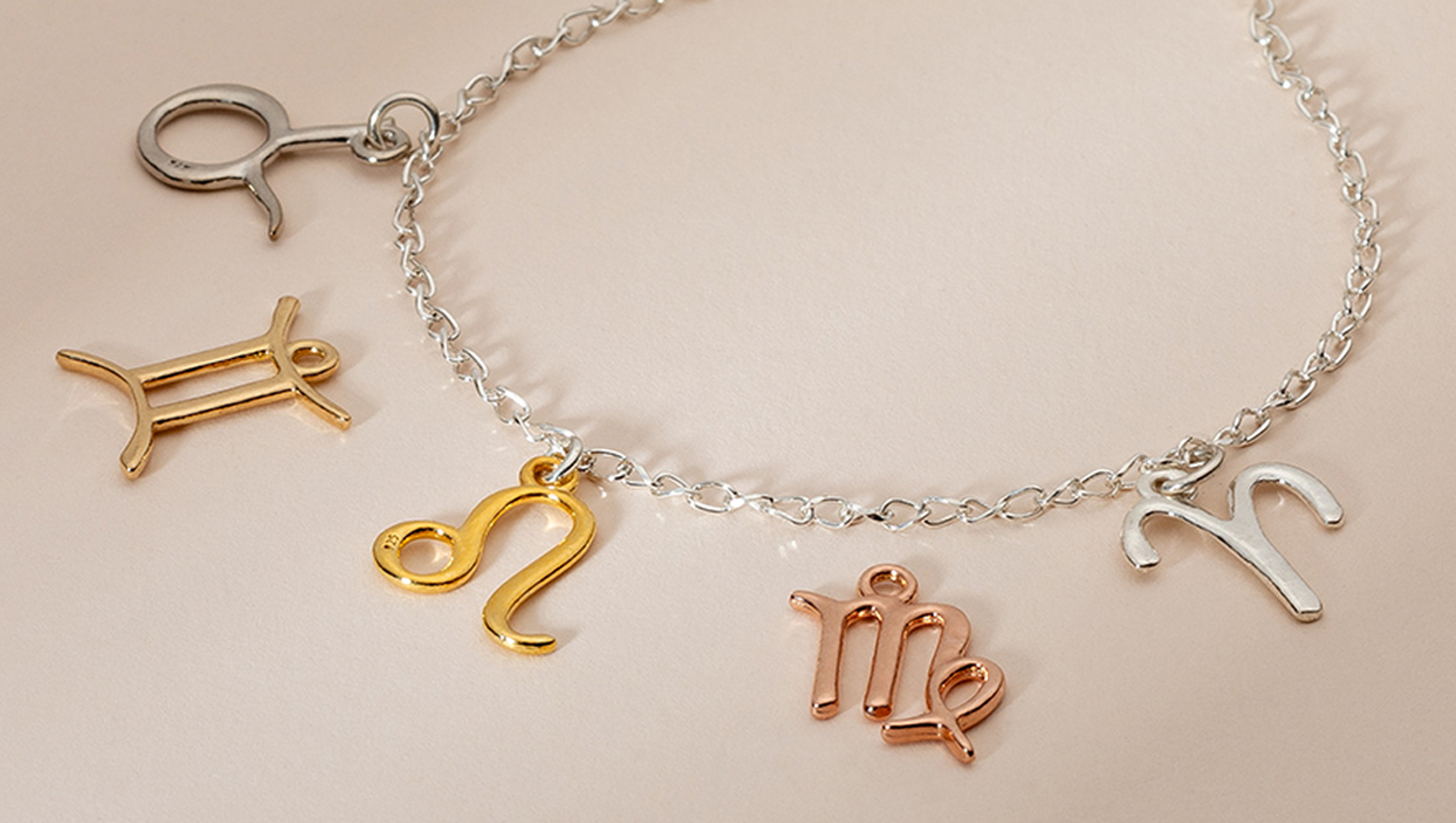
MODULE 3: PROCESSING AND SOLDERING DIFFERENCES

Hardness and Workability

  • Yellow gold: most malleable, easiest to form

  • Rose gold: harder due to copper, requires frequent annealing

  • White gold: hardest, especially nickel-based alloys

Melting Temperature

  • Varies depending on alloy and purity

  • White gold often melts at higher temperatures than yellow or rose gold

  • Accurate temperature control is critical to avoid discoloration

Soldering Gold

  • Always match solder color to alloy color

  • White gold requires specialized solders and higher temperatures

  • Rose gold needs copper-balanced solder to maintain color consistency

Polishing and Finishing Gold Jewelry

  • Yellow gold: easy to polish, but softer at lower carats

  • Rose gold: may darken slightly if not properly finished

  • White gold: usually rhodium plated after polishing

Conclusion:
Each gold color requires adjusted soldering techniques, temperature control, and finishing methods to achieve professional results.

MODULE 4: PRACTICAL GUIDELINES FOR JEWELRY MAKERS

Choosing Gold for Jewelry Designs

  • Yellow gold: best for complex soldering and traditional designs

  • Rose gold: ideal for delicate, romantic jewellery — requires careful annealing

  • White gold: perfect for diamond settings and modern jewellery collections

Working With Suppliers

  • Always confirm alloy composition and recommended processing parameters

  • Consistent suppliers ensure stable color and quality

Care and Maintenance

  • Yellow gold: easiest to maintain

  • Rose gold: avoid harsh chemicals

  • White gold: periodic rhodium re-plating recommended

Skill Development

  • Test different alloys in practice

  • Record soldering temperatures and annealing cycles

  • Experience builds confidence and precision

SUMMARY OF JEWELLERY MAKING ONLINE COURSE

Different gold colors are achieved through alloying pure gold with silver, copper, palladium, or nickel. Yellow gold is the most malleable, rose gold is harder due to copper, and white gold requires specialized soldering and finishing techniques. Choosing the right gold alloy affects not only aesthetics but also durability, workability, and customer comfort. As a jeweler, with proper preparation, matching solders, and precise processing, you can create high quality jewelry in a wide range of gold colors.


Stay up to date


Do you have any questions? Leave them in the comments below and we’ll be happy to help!