TRAINING 26: MAKING RESIN JEWELRY WITH EPOXY RESIN, UV RESIN AND POLYMER CLAY (WITH SILVER AND GOLD)
INTRODUCTION
Contents
- 1. INTRODUCTION
- 2. MODULE 1: TYPES OF JEWELRY MAKING RESINS AND POLYMER MATERIALS IN JEWELRY PROJECTS
- 3. MODULE 2: METAL PREP – SILVER WITH RESIN AND GOLD WITH POLYMER CLAY
- 4. MODULE 3: MIXED TECHNIQUES – INLAYS, FILLINGS AND CASTINGS
- 5. MODULE 4: MAINTENANCE & REPAIR – BOND DURABILITY AND DEFECT REMOVAL
- 6. MODULE 5: JEWELLERY DESIGN INSPIRATION – EPOXY RESIN JEWELRY WITH SILVER
- 7. MODULE 6: MONETIZATION & MARKETING — SELLING MIXED-MEDIA JEWELRY
- 8. SUMMARY
- 9. Want to know more?
- 10. Stay up to date
Jewelry resins and polymer clays open up a completely new world of color, depth, and texture for handmade jewelry makers. With resin crafts, you can add transparent or tinted elements, fill openwork shapes, create inlays and cabochons, and even repair cracks and surface damage.
In this online jewelry training you’ll learn how to safely and professionally combine resin with metal – especially when working with sterling silver and gold, where surface prep and bond strength matter most.
Jewelry Making Training Goals
Understand when to use epoxy resin jewellery techniques and when polymer materials are the better choice.
Master metal surface preparation and durable bonding for silver + UV resin combinations.
Practice resin inlay and resin mold supplies (castings for cabochons, pendants).
Learn how to protect resin jewelry from scratches and everyday wear.
Get design inspiration for creating unique colored epoxy resin jewelry with silver.
Learn how to price and market mixed-media jewelry effectively in the handmade market.
This training includes 6 modules – from materials theory to creative jewelry making projects and marketing.
MODULE 1: TYPES OF JEWELRY MAKING RESINS AND POLYMER MATERIALS IN JEWELRY PROJECTS
Epoxy resin for jewelry: two-part epoxy (resin+hardener), UV resin, tinted resin using pigment pastes (resin dyes).
Polymer clay for jewelry: PVC clays (FIMO, Premo), epoxy clay, heat/thermoset polymer materials.
Choosing the best resin for micro-casting in jewelry: viscosity, cure time, shrinkage.
Comparing properties: hardness, chemical resistance, ease of sanding and polishing.
Key takeaway:
The best resin or polymer choice depends on the size, color effect, and function of the piece you want to create.
MODULE 2: METAL PREP – SILVER WITH RESIN AND GOLD WITH POLYMER CLAY
Micro-sandblasting / mechanical matting vs. chemical etching for better adhesion.
Adhesion promoters and primers for resin-to-silver bonding.
Thermal expansion: thermoset polymers vs. silver soldering – when to solder, when to bond.
Pull-off adhesion testing: comparing primers across metals.
Key takeaway:
A properly prepared and degreased metal surface is the #1 factor in creating a reliable resin-to-metal bond.
MODULE 3: MIXED TECHNIQUES – INLAYS, FILLINGS AND CASTINGS
Resin inlays inside silver ring and pendant recesses (inlay “seats”).
Tinted resin in silver rings: transparent pigments vs. opaque pigments.
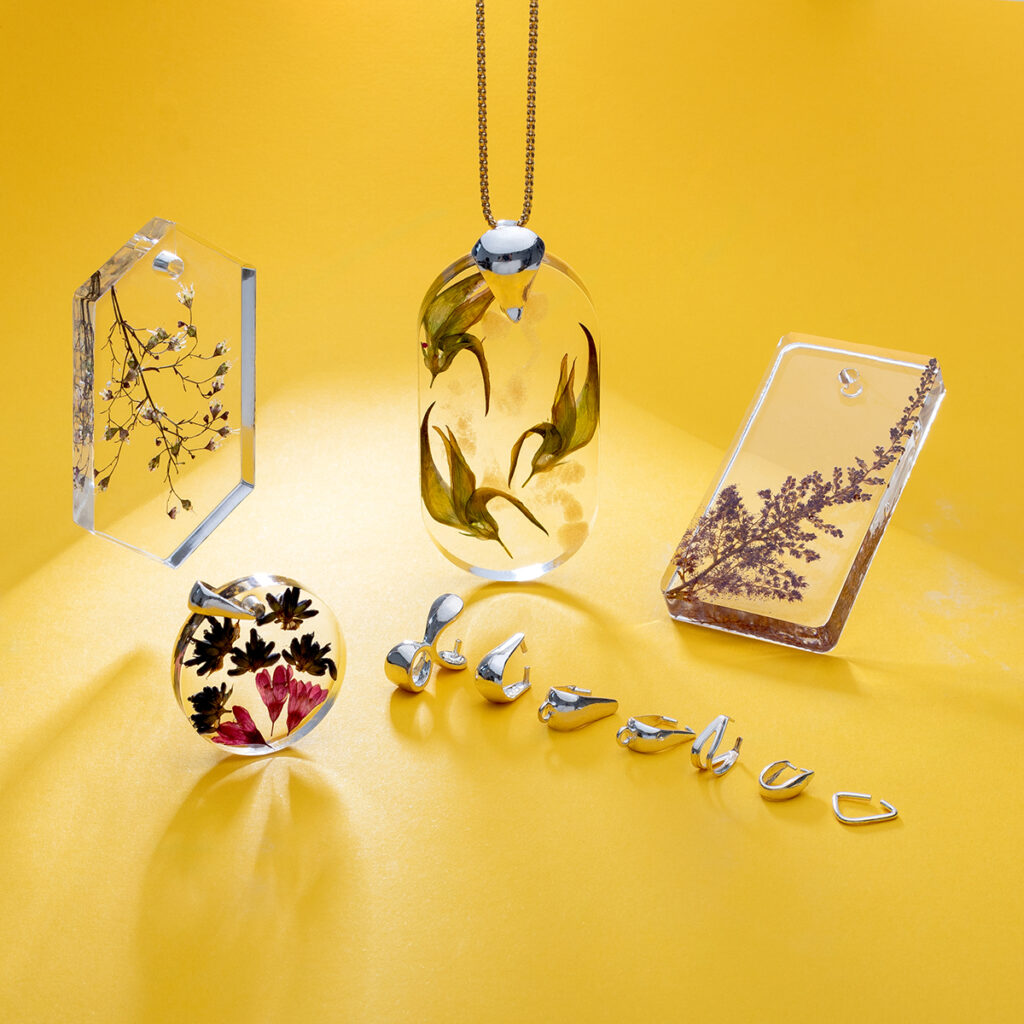
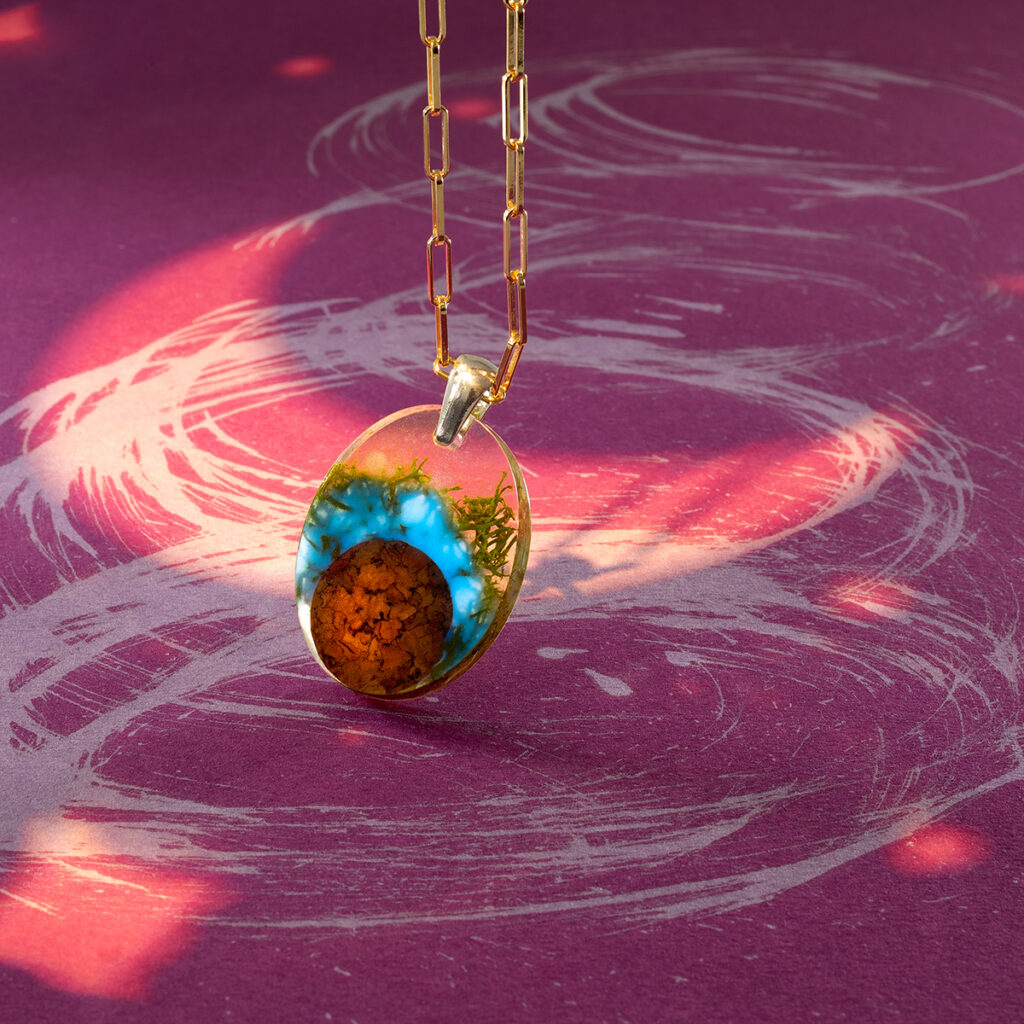
Creating gradients and depth effects (“ocean depth”), inclusions (dried flowers, metal foils, moss, feathers, shells, glitters).
Artistic resin-and-gold jewelry: “full flush” cabochon designs (smooth, level surface).
Exercise: cast a 6 mm micro-cabochon and set it in silver.
Key takeaway:
Resin and polymers give endless artistic options – if you control precise measuring and proper degassing.
MODULE 4: MAINTENANCE & REPAIR – BOND DURABILITY AND DEFECT REMOVAL
Durability testing for silver + UV resin bonds (UV exposure, humidity).
Repairing resin cracks: milling the damaged zone and locally refilling with UV resin.
Protective topcoats: how to protect resin from scratches (PU coatings, UV-cured acrylics).
Multi-step polishing workflow: 400–3000 grit + diamond polishing paste.
Key takeaway:
Surface protection and regular checks keep resin jewelry looking flawless for years.
MODULE 5: JEWELLERY DESIGN INSPIRATION – EPOXY RESIN JEWELRY WITH SILVER
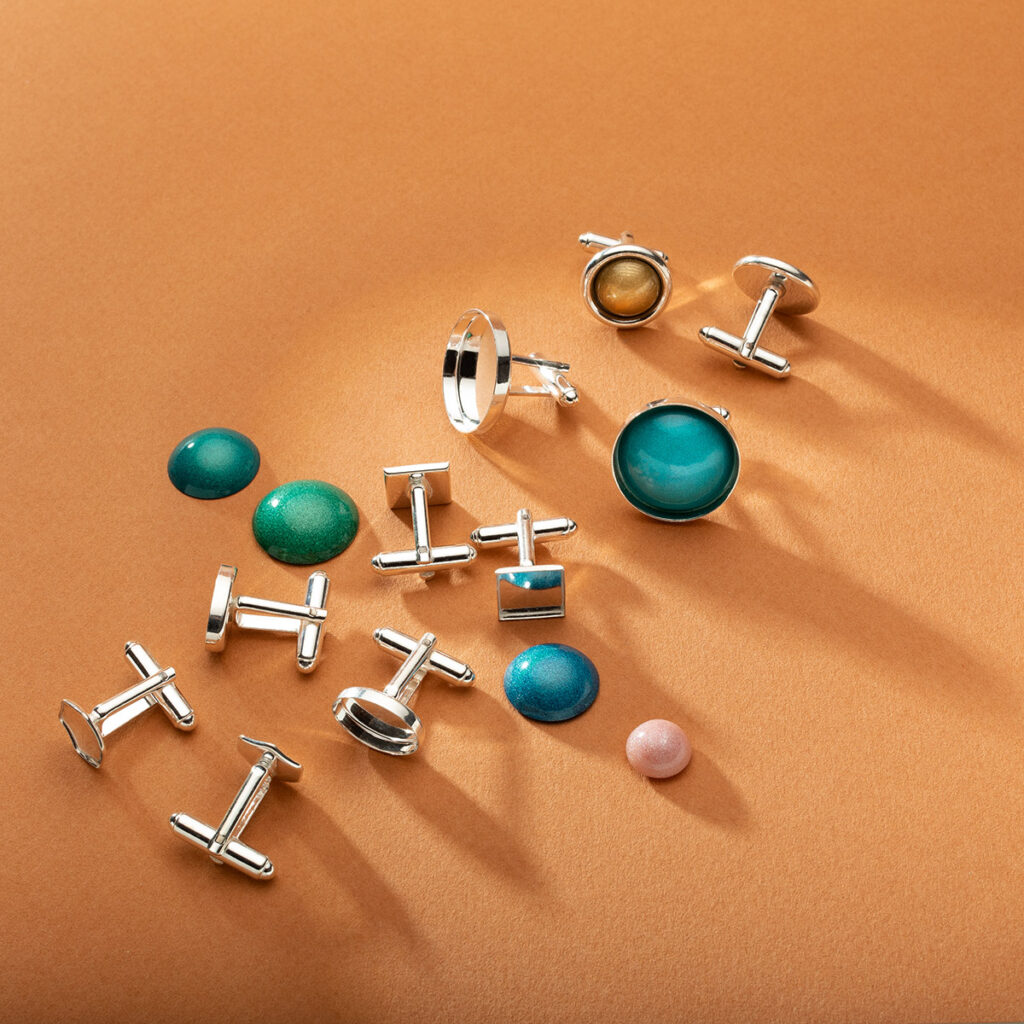
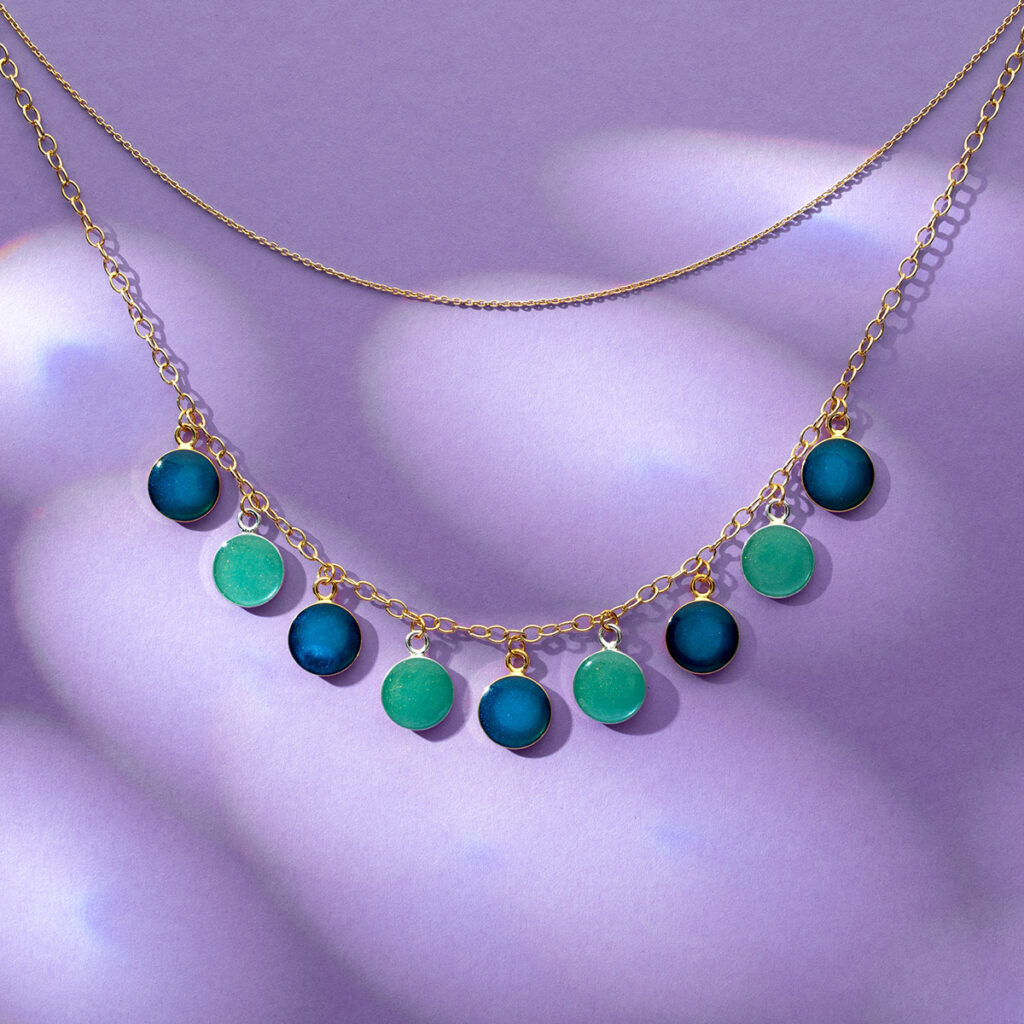
Example gallery: rings, earrings, necklaces, bracelets, cufflinks with epoxy resin tinted with mica and neon pigments.
Trends: “opal,” “galaxy,” and “marble” resin effects.
Silver + resin vs. gold + polymer clay: contrasting cool and warm metal tones.
Mood boards and palettes: matching resin color to metal karat and tone.
Exercise: design a set (ring + pendant) using two resin colors.
Key takeaway:
Smart color pairing between resin and precious metals helps you build standout handmade collections.
MODULE 6: MONETIZATION & MARKETING — SELLING MIXED-MEDIA JEWELRY
Pricing your work: materials (resin, silver, stones, wood, silicone molds, flowers, glitter), time, and artistic margin.
Storytelling keywords for product descriptions: “epoxy resin cast,” “one-of-a-kind pattern,” “botanical jewelry,” “flowers embedded in resin.”
Product photography: lighting that highlights resin transparency and depth.
Sales channels: Etsy, Instagram Reels, local concept stores.
Premium packaging: artist certificate + resin care instructions.
Key takeaway:
Clear value communication and smart pricing directly improve sales of mixed-tech jewelry.
SUMMARY
After completing these six modules, you’ll know how to combine polymer materials with precious metals, design high-quality resin-and-silver jewelry, protect durability, and turn creative ideas into a strong handmade offer.
EXTRA SHORTCUT FOR BEGINNERS
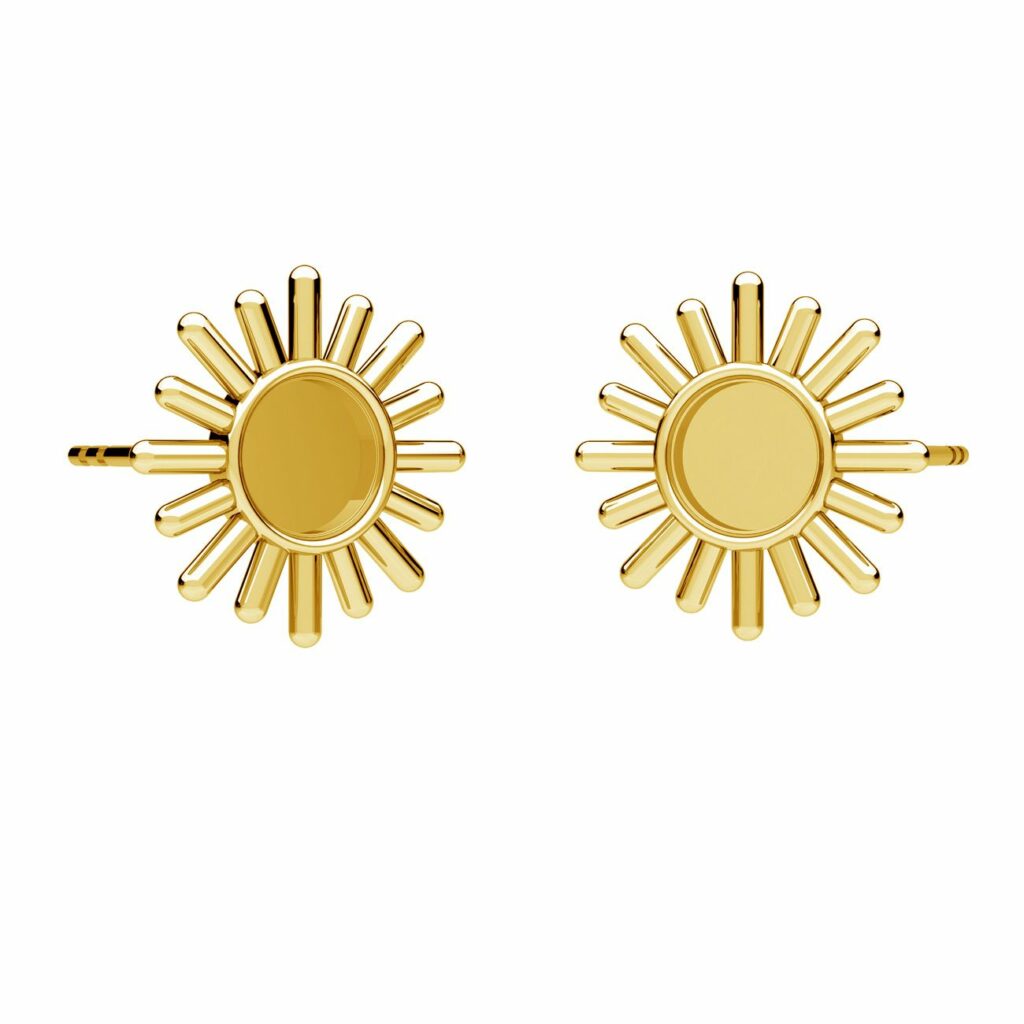
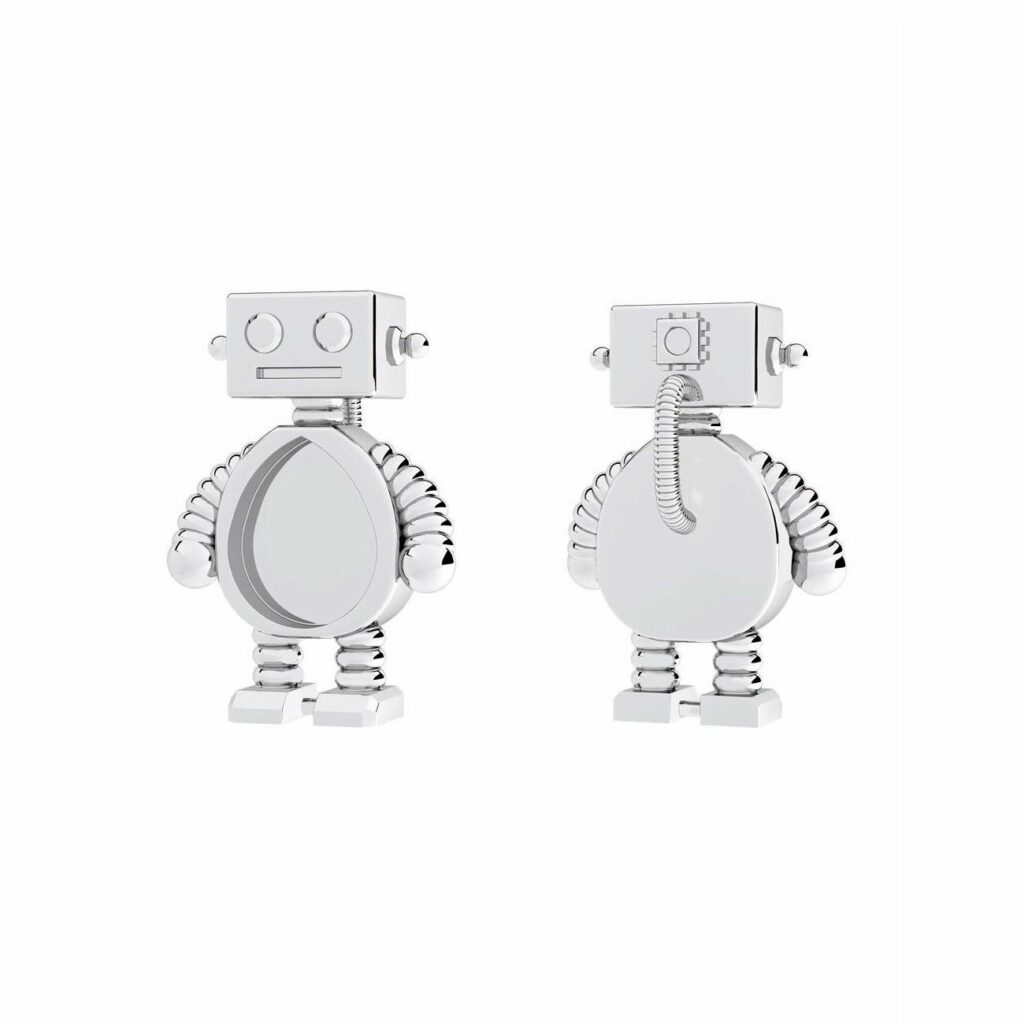
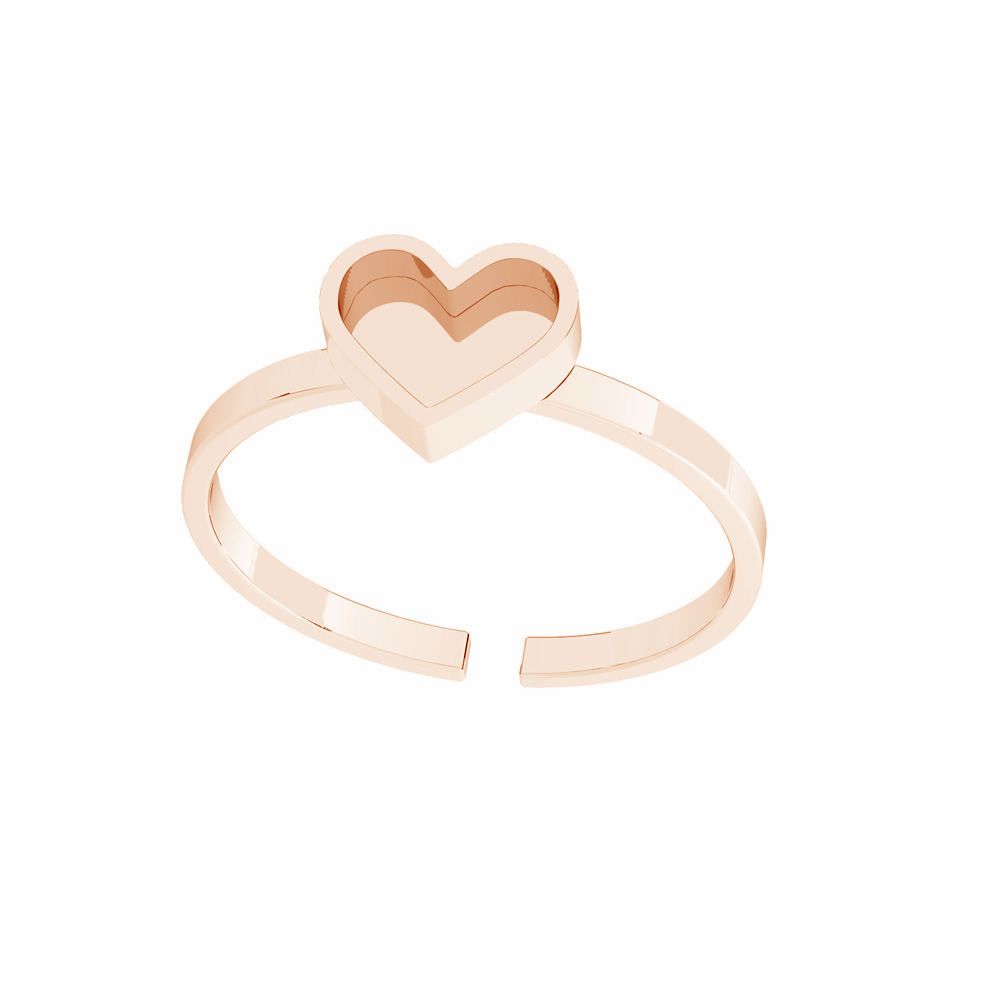
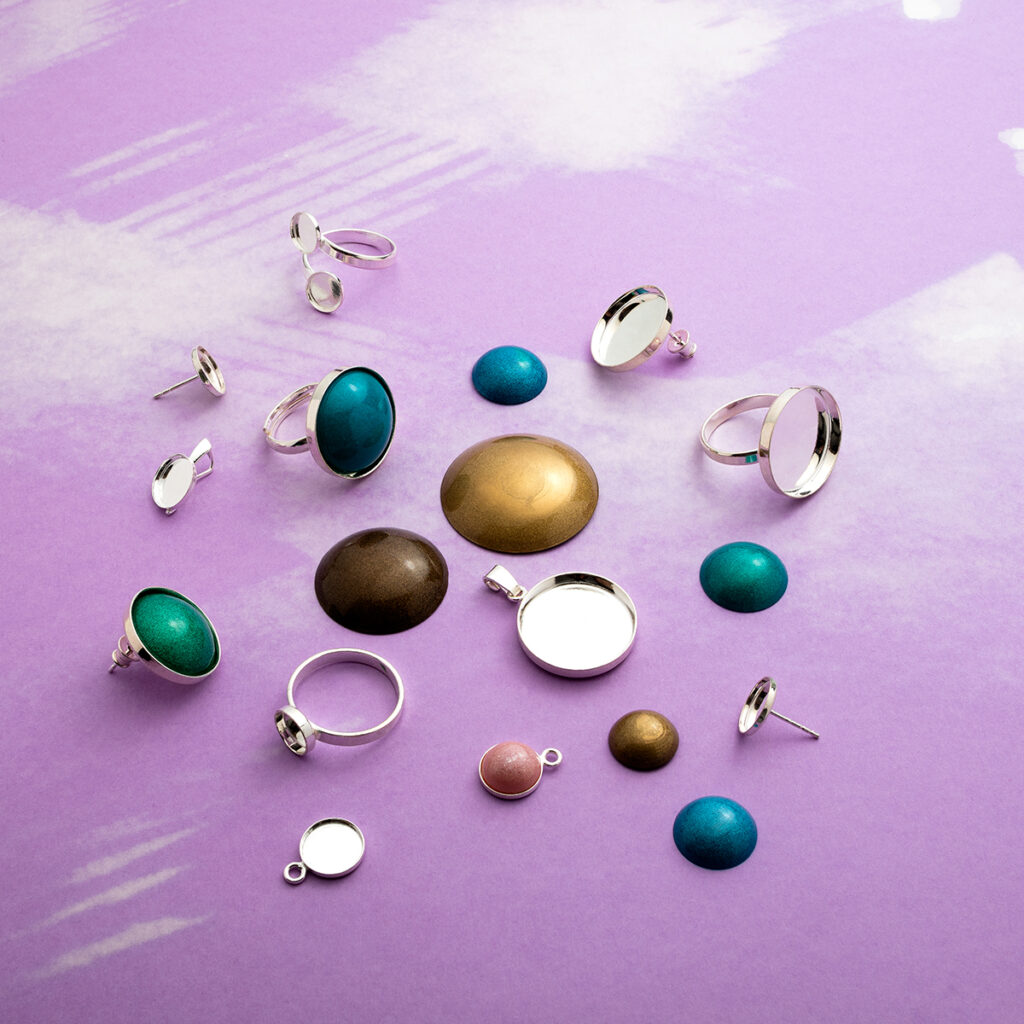
If you’re new to resin jewelry, a huge time-saver is using ready-made silver resin settings – you simply pour into them clear or tinted resin and let them cure. In the 925CRAFT store you’ll find:
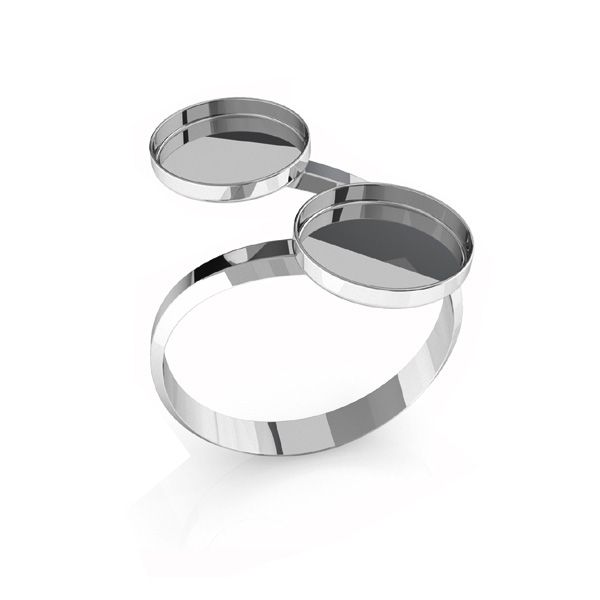
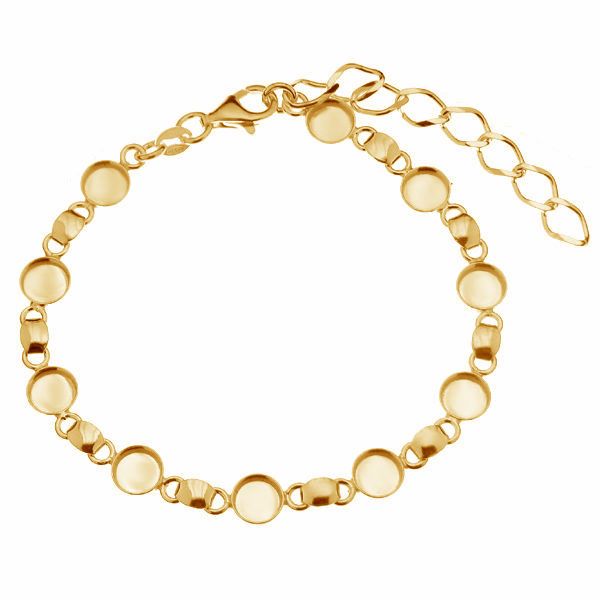
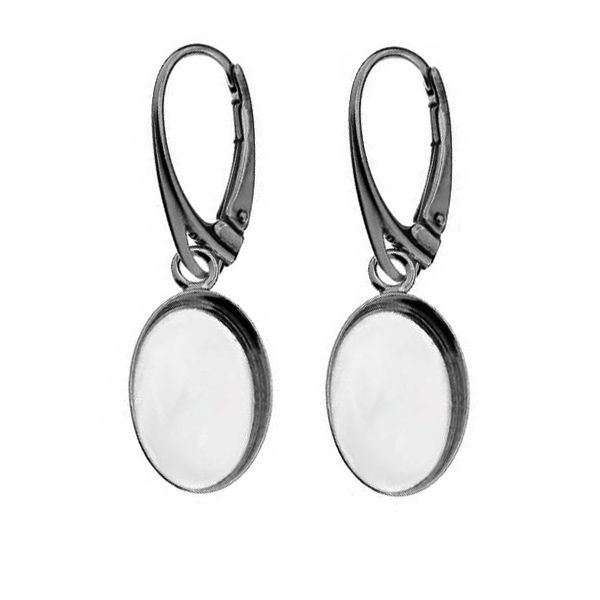
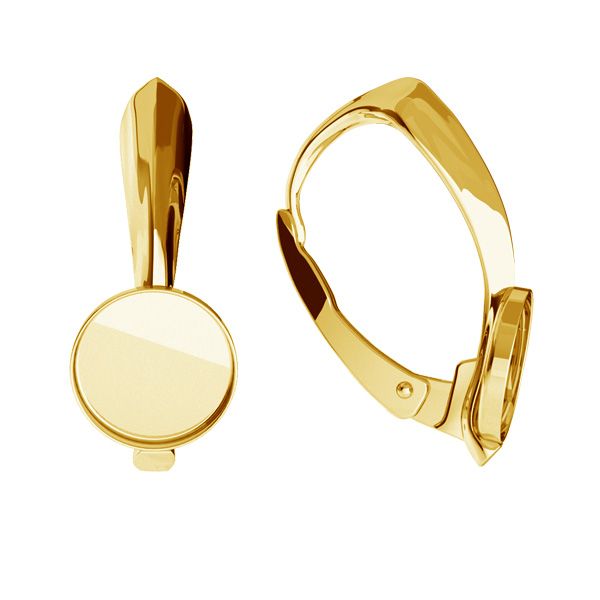
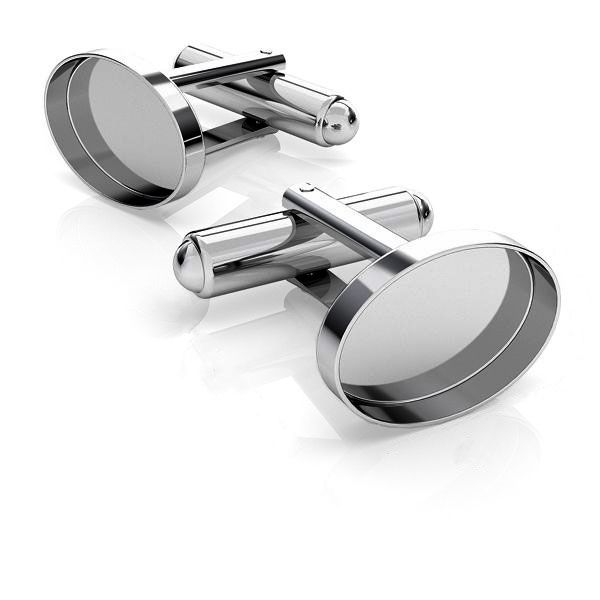
Resin-ready bases for earrings, rings, pendants, connectors, bracelets, necklaces and cufflinks -designed specifically for resin filling/pouring. We also offer two-part epoxy resin with hardener so you can create unique resin jewelry making supplies for jewelry.
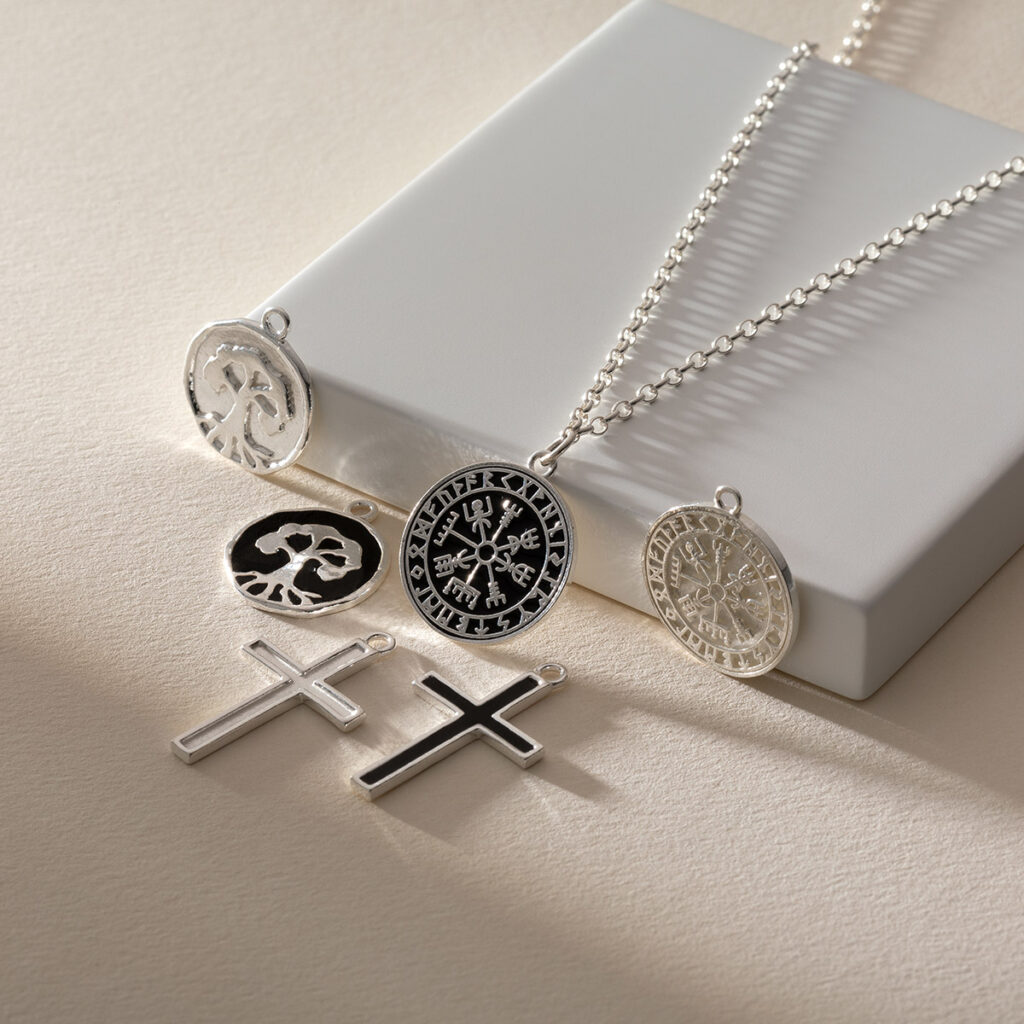
A wide selection of other sterling silver and gold jewelry components: chains, bails, ear wires, headpins, jump rings, wire, soldering supplies, beads, pearls, and crystals – everything you need for crafting distinctive jewelry pieces.
With these jewelry making supplies, you can focus on the creative side faster and test colors and effects without building metal settings from scratch.
If you want to learn even more and follow a step-by-step resin workflow, watch our YouTube training: “Epoxy Resin — How to Get Started?”

Want to know more?
- Find out: Jewellery supplies for jewellery production, what are they?
- Read the article: Sports jewelry – silver and gold findings for making jewelry for active people
- Get inspired: Swarovski FAQ – Part 2
- Check also: 925CRAFT – Polish manufacturer and jewelry findings wholesaler
- Discover: Cube beads with letters for jewellery making