
Do You want to find out more?
Read about HotFix, No HotFix and Swarovski Ceralun: Swarovski FAQ – Part 1
Find out about Swarovski history
Learn how to check If Swarovski Crystals are original
Swarovski FAQ – Part 1
October 15, 2020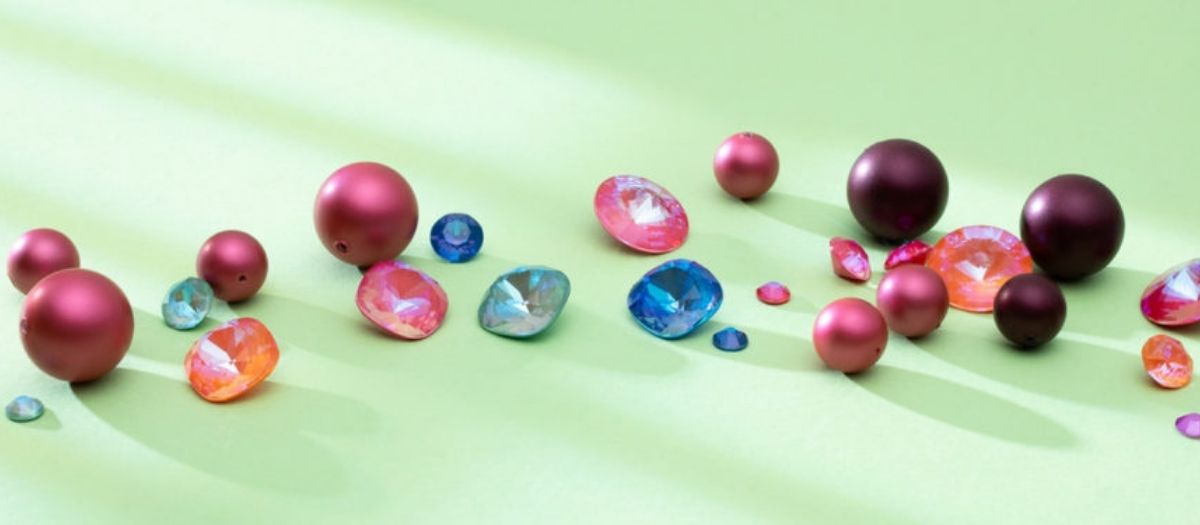
Swarovski FAQ — Part 3
November 9, 2020Swarovski FAQ – Part 1
October 15, 2020Swarovski FAQ — Part 3
November 9, 2020What are the most popular Swarovski Crystals?
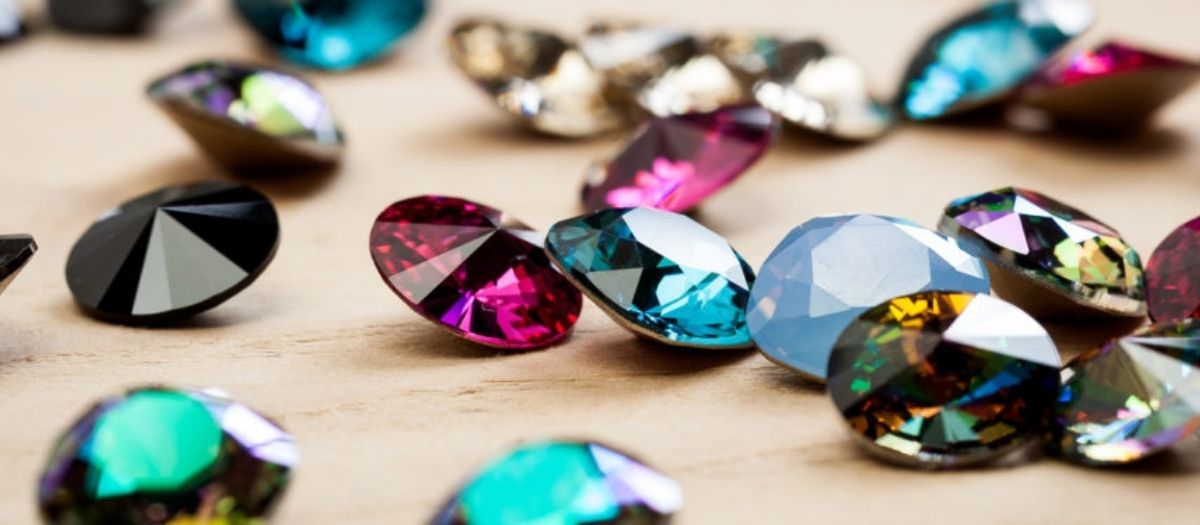
1. Round Stones, or chatons – round crystals with a pointed underside, considered to be the most innovative rhinestones on the market. Their one-of-a-kind, multi-faceted cut makes them exceptionally radiate and guarantee a unique glow. Round Stones crystals are appreciated by designers all over the world, thanks to which we can admire them on the catwalks, large film productions, as well as dance and music events, in the form of costumes, jewelry, accessories and even décor creations. Examples include some of the most famous international designers like Versace and Jean Paul Gaultier, who regularly used Swarovski crystals in their designs. Crystals are produced in many sizes and with a total of over 100 intensely vibrant colors and effects. The most popular of them is Xirius Chaton 1088 – considered to be the closest to a diamond, Xilion Channel 1128, Xero Chaton 1100 – considered the smallest crystal in the world, often used in tiny decorations on glasses, dials in watches and advertising projects like logos. Very popular are Rivoli 1122, Flat Chaton 1201 and Brilliant Cut 1357 are also very popular. Currently, some Swarovski crystals may not be available on the market, due to the recent transformation of the Swarovski brand business model. Referring to the above and realizing that many of our clients have been making jewelry collections based on silver settings dedicated to specific crystals for years, as an alternative we have introduced new stones to our offer. Swarovski Rivoli 12 mm crystals can be perfectly replaced with GAVBARI RIVOLI semi-precious stones, which have the same shape and are available in a wide range of colors. In our collection you will find a large selection of findings dedicated to these stones, thanks to which you will create phenomenal earrings, pendants, necklaces, rings, bracelets and cufflinks.
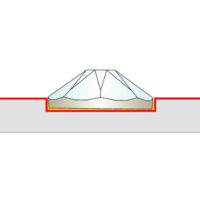
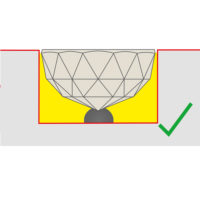
Application of Round Stones: gluing, stone setting and embedding in Ceralun.
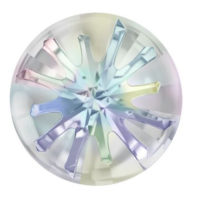
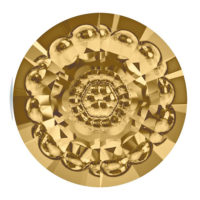
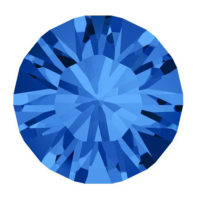
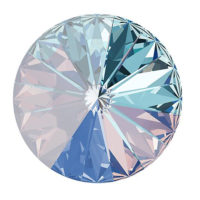
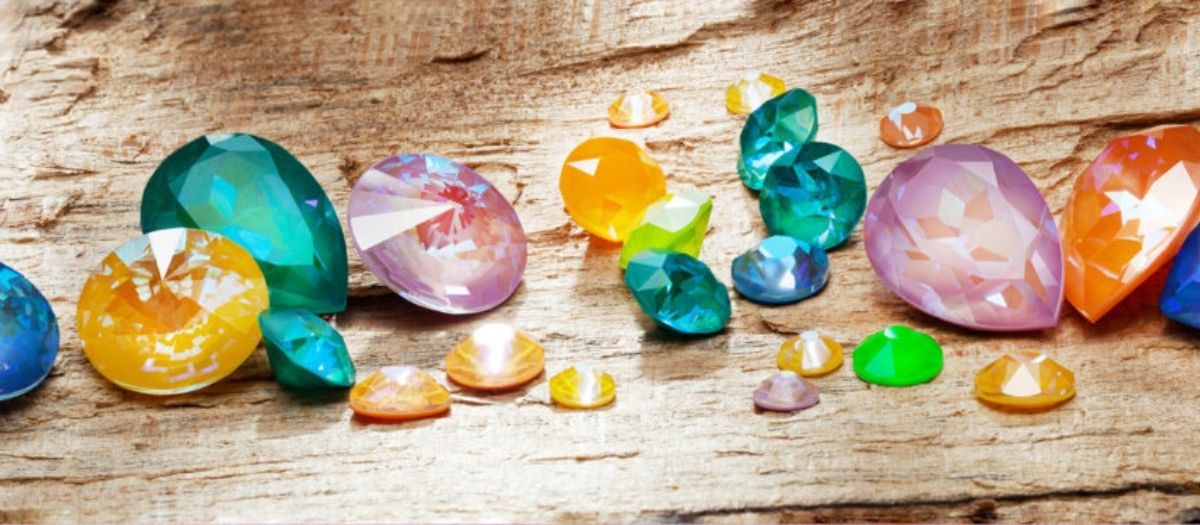
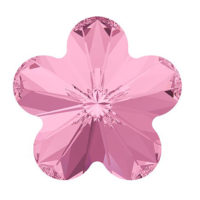
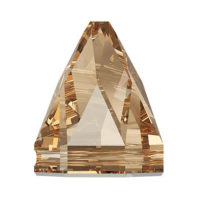
2. Fancy Stones come in a huge assortment of different shapes, sizes and colors, from classic cuts inspired by gemstones, geometric shapes, to cosmic symbols and other innovative cuts. The large range of Swarovski Fancy Stones offers over 70 models that guarantee endless design possibilities.
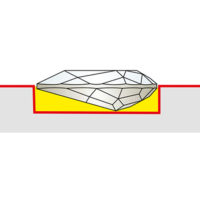
Application of Fancy Stones: gluing, stone settings and embedding in Swarovski Ceralun.
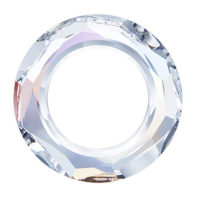
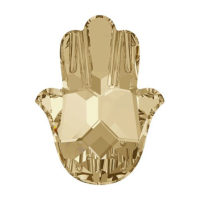
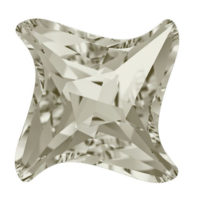
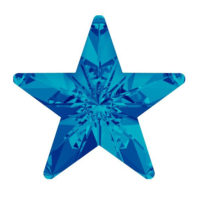
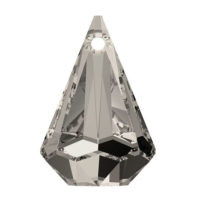
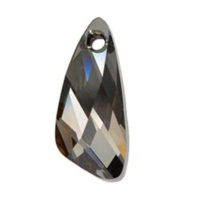
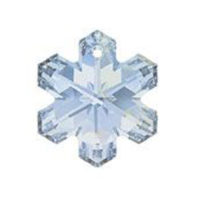
3. Pendants conceal timeless elegance and are available in a wide range of classic and avant-garde cuts and shapes, as well as in many colors with a variety of effects. Crystal pendants are available with eyelets or tunnels, and they are all characterized by rounded and smooth edges, thanks to which they guarantee thread protection. With a diversity of shapes and symbols such as the meteorite 6673, the infinity pendant 6792 and the shell pendant 6723, they offer a whole range of jewelry designs
in the form of spectacular earrings, elegant necklaces, eye-catching chokers and stylish bracelets, as well as accessories like bags, hats, garments and footwear.
Pendants application: sewing and hand application.
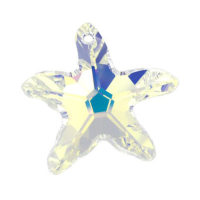
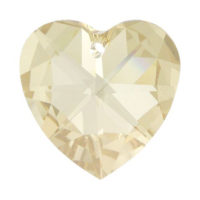
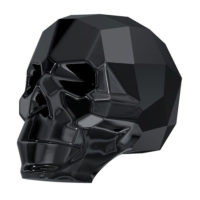
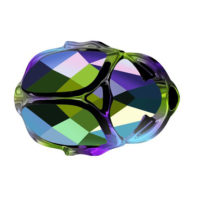
4. Swarovski Beads offer the highest standard available on the market. High-quality precision cutting and a transparent hole with rounded and smooth edges ensure high gloss and transparency, reduce the wear on thread and increase the durability of products. An impressive palette of colors, shapes, sizes, effects and styles offers endless combination possibilities. Regardless of whether you use threads, cords, ribbons, knitting needles or jewelry wires, whether you sew, crochet, weave or knit — beads will add enchanting charm to your creations. They are popular in beading and wire working. The wide range of beads in addition to the classic round, oval, square and oblong shapes, also includes more innovative shapes, like skull, scarabaeus, fish, butterfly or cross.
Application of beads: sewing and hand application.
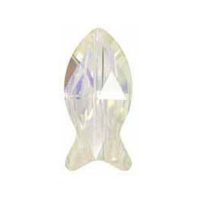
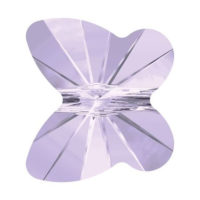
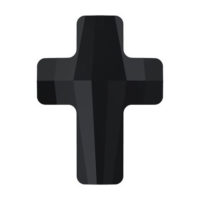
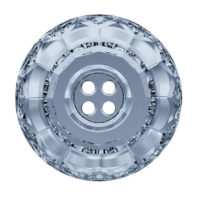
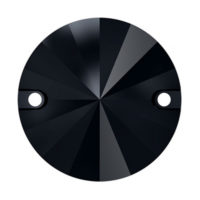
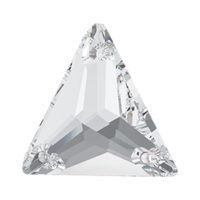
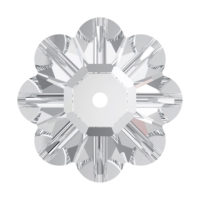
5. Swarovski sew-on crystals are captivating products in a large selection of shapes, sizes, hole options, cuts, colors and effects, designed to be applied manually or mechanically on any type of textiles or accessories. Smooth and rounded edges protect the thread against wear, so your creations will be solid and will last for many years. Apart from thread, you can also use jewelry wire and various types of tapes, ribbons and other strings. Aside from mechanical sewing you can apply them by using various techniques like hand sewing, knitting, weaving, crocheting, knotting, beading, threading or wire working. Choose from Swarovski crystal buttons with four holes 3008, classic round single hole buttons, Rivoli with two holes 3200 or triangles with three holes 3270. With Swarovski sew on crystals, you can add sparkling accents to jewelry and all kinds of textiles in the form of bags, hats, scarves, shoes, clothes and interior decorations, such as pillows or curtains. Sew on crystals are also very popular in wedding fashion, because their unique cut and exceptional refraction of light make the bride look even more beautiful and dreamlike on this big day. The tiny Swarovski crystals are also used to create sensational dance and sports costumes, used in such areas as: ballet, ballroom dancing, modern dances, ice-skating and acrobatics.
Sewing crystal application: mechanical sewing and hand sewing.
b) ColdFix crystals are an ideal solution for use with heat-sensitive (min. 140 °C) and pressure-sensitive materials, that are not suitable for HotFix applications. Examples of heat-sensitive materials are natural leather, artificial leather, silk and cashmere, example of pressure-sensitive material is wool, and examples of low-absorbency textiles include technical fabrics. Although ColdFix crystals have been developed as an alternative to difficult materials, it is worth bearing in mind, that they are not
a substitute for HotFix, as the bond strength achieved with HotFix is higher than with ColdFix. We therefore recommend the use of HotFix where possible;
c) HotFix Crystals: they are discussed in the article: Swarovski FAQ — Part 1.
Synthetic application: gluing (IT and ColdFix) and hotfix application (HotFix).
Self-adhesive crystals are ready-to-use, innovative elements. Their back side is covered with a pressure-sensitive glue, that allows quick and easy application.
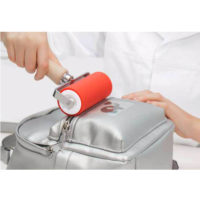
The crystals can be pressed by hand, with the use of a rubber roller, or with a thermal press.
They come in two forms:
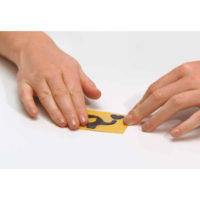
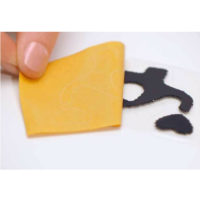
a) ColdFix is used on textiles sensitive to pressure and heat, such as: leather, wool, Lycra, polyester, technical materials and those, that are not suitable for the HotFix application. ColdFix motifs are delivered in the form of a sheet, so if necessary, cut them off with scissors, and then press the crystals against the transparent foil, in order to avoid their accidental displacement or detachment.
Depending on the material and area of application, there are 2 application methods:
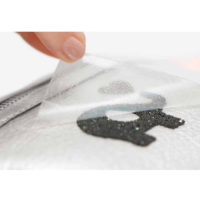
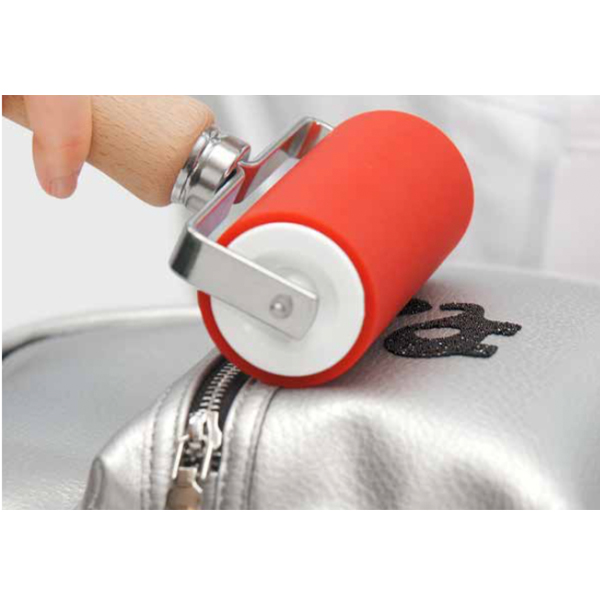
Coldfix Graphic Rocks Coldfix
b) Swarovski IT has been designed to be applied on solid surfaces such as paper, metal or glass, but before application, it is recommended to check the surface tension by performing a pen test, which was discussed in detail in part 1.
IT film consists of a flat bottom containing an adhesive, that is activated by pressure. Before application, make sure that the application area is not dirty or greasy and if it does, clean it with isopropyl alcohol. First, press the crystals against the transparent foil facing up, then peel off the white foil at an acute angle, and place the motif on the application site, pressing down firmly for about 10 seconds. Finally, at an acute angle, carefully remove the transparent foil and press the motif again with your fingers. The complete hardening time is 72 hours.
Crystal-it Infinity
Crystal Fabric-it
Crystaltex-it
Crystaltex Chaton-it
Crystal Rocks-it
Crystal Fine Rocks-it
Crystal Ultrafine Rocks-it
Both ColdFix and IT Crystals are offered in numerous shapes, sizes, heights and colors. Both options have a similar structure, the only difference is the type of glue used on the underside of the product. Before starting the application of self-adhesive crystals, it is recommended to perform tests, because sometimes some types of plastic admixtures are used during the processing of textiles, which may have a negative effect or even prevent the application. In both cases, the product should not be exposed to mechanical or chemical effects until full adhesive strength is achieved. The time of complete curing, depending on the application method, is 12 hours (manual application) or 72 hours (thermal application of ColdFix).
The most common causes of crystal detaching are:
To be continued …
Learn how to check If Swarovski Crystals are original