

TRAINING 28: WHEN TO USE PRESSURE METAL CASTING – AND WHEN TO CHOOSE OTHER JEWELLERY MAKING METHODS
INTRODUCTION TO JEWELLERY MAKING WORKSHOP
Contents
- 1. INTRODUCTION TO JEWELLERY MAKING WORKSHOP
- 2. MODULE 1: HOW PRESSURE CASTING WORKS – AND WHERE IT MAKES SENSE
- 3. MODULE 2: LOST-WAX CASTING – FLEXIBILITY OF TRADITIONAL JEWELLERY TECHNIQUES
- 4. MODULE 3: HAND FORMING & CHASING – THE UNIQUENESS OF HANDMADE JEWELLERY MAKING
- 5. MODULE 4: HOW TO CHOOSE A JEWELRY TECHNIQUE — TECHNICAL AND ECONOMIC CRITERIA
- 6. MODULE 5: PRACTICAL TIPS AND CASE STUDIES
- 7. TRAINING FOR BEGINNER JEWELLERS SUMMARY
- 8. Want to know more?
- 9. Stay up to date
Choosing the right jewellery manufacturing process affects your cost structure, precision, and the perceived uniqueness of your jewellery. Understanding the difference between pressure lost wax casting process casting and traditional jewelry techniques helps you plan production intelligently – from prototype to full-scale runs.
Training goals
Learn how pressure casting of silver and gold alloys works.
Understand the strengths and limits of lost-wax casting process (investment casting) and hand-forming methods.
Master the criteria for choosing a jewellery production technique based on batch size, detail level, and budget.
Learn how to evaluate ROI and implementation time for each process.
This online jewelry training includes 5 modules.
MODULE 1: HOW PRESSURE CASTING WORKS – AND WHERE IT MAKES SENSE
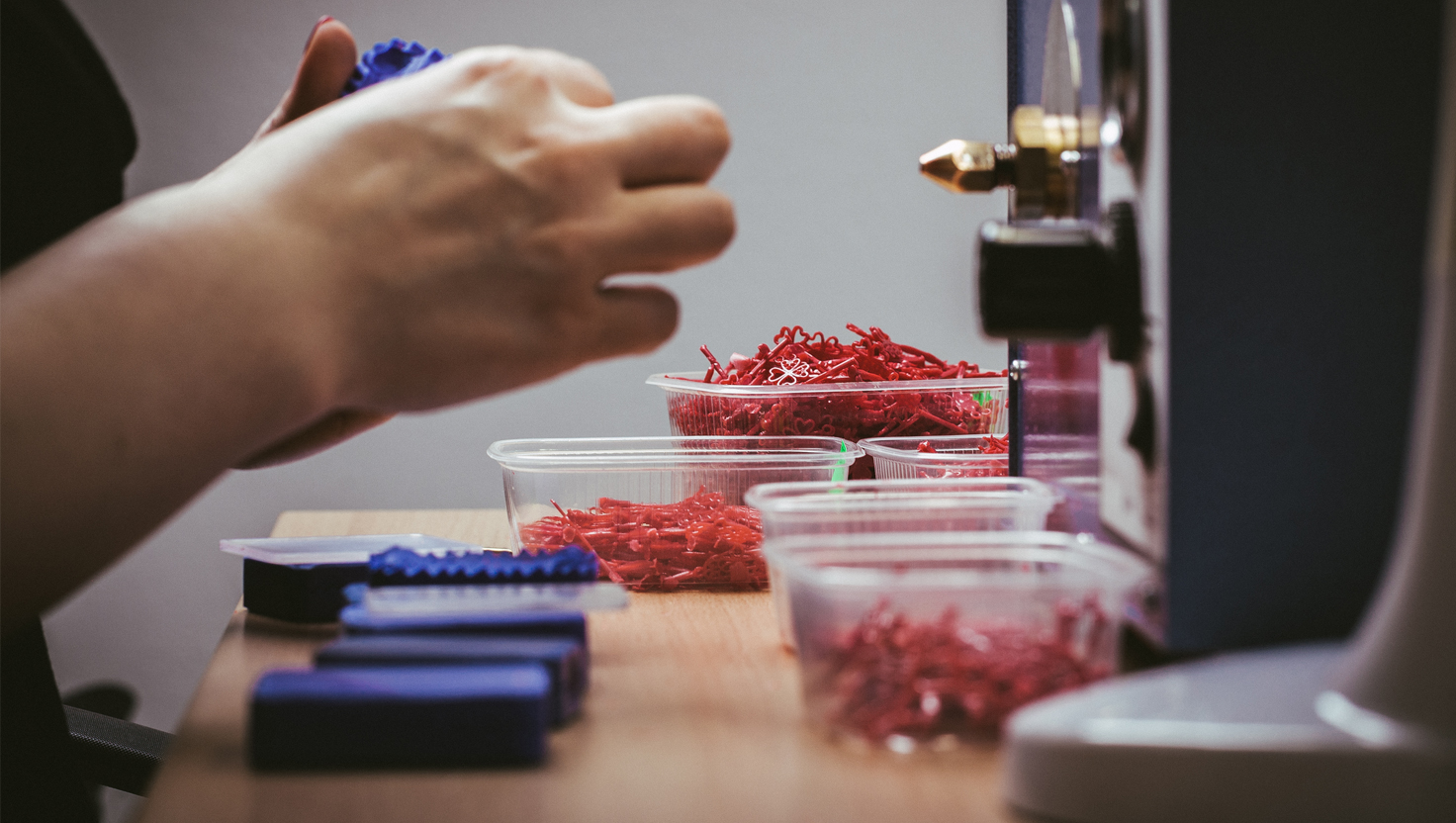
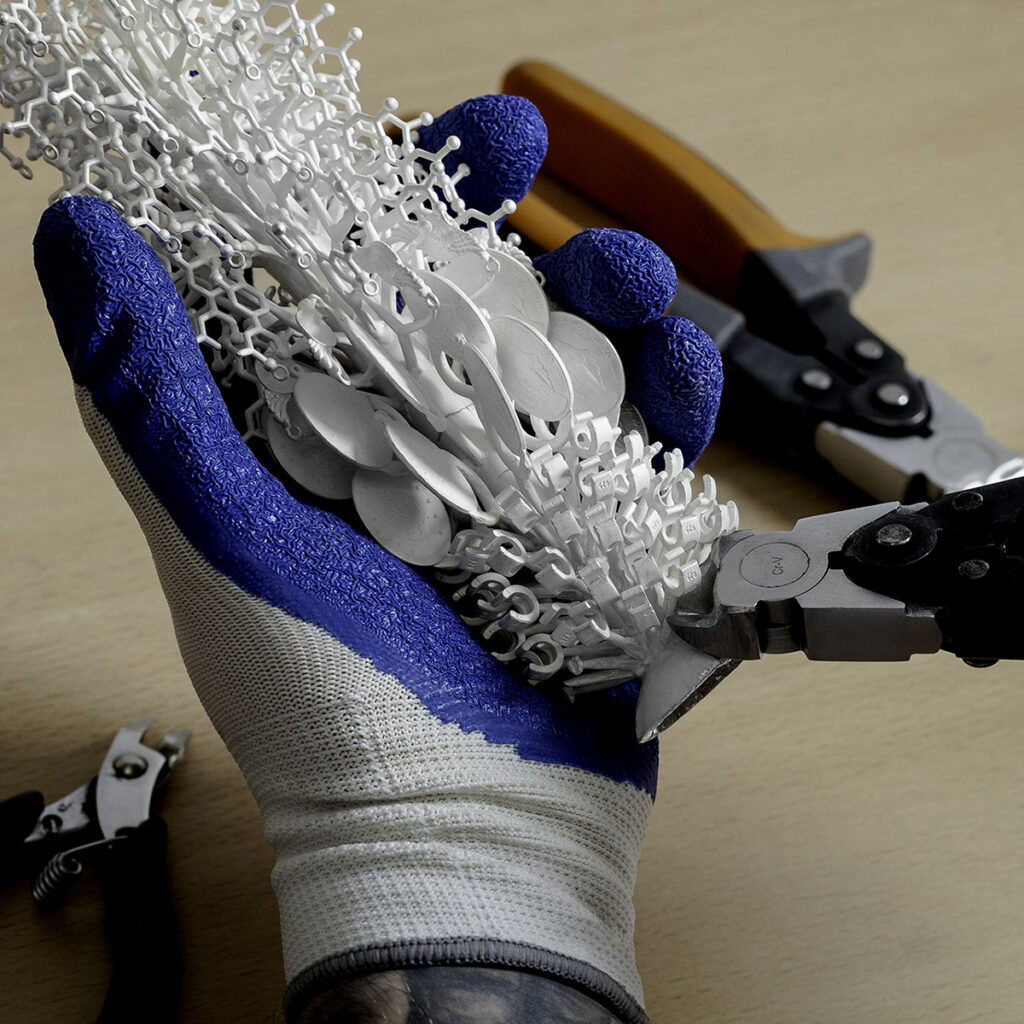
Injection of molten alloy under 50–150 bar into a precision steel mold (die).
Minimal material allowance, excellent repeatability, consistent geometry.
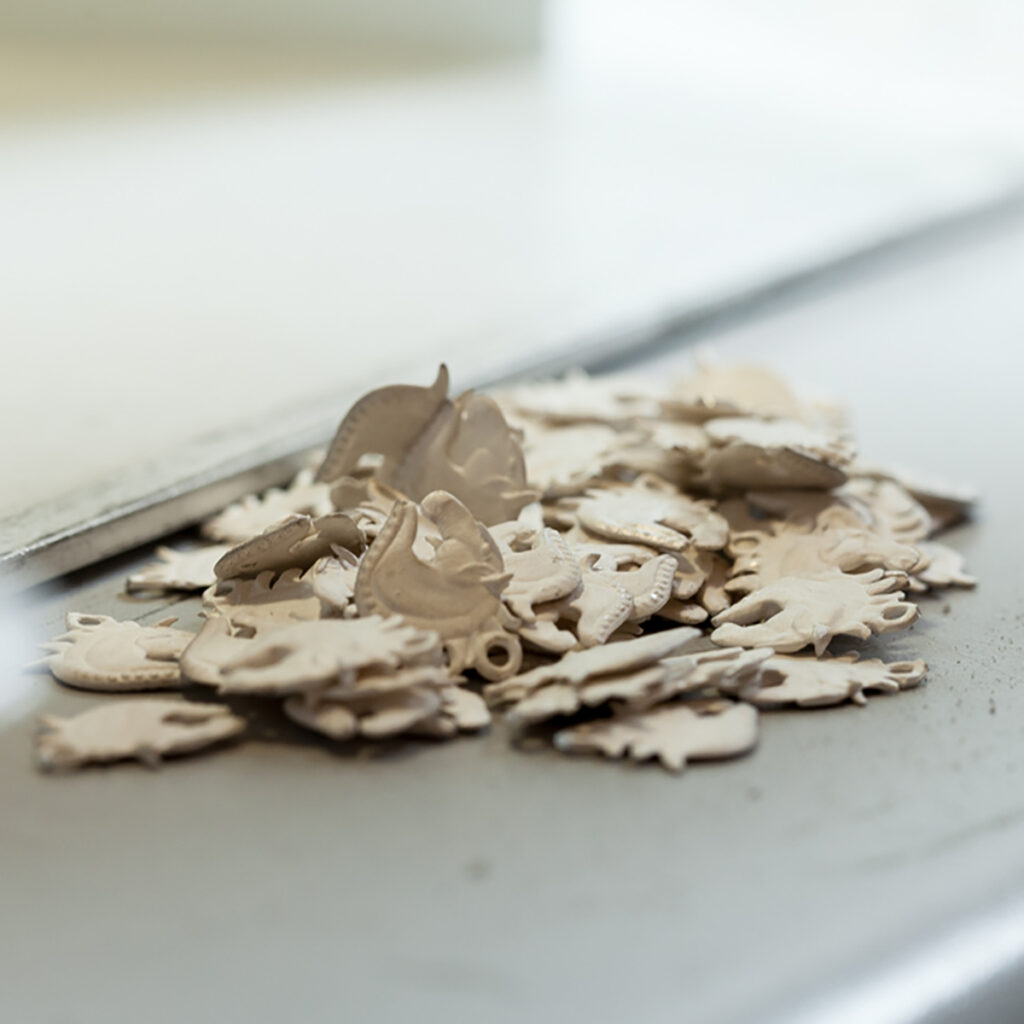
Ideal for serial jewelry manufacturing: stud earrings, modular bases, small connectors, 3D charms.
Key takeaway:
Pressure lost wax casting technique is the right choice when you need hundreds of identical parts, thin walls, material efficiency, and a low unit cost at scale.
MODULE 2: LOST-WAX CASTING – FLEXIBILITY OF TRADITIONAL JEWELLERY TECHNIQUES
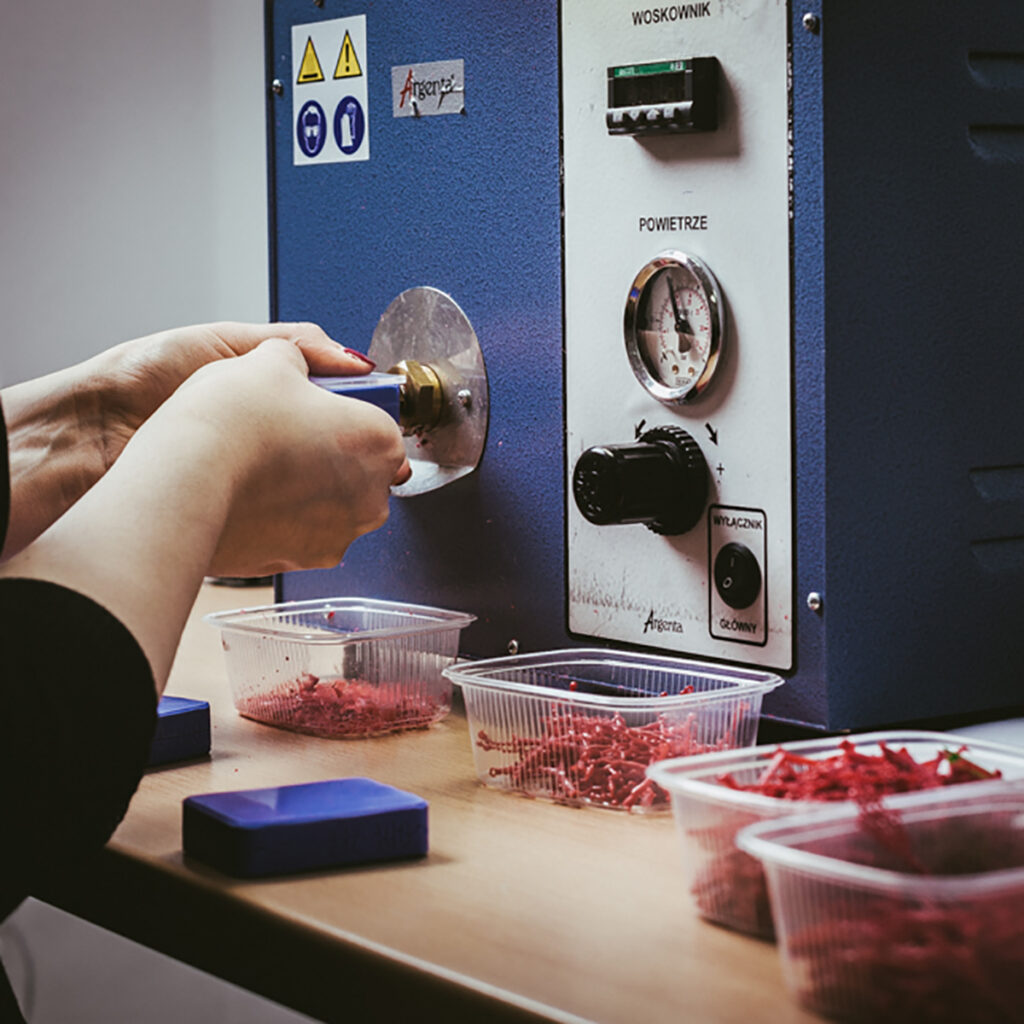
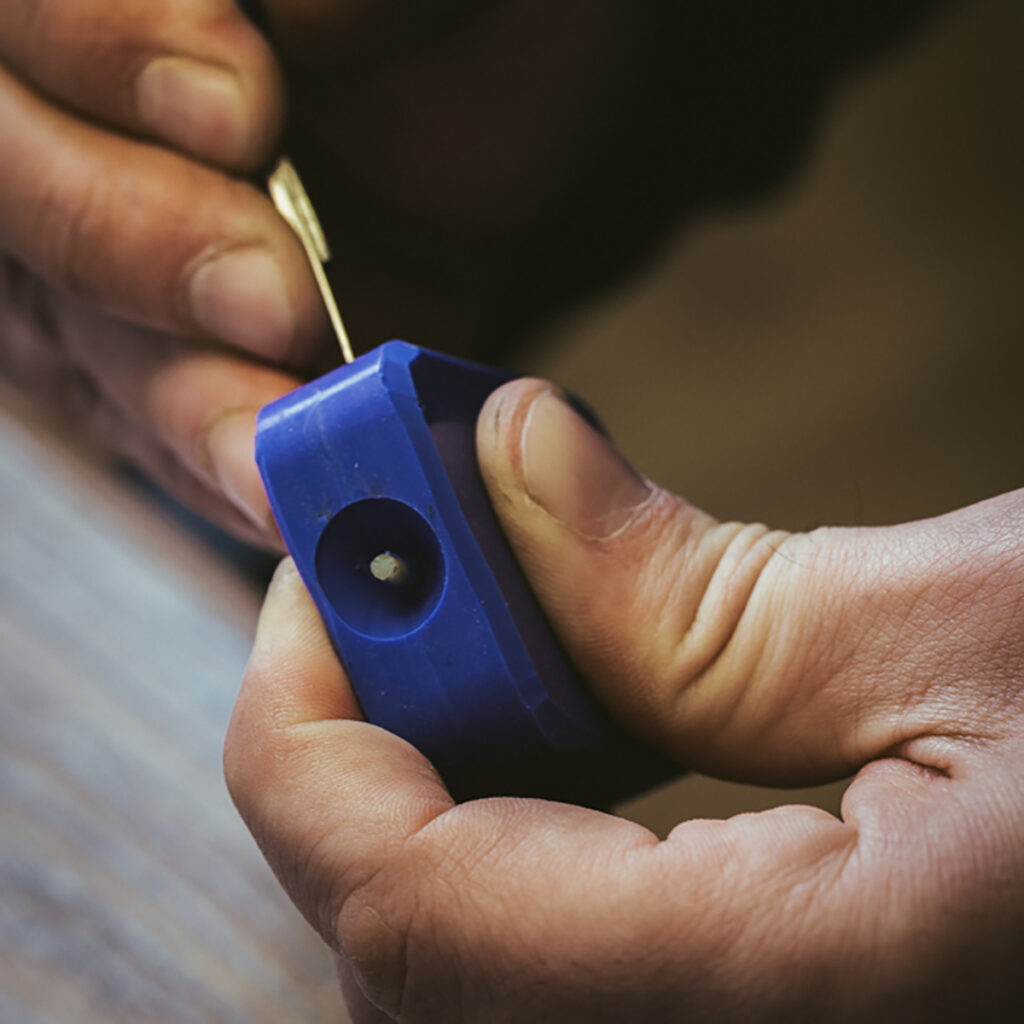
Wax models can be made by hand or with 3D printing.
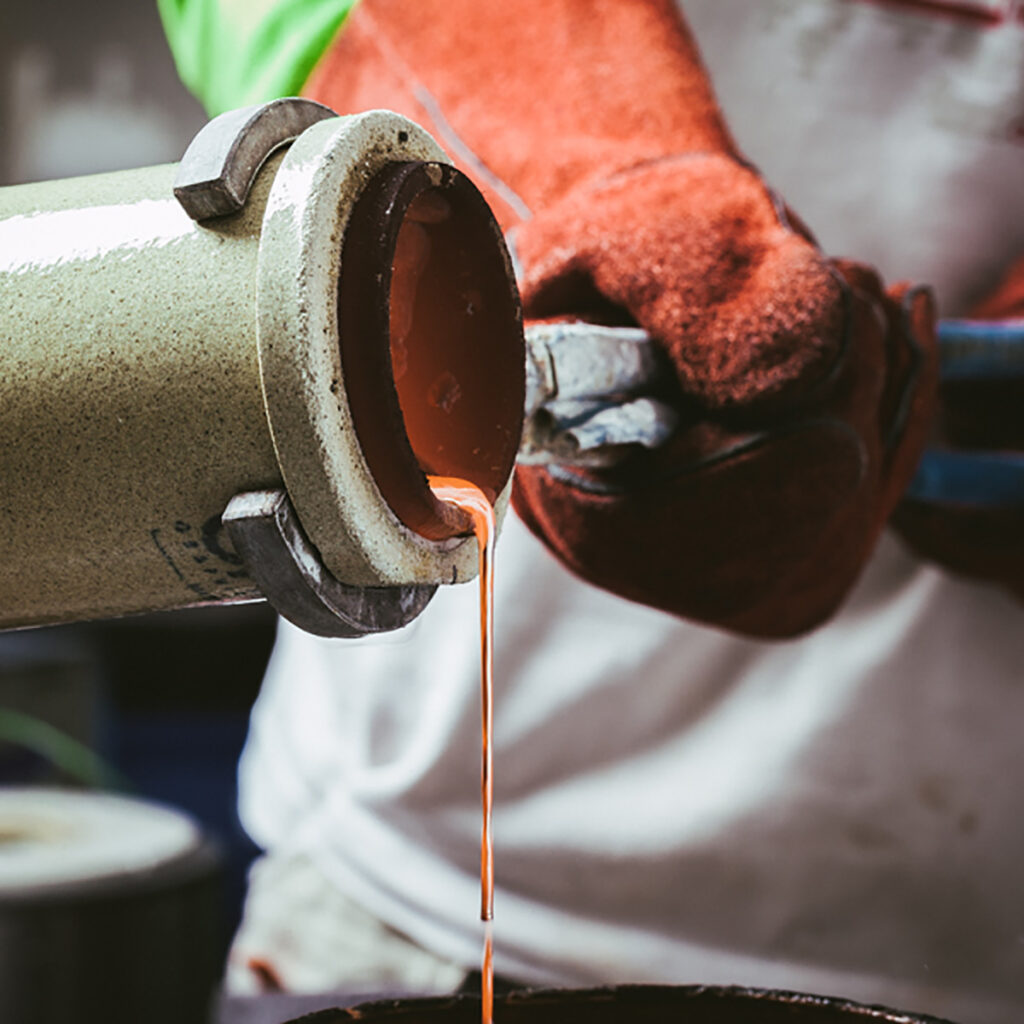
Vacuum or centrifugal casting allows complex shapes and undercuts.
Easy “last-minute” design changes – plaster/investment moulds are relatively inexpensive.
Key takeaway:
Lost wax casting process is best for short runs, prototypes, and artistic designs where shape freedom matters.
MODULE 3: HAND FORMING & CHASING – THE UNIQUENESS OF HANDMADE JEWELLERY MAKING
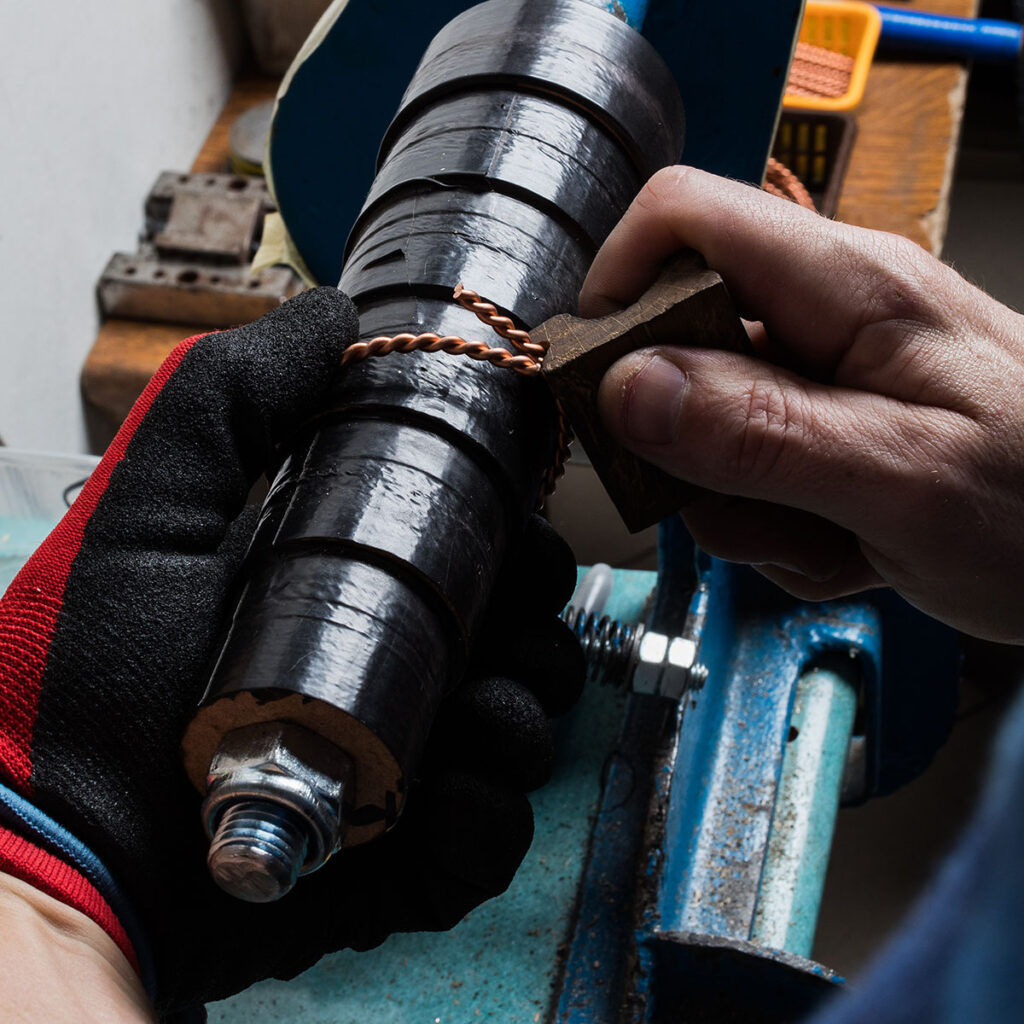
Joining, soldering, repoussé, chasing, and hand-forming: every piece carries the mark of human work.
Many jewellers offer personalized jewelry (engraving, texture changes, gemstone setting, gold or platinum plating).
Higher labor time cost, but higher perceived value and premium positioning.
Ongoing growth of artistic and technical skill.
Key takeaway:
Handmade jewelry techniques add character, support limited premium collections, and often fit custom, client-specific projects.
MODULE 4: HOW TO CHOOSE A JEWELRY TECHNIQUE — TECHNICAL AND ECONOMIC CRITERIA
Criterion | Pressure casting | Traditional techniques |
|---|---|---|
Batch size | > 500 pcs | 1–500 pcs |
Mould cost | High (steel) | Low (plaster/investment) |
Unit cost | Low at scale | Higher, more constant |
Detail / undercuts | Limited | Highly complex |
Lead time | 3–4 weeks | 1–3 days |
Minimum wall thickness | ~0.3 mm | ~0.5 mm+ |
Key takeaway:
Base your decision on quantity, design complexity, and acceptable time-to-market.
MODULE 5: PRACTICAL TIPS AND CASE STUDIES
Small handmade brand: 20 unique rings → choose lost wax + hand finishing.
Fashion start-up: 5,000 identical pendants for necklaces → invest in pressure casting.
Premium collection: silver bangle bracelet with unique relief → combine wax pieces + chasing.
Key takeaway:
Combine methods: pressure lost wax casting gives you a consistent base, while hand finishing or chasing adds uniqueness and increases perceived value.
TRAINING FOR BEGINNER JEWELLERS SUMMARY
Choosing between pressure casting and traditional jewellery-making methods is the key to optimizing cost, lead time, and quality. Now you know how to apply new skills and techniques in practice and build jewellery aligned with both market needs and your artistic vision.
And remember: 925CRAFT, as a manufacturer of sterling silver and gold jewellery making components, also offers a wide range of jewellery services – including custom jewelry production based on the customer’s idea.
Want to know more?
- Find out: Gold findings for jewelry
- Read the article: Wholesaler of natural stones for making jewelry – 925CRAFT
- Get inspired: Popular jewelry motifs – part 2
- Check also: Bracelets blanks for women’s favourite piece of jewelry
- Discover: Making jewelry with crystals – a guide for jewelry makers